Cannabis continues to reshape consumer markets, medicine cabinets, and legal debates.
As products diversify and public interest stays high, knowing how to choose, use, and store cannabis safely is essential whether you’re exploring it for wellness, recreation, or symptom relief.
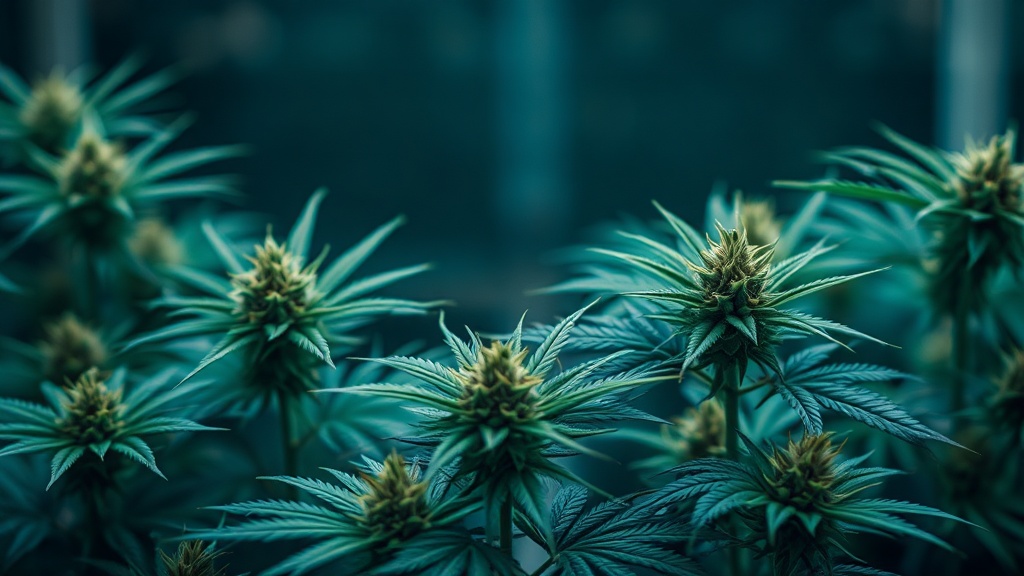
Understanding the basics
Cannabis contains dozens of cannabinoids, with THC and CBD being the most familiar. THC produces psychoactive effects, while CBD is non-intoxicating and often used for anxiety and pain management. Hemp and marijuana are the same species botanically but differ in cannabinoid profiles and legal treatment—hemp is typically regulated for low THC content and often used for CBD extraction.
Products and how they differ
– Flower: Dried cannabis buds remain a popular delivery method for immediate effects. Terpene profiles influence aroma and subjective effects.
– Concentrates: Oils, waxes, and dabs offer high potency and fast onset. They require caution due to elevated THC levels.
– Edibles: Ingested products can produce strong, long-lasting effects with delayed onset. Precise dosing is crucial.
– Tinctures and sublinguals: Liquid extracts that allow for more controlled dosing and quicker onset than edibles.
– Topicals: Lotions and balms that target localized discomfort without systemic intoxication.
Dosing and safety tips
Start low and go slow. For edibles, begin with a small dose (for many people, 2.5–5 mg THC is a common starting point) and wait at least two hours before increasing. For inhalation or sublingual use, effects appear sooner, so allow adequate time to assess impact.
Avoid mixing cannabis with alcohol or sedatives and never drive while impaired. Keep products securely stored away from children and pets.
Lab testing and labeling
Reliable products come with a certificate of analysis (COA) from an independent lab.
COAs verify cannabinoid potency, detect pesticides, residual solvents, and microbial contamination. Look for clear labeling that lists THC and CBD content per serving, batch number, extraction method, and recommended dosing.
Terms like “full-spectrum,” “broad-spectrum,” and “isolate” describe whether products contain multiple cannabinoids and terpenes or only isolated CBD.
Health considerations and interactions
Cannabis can help with pain, nausea, and sleep for some people, but responses vary widely. There are potential risks: high-potency THC can worsen anxiety or precipitate psychosis in susceptible individuals, and use during pregnancy or breastfeeding is discouraged.
Cannabis can interact with commonly prescribed medications—particularly those metabolized by liver enzymes—so consult a healthcare provider before combining therapies.
Legal and workplace realities
Legal status and workplace policies vary across jurisdictions. Even where cannabis is legal recreationally or medically, employers may maintain strict drug-testing rules.
Understand local laws and company policies before using cannabis, especially if your job involves safety-sensitive tasks.
Choosing quality and responsible use
Buy from reputable retailers that provide COAs and transparent sourcing. Favor products made with clean extraction methods and clear ingredient lists. For symptom management, discuss dosing and drug interactions with a healthcare professional experienced in cannabinoid therapy.
When exploring cannabis, prioritize safety, informed choices, and reputable sourcing. Thoughtful use and attention to labeling and testing help ensure better outcomes whether you’re seeking relief, relaxation, or simply education.