CBD oil continues to attract attention for its potential to support wellness routines, but navigating products and claims requires practical knowledge. This guide covers what to look for, how it’s used, and safety considerations so you can make informed choices.
What CBD oil is and how it works
CBD (cannabidiol) is a non-intoxicating compound found in hemp.
It interacts indirectly with the body’s endocannabinoid system and other signaling pathways, which may influence sleep, stress response, pain perception, and inflammation. Research suggests potential benefits, but effects vary by individual and condition.
Types of CBD products
– Full-spectrum: Contains CBD plus other cannabinoids, terpenes, and trace THC. The combined components can create an “entourage effect” that some users prefer.
– Broad-spectrum: Includes multiple cannabinoids and terpenes but is processed to remove THC.
– CBD isolate: Pure CBD without other cannabinoids or terpenes, useful for those who want only CBD.
Extraction and quality
CO2 extraction is widely regarded as a high-quality method because it preserves cannabinoids and terpenes without leaving solvent residues. Ethanol extraction is common and can also produce clean extracts when done properly.
Look for these quality indicators:
– Third-party lab reports (Certificates of Analysis) verifying cannabinoid content and contaminant tests (pesticides, heavy metals, residual solvents, microbial).
– Clear labeling of CBD per serving and total milligrams per bottle.
– Source of hemp (organic or sustainably grown is preferable).
Choosing a product
Consider these factors:
– Purpose and potency: Tinctures and oils provide consistent dosing. Start with lower concentrations if you’re new.
– Delivery method: Sublingual tinctures absorb faster than capsules; edibles offer convenience but lower bioavailability; vaping is fast-acting but carries respiratory risks; topicals are best for localized relief.
– Transparency: Brands that publish COAs and ingredient sourcing earn higher trust.
Dosing basics
Begin with a low dose and titrate gradually. A common approach is to start with a small daily amount, observe effects for several days, then increase slowly until reaching the desired response. Typical daily ranges vary widely across users; what works depends on body chemistry, weight, and symptom severity. Always follow product instructions and consult a healthcare professional when unsure.
Safety and drug interactions
CBD is generally well tolerated, but possible side effects include drowsiness, dry mouth, gastrointestinal upset, and appetite changes. CBD can interact with medications metabolized by the liver’s CYP450 enzyme system—this includes certain blood thinners, anti-epileptic drugs, and some antidepressants. Consult a clinician before combining CBD with prescription medications, especially if you take blood thinners or have liver concerns.
Practical tips for buyers
– Check COAs for potency and contaminants.
– Prefer products from reputable companies with transparent sourcing.
– Choose full- or broad-spectrum according to your comfort with trace THC.
– Store oil in a cool, dark place to preserve potency.
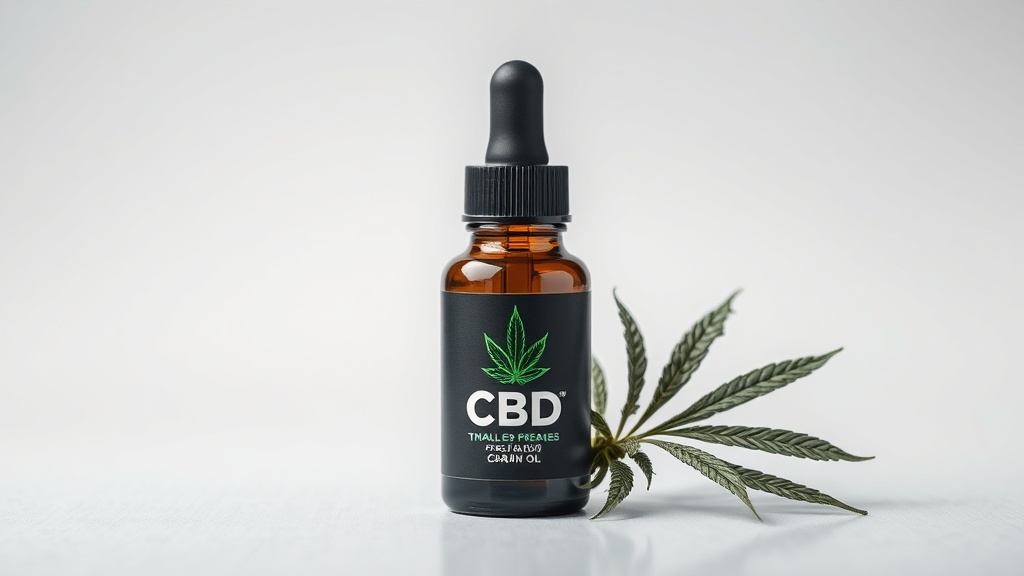
– Start low, track effects, and adjust slowly.
Legality and regulation
Legal status varies by jurisdiction. Many areas permit hemp-derived CBD with trace THC limits, while rules differ for products containing higher THC. Check local regulations before purchasing.
Start smart: prioritize quality, verify third-party testing, use conservative dosing, and consult a healthcare professional when taking other medications.
Careful selection and responsible use help maximize potential benefits while minimizing risks.