Microdosing Cannabis: How to Find the Right Low Dose for Focus, Mood, and Pain
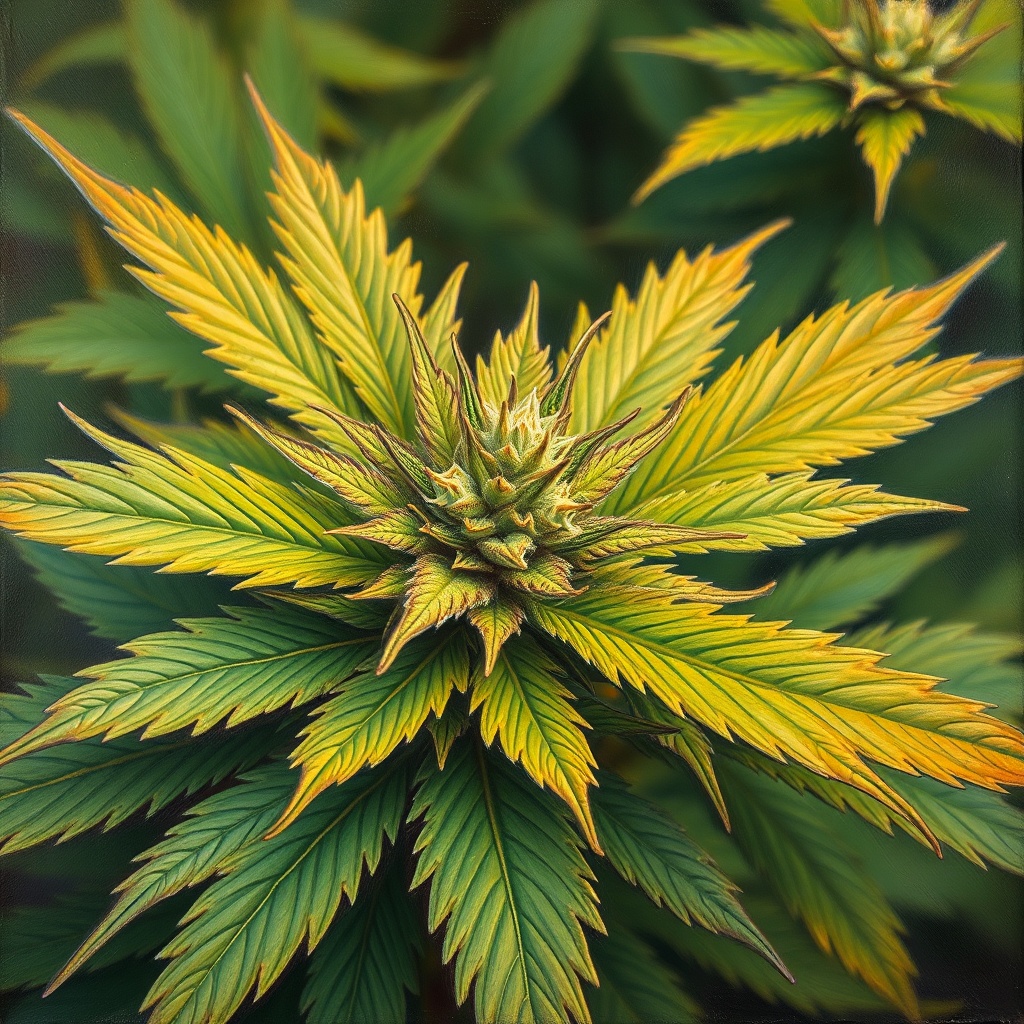
Microdosing cannabis is a practical approach that many people use to gain benefits like reduced anxiety, improved focus, or mild pain relief without the strong intoxication that higher doses of THC can cause. As access to regulated cannabis increases and more people look for functional, day-friendly options, microdosing has become a go-to strategy for both new and experienced users.
What microdosing means
Microdosing typically refers to taking a very small, controlled amount of cannabis—most often a low THC dose—repeated throughout the day or as needed. Typical microdoses range between about 1 mg and 2.5 mg of THC per serving, though individual sensitivity varies. Combining a low THC amount with CBD can blunt intoxication for some people and modify the overall effects.
Choosing the right product and route
– Tinctures and sublinguals: These give precise, easily measured doses and onset is relatively quick. Look for products with labeled milligram amounts per dropper or per pump.
– Vaporized flower or cartridges: Inhalation provides fast feedback, which is useful when testing a microdose, but dosing can be harder to quantify unless the device provides dose control.
– Low-dose edibles: Convenient and discreet, but onset is slower and effects last longer.
Start lower than you think you need because edible THC converts in the liver and can be more potent over time.
How to start: an easy protocol
– Start low: pick a conservative starting dose (for many people, around 1 mg THC).
– Go slow: wait long enough to evaluate effects before redosing—about 30–90 minutes for tinctures and up to a few hours for edibles.
– Track and adjust: keep a short journal to note dose, route, time, and effects on mood, concentration, and any side effects. Increase gradually by small increments only after you’re comfortable with the current dose.
Safety tips and considerations
– Avoid driving or operating heavy machinery while under the influence. Even low doses can impair reaction time in some individuals.
– Check interactions: cannabis can interact with prescription medications, especially blood thinners and drugs metabolized by the liver’s CYP system.
Discuss use with a healthcare provider if you’re taking other medications.
– Not for everyone: avoid cannabis if pregnant or breastfeeding, or if you have a personal or family history of psychosis. Those with cardiovascular conditions should consult a clinician first.
– Use tested, licensed products: lab-tested items reduce risks of contaminants and provide reliable potency information.
Keep products locked away from children and pets.
Benefits people report
Microdosers often say they experience subtle improvements in creativity, reduced social anxiety, better sleep onset without grogginess, and mild pain relief that lets them remain productive. Because effects are modest, microdosing can be integrated into daily routines without disrupting responsibilities.
Final notes
Microdosing is about experimentation, control, and modesty. With careful product selection, conservative dosing, and attention to safety and local laws, many people find it a useful way to enjoy therapeutic effects while minimizing intoxication and side effects.