Cannabis is experiencing broad public interest for reasons that span health, lifestyle, and legal change. Whether you’re curious about cannabinoids, shopping at a dispensary, or exploring new consumption methods, understanding the basics helps you make safer, smarter choices.
CBD vs THC: What to know
CBD (cannabidiol) and THC (tetrahydrocannabinol) are the most widely discussed cannabinoids.
THC produces psychoactive effects that alter perception and mood. CBD does not cause intoxication and is often sought for its reported calming and anti-inflammatory properties.
Many products combine both, and ratios can significantly influence effects. Look for clear labeling and third-party lab test results—commonly called Certificates of Analysis (COAs)—to verify potency and absence of contaminants.
Consumption methods and onset
Different delivery methods change how quickly effects appear and how long they last:
– Inhalation (smoking or vaping): Fast onset within minutes, effects peak quickly and wear off sooner. Best for titrating dose but carries respiratory risks if smoked.
– Edibles: Slower onset—often an hour or more—because THC is metabolized in the liver, which can produce stronger, longer-lasting effects.
Start with a low dose and wait several hours before redosing.
– Tinctures and sublinguals: Placed under the tongue for faster absorption than edibles but slower than inhalation.
– Topicals: Applied to skin for localized relief; typically do not produce systemic intoxication.
Dosing and safety
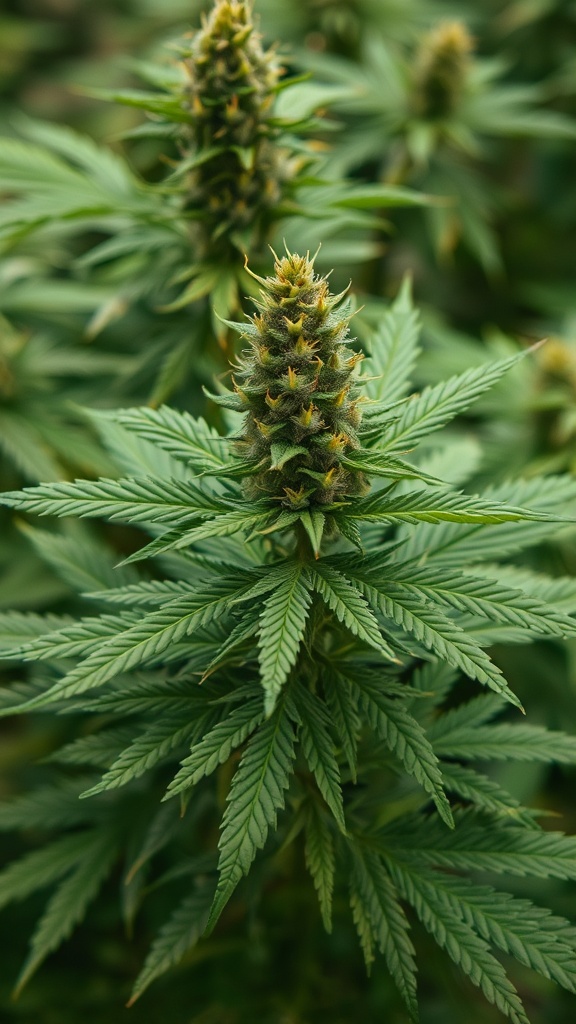
A “start low, go slow” approach reduces the risk of unpleasant experiences. Microdosing—taking very small amounts to achieve subtle benefits without strong intoxication—is popular among consumers seeking functional effects like increased focus or mild pain relief. Avoid mixing cannabis with alcohol or sedatives.
Never operate vehicles or heavy machinery while impaired.
Terpenes and strain profiles
Terpenes are aromatic compounds that contribute to a product’s smell and may modulate effects. Common terpenes include myrcene (earthy, relaxing), limonene (citrusy, uplifting), and linalool (floral, calming). Rather than relying solely on strain names, check product terpene profiles and cannabinoid ratios to better predict effects.
Buying tips
– Check for lab testing (COAs) to confirm cannabinoid content and screen for pesticides, heavy metals, and solvents.
– Buy from licensed dispensaries where regulations require accurate labeling and safety testing.
– Ask budtenders about consumption methods, dosing guidance, and product origins.
– Store products in a cool, dark place in airtight containers to preserve potency and prevent mold.
Legal and workplace considerations
Laws vary by jurisdiction, so verify local regulations before purchasing or possessing cannabis. Employment policies may still restrict cannabis use regardless of local legality—review workplace drug policies carefully.
Health considerations
Cannabis may provide symptom relief for some conditions, but it is not a one-size-fits-all remedy. People with a history of psychosis, certain heart conditions, or who are pregnant or breastfeeding should avoid use or consult a healthcare professional. Keep medical conversations open with clinicians, especially about possible interactions with other medications.
Stay informed
The cannabis landscape is evolving quickly, with new products, delivery systems, and research emerging regularly. Prioritize safety by choosing tested products, using conservative dosing, and staying up to date on local laws and health guidance.