What is CBD oil and why people are talking about it
CBD oil is a botanical extract derived from hemp plants that contains cannabidiol (CBD), a non-intoxicating compound distinct from THC. People use CBD oil for a range of wellness goals—from easing occasional stress and supporting sleep to managing localized discomfort with topicals. Interest in CBD remains strong because it offers potential benefits without the psychoactive effects associated with cannabis.
Types and how they differ
– Full-spectrum: contains CBD plus other cannabinoids, terpenes and trace THC within legal limits; often favored for the “entourage effect.”
– Broad-spectrum: contains multiple cannabinoids and terpenes but no detectable THC.
– Isolate: pure CBD, no other cannabinoids or terpenes.
Choosing between these depends on tolerance for trace THC, desired effects, and drug-testing concerns.
Extraction methods and product quality
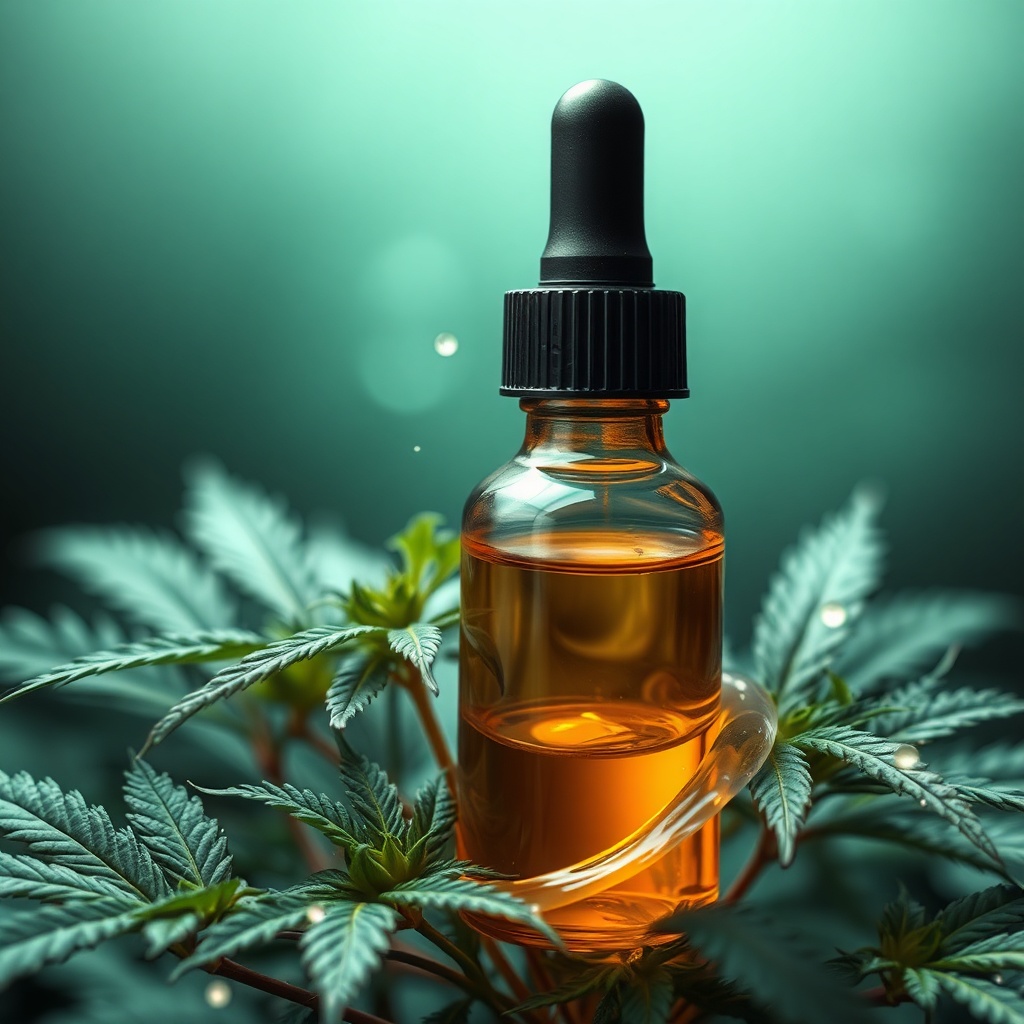
High-quality CBD oil is typically extracted with supercritical CO2 or clean ethanol methods, which preserve cannabinoids while minimizing contaminants.
Avoid products using unknown solvents. Look for organic hemp sourcing and transparent farming practices—these reduce pesticide and heavy-metal risks.
How to read labels and certificates
Smart buyers check the product label and the third-party Certificate of Analysis (COA). Key items to verify:
– Total mg of CBD per bottle and mg per serving
– Type (full-spectrum, broad-spectrum, isolate)
– THC concentration (legal thresholds are often around 0.3% or less)
– Results for pesticides, heavy metals, residual solvents, and microbial contamination
Third-party lab testing is essential. If a COA isn’t easily available, move on.
Dosing and methods of use
Start low and go slow. A common approach is beginning with a small dose (for example, a few milligrams) and increasing gradually until the desired effect is found. Delivery method affects onset and bioavailability:
– Sublingual tinctures: faster onset than edibles, convenient titration
– Capsules and edibles: consistent dosing, slower onset
– Vapes: rapid onset and high bioavailability but come with respiratory considerations
– Topicals: for localized areas; typically don’t enter the bloodstream significantly
Safety and interactions
CBD can interact with certain medications by affecting liver enzymes (CYP450).
Always consult a healthcare professional before combining CBD with prescription drugs, especially blood thinners or medications with narrow therapeutic windows. Avoid CBD if pregnant or breastfeeding unless advised by a clinician. Keep products out of reach of children and follow pediatric guidance for pet use—formulas and dosages differ for animals.
What to watch out for when buying
– Overly bold health claims: legal and reputable brands avoid promising cures
– Inconsistent labeling: mg per serving should match COA results
– Suspiciously low prices: quality hemp cultivation and clean extraction cost money
– No contact information or traceability: trustworthy brands provide grow/processing details
Storing and using CBD oil
Store CBD oil in a cool, dark place, tightly sealed. Check for unusual odors or cloudiness; that can indicate spoilage or contamination. Keep a usage journal to track dose, timing, and effects—this helps fine-tune what works best.
Final practical tip
When shopping, prioritize transparent sourcing, COA verification, sensible dosing guidance, and a return policy. Speak with a licensed healthcare provider if you have medical conditions or take regular medications. With careful selection and informed use, CBD oil can be a flexible part of a wellness toolkit.