CBD oil continues to attract attention for its potential wellness uses and wide range of product formats. Whether you’re curious about symptom relief, sleep support, or a natural addition to your daily routine, understanding how to choose and use CBD oil safely will help you get better results.
What CBD oil is and how it’s made
CBD (cannabidiol) is a non-intoxicating cannabinoid found in hemp plants. CBD oil is typically produced by extracting cannabinoids and terpenes from hemp and blending the extract into a carrier oil such as MCT oil or hemp seed oil.
CO2 extraction is widely regarded as the cleanest method because it preserves a broad spectrum of compounds without leaving solvent residues; ethanol extraction is another common option.
Spectrum options explained
– Full-spectrum: contains CBD plus minor cannabinoids, terpenes, and trace THC.
Supporters cite the “entourage effect,” where multiple compounds work together.
– Broad-spectrum: similar to full-spectrum but processed to remove THC while retaining other compounds.
– Isolate: pure CBD with no other cannabinoids or terpenes.
How people use CBD oil
Common methods include sublingual tinctures, capsules, edibles, topicals, and vaping. Sublingual tinctures typically offer quicker absorption than edibles because the oil can enter the bloodstream through tissues under the tongue. Topicals are preferred for targeted skin and muscle support, while inhalation has the fastest onset but is less suitable for long-term daily use for many people.
Safety, interactions, and side effects
CBD is generally well tolerated, but some users experience side effects such as drowsiness, dry mouth, or gastrointestinal upset.
CBD can interact with medications that are metabolized by cytochrome P450 liver enzymes, including certain blood thinners and anticonvulsants. Anyone taking prescription medications should consult a healthcare professional before starting CBD.
Legal and quality considerations
Legality varies by jurisdiction.
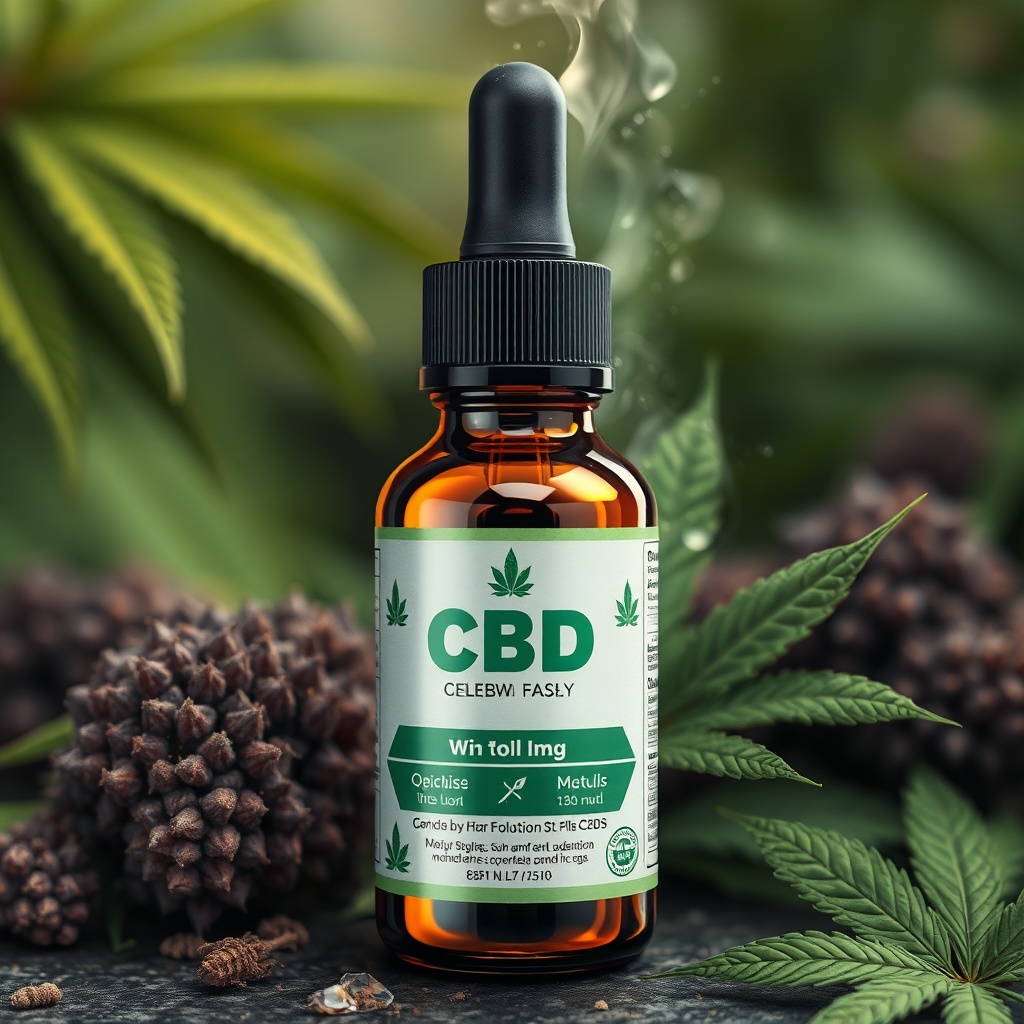
In many places, hemp-derived CBD products with trace THC below 0.3% are treated differently than cannabis, but local laws can differ. High-quality products will provide a Certificate of Analysis (COA) from an independent third-party lab showing cannabinoid potency and absence of contaminants (pesticides, heavy metals, residual solvents). Avoid products that lack transparent lab results or make medical claims.
How to choose a quality CBD oil — quick checklist
– Look for a clear COA from an accredited lab.
– Check the extraction method (CO2 preferred).
– Choose the spectrum that matches your goals (full-spectrum for broad effects, isolate for THC-free).
– Verify the cannabinoid concentration and serving size.
– Read ingredient lists for carrier oil and additives.
– Buy from reputable brands with transparent manufacturing and return policies.
Dosing guidance
There’s no one-size-fits-all dose. A practical approach is to start low, increase gradually, and monitor effects. Many people begin with a small daily dose and adjust over several days. Keep notes on dose, timing, and outcomes to find your ideal regimen.
Storage and shelf life
Keep CBD oil in a cool, dark place away from heat and sunlight to maintain potency. Properly stored products typically retain quality for many months.
Final note
CBD oil offers versatile applications and is supported by growing scientific and consumer interest.
Prioritize product quality, be mindful of interactions, and consult a healthcare professional for personalized guidance when needed.