CBD oil: what it is, how it works, and how to choose the right product
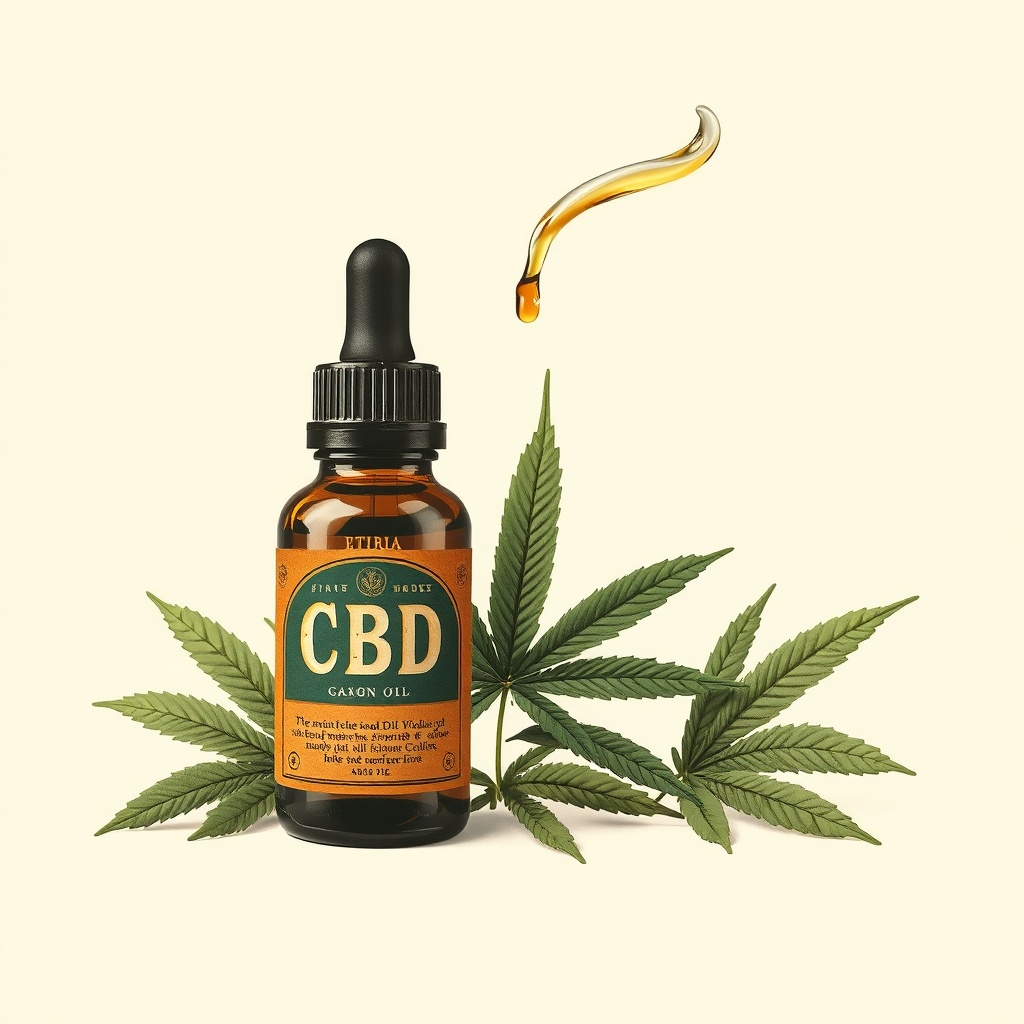
CBD oil is a popular natural supplement derived from hemp plants. Unlike THC, CBD does not produce a psychoactive high, and many people use it for support with stress, sleep, discomfort, and overall wellness.
Understanding extraction methods, product types, dosing, safety, and quality markers will help you make smarter choices.
What CBD oil contains
– Full-spectrum: contains CBD plus trace THC, other cannabinoids, and terpenes that can produce an “entourage effect.”
– Broad-spectrum: retains multiple cannabinoids and terpenes but has non-detectable THC.
– CBD isolate: pure cannabidiol with no other cannabinoids or terpenes.
Extraction and carrier oils
High-quality CBD oil is typically extracted using CO2 or food-grade ethanol to preserve cannabinoid and terpene profiles without harmful residues.
Oils are blended with carrier oils such as MCT (fractionated coconut oil), hemp seed oil, or olive oil, which affect taste, absorption, and mouthfeel.
Bioavailability and product delivery
How you take CBD affects how quickly and how much reaches your bloodstream:
– Sublingual tinctures: applied under the tongue for faster absorption than edibles.
– Edibles and capsules: slower onset but longer-lasting effects.
– Vapes: rapid onset and high bioavailability but carry respiratory risks.
– Topicals: useful for localized relief; they don’t typically enter the bloodstream in meaningful amounts.
Potential benefits and evidence
Many users report reduced anxiety, better sleep, and relief from mild discomfort. Research supports some of these effects, with clinical evidence strongest in specific medical contexts (for example, certain seizure disorders). For general wellness uses, studies are growing but vary in scale and quality. Expect individual responses to differ.
Safety, side effects, and interactions
CBD is generally well tolerated, but it can cause side effects such as drowsiness, dry mouth, digestive upset, and changes in appetite. Important safety considerations:
– Drug interactions: CBD can affect liver enzymes (CYP450 system) and alter levels of medications such as blood thinners and some anticonvulsants. Consult a healthcare professional before combining CBD with prescription drugs.
– Pregnancy and breastfeeding: avoid CBD during pregnancy or breastfeeding unless directed otherwise by a healthcare provider.
– Quality concerns: low-quality products may contain contaminants or incorrect cannabinoid levels.
How to choose a quality CBD oil
– Look for third-party lab reports (Certificates of Analysis) that verify cannabinoid content and screen for pesticides, heavy metals, and solvents.
– Prefer products made from organically grown hemp in reputable regions with transparent sourcing.
– Check extraction method and carrier oil listed on the label.
– Consider potency: many bottles list total CBD per bottle and per serving; choose based on your experience and dosing goals.
– Packaging: dark glass bottles protect oil from light degradation.
Dosing tips
Start low and go slow. A common beginner approach is to start with a low daily dose (for example, 5–10 mg) and increase gradually while tracking effects.
Keep a consistent routine for at least a week at each dose to evaluate results. If you’re unsure, consult a healthcare professional familiar with CBD.
Final note
CBD oil is a versatile supplement with growing popularity and an expanding evidence base. Prioritize safety by choosing reputable brands, reviewing lab reports, and discussing use with a medical professional when on medications or managing a health condition. Careful selection and mindful dosing will help you find a product that fits your needs.