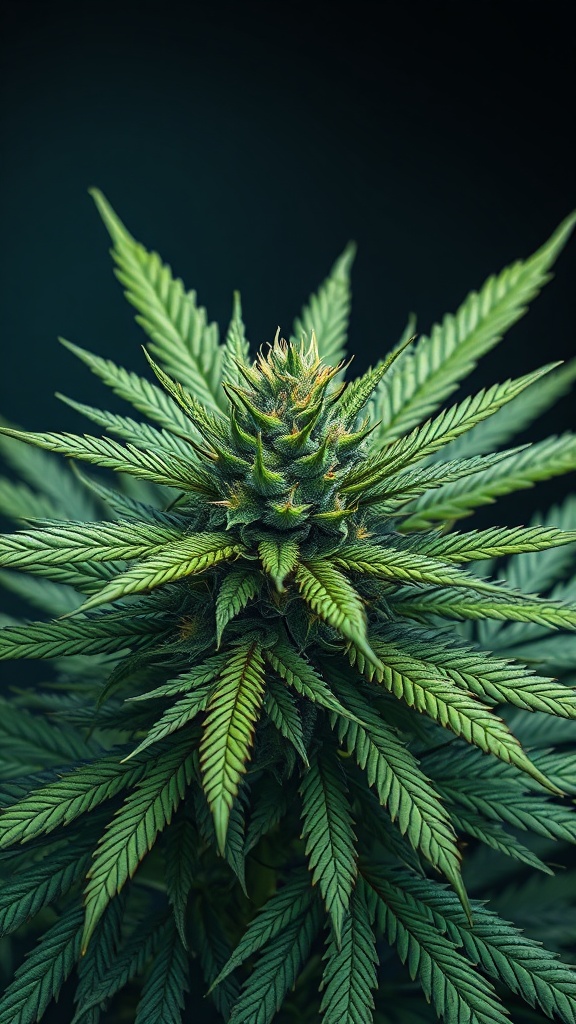
Choosing the right cannabis product can feel overwhelming with so many strains, formats, and labels to consider. Whether you’re looking for relief, recreation, or a more balanced routine, understanding cannabinoids, terpenes, dosing, and product safety helps you make informed choices and enjoy better experiences.
Understand cannabinoids and what they do
– THC: The primary psychoactive compound, often sought for relaxation, euphoria, and appetite stimulation. Potency varies across products.
– CBD: Non-intoxicating for most users; valued for potential calming and anti-inflammatory effects. Frequently combined with THC to modulate effects.
– Minor cannabinoids (CBG, CBC, THCV): Emerging interest for unique profiles and potential benefits.
Products often highlight these to target specific effects.
Terpenes shape aroma and nuance
Terpenes are aromatic compounds that influence taste and perceived effects.
Myrcene tends toward relaxation, limonene is uplifting, pinene supports alertness, and linalool may promote calm. Look for terpene profiles on lab reports or product descriptions to match effects to your goals.
Match consumption method to lifestyle and needs
– Flower (smoking/vaping): Fast onset, easy dose control for experienced users. Vaping at lower temperatures preserves terpenes.
– Edibles: Stronger, longer-lasting effects due to digestion. Start low and wait—edible onset can be delayed by an hour or more.
– Tinctures and sublinguals: Faster than edibles, discreet, and easier to titrate. Ideal for microdosing or daytime symptom management.
– Topicals: Localized relief without systemic intoxication; useful for muscle or joint discomfort.
– Concentrates: High potency for medical users or experienced consumers. Approach cautiously—small amounts go a long way.
Dosing: start low, go slow
Begin with a low dose and increase gradually. For THC edibles, a common microdose is a small fraction of standard retail doses; sublingual tinctures allow easier micro-adjustments. Keep a simple journal of dose, product, and effects to refine what works best.
Prioritize lab-tested products
Choose items with third-party lab testing that confirm cannabinoid content, terpene profiles, and absence of contaminants (pesticides, heavy metals, residual solvents). Certificate of analysis (COA) links on retailer sites or packaging build trust and safety.
Consider interactions and personal health
Cannabis can interact with medications, especially those processed by liver enzymes. If you’re taking prescription drugs or have chronic health conditions, consult a healthcare professional before using cannabis. Avoid mixing cannabis with alcohol or sedatives until you understand individual effects.
Storage and safety
Store products in a cool, dark place away from children and pets. Use child-resistant packaging and label homemade preparations clearly. For edibles, portion control reduces accidental overconsumption.
Legal and workplace considerations
Laws and workplace policies vary widely. Even in regions where cannabis is legal, restrictions on public use, driving, and employment remain important. Keep documentation for medical use where applicable and be mindful of testing policies.
Final tips for a better experience
Start with reputable retailers, ask budtenders specific questions about cannabinoid ratios and terpene content, and prioritize products with clear lab results. Microdosing and trying varied formats can help identify the sweet spot for therapeutic or recreational use without unwanted side effects.
A thoughtful approach—matching product type to goals, respecting dosing, and choosing lab-tested items—leads to safer, more predictable, and more enjoyable outcomes.