Marijuana: Safe Use, Key Differences, and Practical Tips
Marijuana — also called cannabis — is a complex plant with growing cultural, medical, and commercial significance. Whether you’re curious about therapeutic uses, recreational options, or safer consumption, understanding key differences between products and simple harm-reduction practices makes a big difference.
What’s in the plant
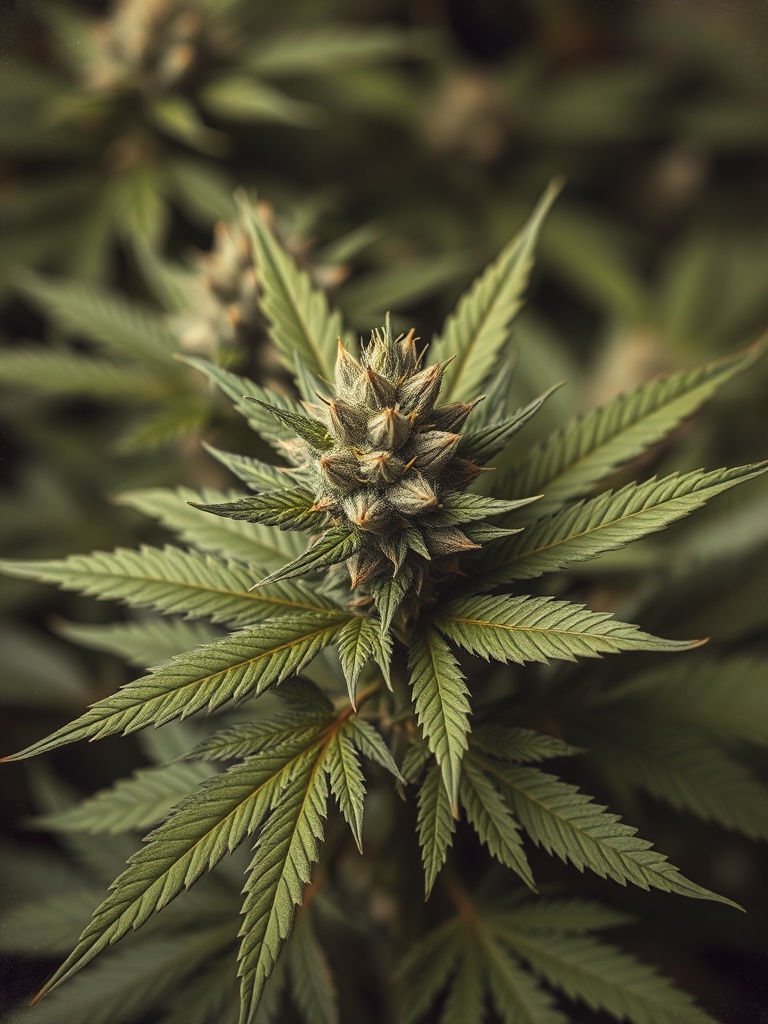
Cannabis contains hundreds of compounds, with two of the most discussed being THC (the psychoactive compound that produces a high) and CBD (a non-intoxicating compound often used for symptom relief). Terpenes are aromatic molecules that shape smell and may influence effects.
Product labels that list cannabinoid percentages and terpene profiles help guide choices.
Choosing the right product
– Flower: Dried bud is commonly smoked or vaporized.
It offers rapid onset and easier dose control for experienced users.
– Edibles: Foods and beverages infused with cannabis produce delayed, longer-lasting effects. Onset can take 30 minutes to several hours depending on metabolism and type of edible.
– Vapes and concentrates: Provide fast onset and high potency. Quality and temperature control matter; poorly manufactured devices and excessive heat can increase risks.
– Tinctures and sublinguals: Liquid extracts placed under the tongue offer more predictable dosing and faster onset than edibles.
– Topicals: Creams and balms intended for localized relief generally don’t produce systemic intoxication.
Dosing basics
Start low and go slow. New users should begin with a small dose of THC — often a few milligrams when consuming edibles — and wait sufficiently long before repeating. Many people combine CBD with THC to soften psychoactive effects. Track doses and effects to find a consistent, comfortable level.
Safety and health considerations
– Impairment and driving: Cannabis impairs reaction time and judgment.
Avoid driving or operating machinery while impaired.
– Mixing with alcohol or other drugs: Combining substances can multiply impairment and health risks.
– Respiratory health: Smoking any plant material can irritate lungs. Vaporizing at controlled temperatures can reduce combustion-related toxins, but product quality matters.
– Mental health: High-THC products may increase anxiety or psychosis risk in susceptible individuals. Those with personal or family history of psychotic disorders should consult a clinician.
– Pregnancy and breastfeeding: Cannabis exposure during pregnancy and breastfeeding is discouraged due to potential developmental risks.
– Medication interactions: Cannabis can interact with prescription medications; check with a healthcare professional before use.
Buying and testing
Purchase from regulated sources when possible. Look for third-party lab testing that verifies cannabinoid content, checks for contaminants (pesticides, heavy metals, residual solvents), and confirms potency. Clear labeling and child-resistant packaging are important quality markers.
Storage and legal considerations
Store cannabis products securely away from children and pets. Keep edibles in their original packaging and clearly labeled. Legal status varies widely by location; know local laws and workplace policies before buying or possessing cannabis.
Responsible use practices
– Plan the setting: Use in a comfortable, familiar environment.
– Have a sober companion if trying high doses or new products.
– Hydrate and eat; low blood sugar can worsen anxiety or paranoia.
– Learn first-aid basics for acute adverse reactions — most are temporary, but knowing when to seek medical help is essential.
Research is expanding on therapeutic potentials and safety profiles, and standards for product testing and consumer education are improving.
Staying informed, choosing tested products, and following harm-reduction practices help users make safer, more predictable choices.
For personalized advice, consult a knowledgeable healthcare provider.