Cannabis is evolving from a counterculture product into a mainstream option for wellness, recreation, and medicine. Whether you’re curious about cannabinoids, trying an edible for the first time, or deciding between a tincture and a topical, understanding the basics helps you make safer, more effective choices.
What to know about cannabinoids
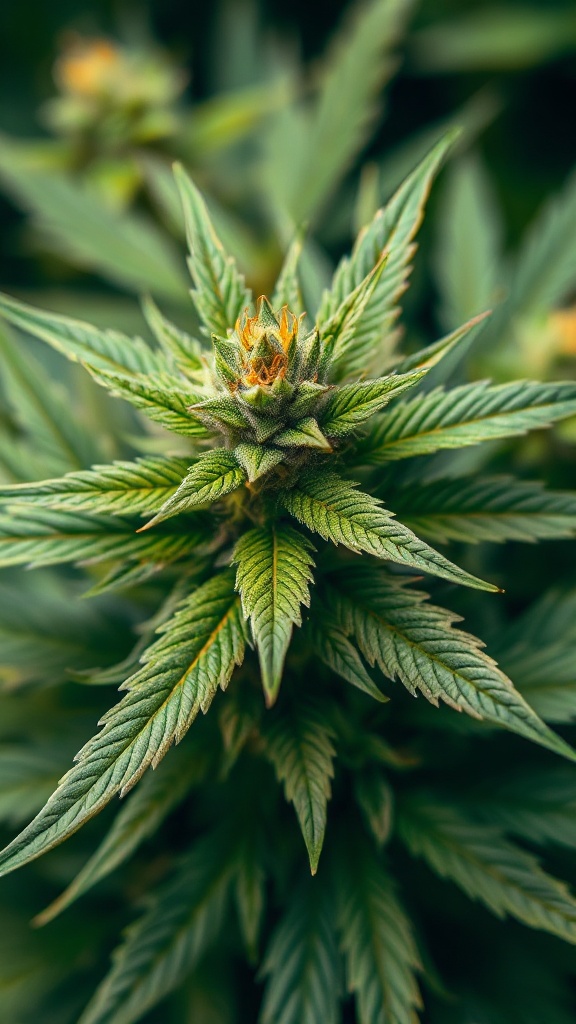
– THC: The primary psychoactive compound that produces intoxication and can relieve pain, nausea, and some symptoms related to certain conditions. Effects vary by dose and delivery method.
– CBD: Non-intoxicating and widely used for anxiety, sleep, and mild pain; its benefits are still being studied, but many users find it useful when combined with other approaches.
– Minor cannabinoids (CBG, CBN, THCV, etc.): Each has a distinct profile and potential effects. Some may support relaxation or focus, while others are under early-stage research for specific therapeutic roles.
– Terpenes: Aromatic compounds that contribute flavor and may modulate effects. Myrcene is often associated with relaxation, limonene with citrus notes and uplifting effects, and linalool with calming properties.
Consumption methods and what they mean for effects
– Inhalation (smoking, vaping): Fast onset—typically minutes—making it easier to titrate dose. Effects are shorter-lived than oral products.
– Edibles: Slower onset—often up to a couple of hours—and longer duration.
Dosing can be tricky because effects depend on digestion and metabolism.
– Tinctures and sublinguals: Faster than edibles but slower than inhalation. They allow more precise dosing for many users.
– Topicals: Applied to the skin for localized relief; generally non-intoxicating and not likely to produce a high.
– Concentrates: Highly potent and intended for experienced users; start cautiously.
Practical safety and dosing tips
– Start low, go slow. For many newcomers, low-dose approaches such as microdosing (very small amounts of THC, often a few milligrams or less) help gauge sensitivity without overwhelming effects.
– When trying edibles, wait at least a couple of hours before redosing to avoid unwanted intensity from delayed onset.
– Avoid mixing cannabis with alcohol or sedatives if you’re not prepared for amplified effects.
– Don’t drive or operate heavy machinery while impaired.
– Keep all products out of reach of children and pets and use child-resistant packaging where available.
– Avoid use during pregnancy or breastfeeding; consult a healthcare professional for guidance.
Buying and product quality
– Look for lab-tested products with a certificate of analysis (COA). A COA verifies cannabinoid potency and screens for contaminants such as pesticides, heavy metals, residual solvents, and microbes.
– Choose reputable brands with transparent sourcing and manufacturing practices.
– Store products in a cool, dark place to preserve potency and terpene profile.
Medical considerations
– Cannabis can interact with prescription medications via liver enzymes (CYP450). If you’re taking other drugs, especially blood thinners or anticonvulsants, consult a clinician before use.
– Evidence supports some medical uses, but research is ongoing; individual responses vary widely, so personalized guidance from a healthcare provider is valuable.
Legal and practical realities
Legality and regulations vary widely by jurisdiction. Check local laws before purchasing, possessing, or transporting cannabis products. Respect workplace policies and laws regarding impaired operation of vehicles.
Making informed choices about cannabis reduces risk and improves user experience. With careful dosing, attention to product quality, and open communication with health professionals, many people find cannabis a useful tool for symptom relief, relaxation, or creative enjoyment.