Microdosing Cannabis: A Practical Guide to Gentle, Controlled Use
Microdosing cannabis has moved from niche practice to mainstream interest as more people seek the therapeutic benefits of cannabinoids without strong intoxication. Whether you’re curious about easing anxiety, improving sleep, or increasing creativity and focus, a thoughtful microdosing approach can deliver subtle, manageable effects.
What microdosing means
Microdosing typically refers to taking very small, regular doses of THC, CBD, or a combination so the user feels benefits without noticeable impairment. The goal is consistent symptom relief or mood enhancement while remaining fully functional. Many users prefer tinctures or low-dose edibles because these formats allow precise, repeatable dosing.
Choosing cannabinoids and products
– THC: Small amounts can improve mood, creativity, and pain management.
Combining THC with CBD often reduces unwanted psychoactive effects.
– CBD: Non-intoxicating and commonly used for anxiety, inflammation, and sleep support. It pairs well with THC and may modulate its effects.
– Balanced products: Look for products labeled with both cannabinoid ratios and total milligrams to plan doses accurately.
Delivery methods and onset
– Tinctures: Place under the tongue for relatively fast onset and precise dosing.
Ideal for beginners who want control.
– Vaporizers: Provide rapid onset and easy titration, but not ideal for those sensitive to inhalation.
– Edibles: Long-lasting effects with slower onset. Start with very low doses and wait ample time before redosing.
– Topicals: Useful for localized relief; generally non-psychoactive.
Safe starting doses and titration
Start low and go slow. Many people begin microdosing THC at 1–2.5 mg, while CBD microdoses often range from 5–15 mg depending on body chemistry and condition. Use a journal to track dose, time, effects, and any side effects.
Increase the dose gradually only if needed and after several days of consistent observation.
Maximizing the entourage effect
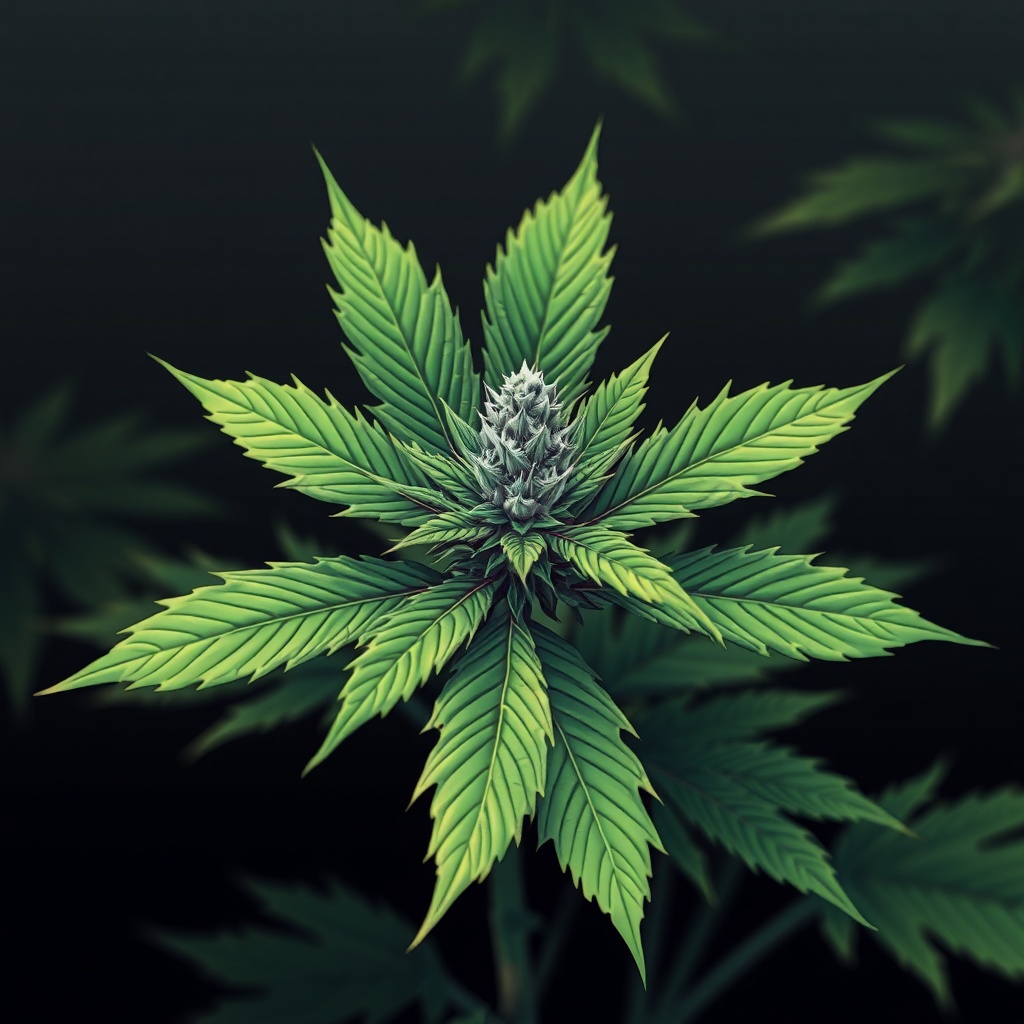
Terpenes—aromatic compounds found in cannabis—contribute to aroma and therapeutic profile. Myrcene leans calming, limonene is uplifting, and linalool may support relaxation. Choosing a product with terpenes that match your goals can enhance outcomes without increasing cannabinoid doses.
Safety considerations
– Consult a healthcare provider if you take medications or have medical conditions, especially those affecting the liver or involving blood thinners.
– Avoid driving or operating heavy machinery after use until you know how a dose affects you.
– Keep products stored securely away from children and pets.
– Be cautious with edibles: the delayed onset can lead to accidental overconsumption.
Quality matters
Buy from licensed dispensaries or reputable brands that provide third-party lab certificates showing cannabinoid potency and screening for pesticides, heavy metals, molds, and residual solvents. Transparent labeling helps you dose accurately and avoid contaminants.
Practical tips
– Use measured droppers or syringes for tinctures.
– Try a fixed low-dose edible for consistent results.
– Pair microdoses with routines—morning for focus, evening for relaxation.
– Combine CBD with THC to smooth psychoactive effects when needed.
Microdosing cannabis offers a measured, personalized path to the plant’s benefits. With accurate dosing, product quality, and mindful tracking, it’s possible to harness therapeutic effects while maintaining clarity and daily function.