CBD oil continues to attract attention as a natural option for people exploring relief for pain, sleep problems, anxiety, and more.
With a crowded marketplace and evolving science, knowing how CBD works, how products differ, and how to choose safely makes a big difference.
How CBD works
CBD (cannabidiol) interacts with the body’s endocannabinoid system, a network involved in regulating mood, pain, inflammation, and sleep. Unlike THC, CBD does not produce a psychoactive “high” at common doses. Research is active but still developing; evidence suggests benefits for certain conditions, while results for others remain mixed or preliminary.
Types of CBD products
– Full-spectrum: Contains CBD plus other hemp compounds, including trace amounts of THC. The “entourage effect” theory holds that these compounds can enhance overall effects.
– Broad-spectrum: Includes CBD and other hemp compounds but is processed to remove THC.
– CBD isolate: Pure CBD with no other cannabinoids or terpenes.
Delivery methods and pros/cons
– Tinctures (sublingual): Fast absorption, easy dose adjustment.
– Capsules and gummies: Convenient, consistent dosing, slower onset.
– Topicals: Applied directly to skin for localized relief without systemic effects.
– Vapes: Rapid onset but involve respiratory risks; choose caution due to potential lung irritation.
– Transdermal patches: Longer-lasting, steady delivery for targeted needs.
Safety and side effects
CBD is generally well tolerated, but possible side effects include drowsiness, dry mouth, diarrhea, and changes in appetite. CBD can interact with medications metabolized by the liver’s CYP450 enzymes—this includes some blood thinners, heart medications, and seizure drugs.
Pregnant or breastfeeding people should avoid CBD unless directed by a healthcare professional. Always discuss CBD with a clinician before adding it alongside prescription medications.
Choosing a reliable product
The CBD market is only partially regulated, so product quality varies widely. Use these criteria when shopping:
– Third-party lab reports (COAs): Verify cannabinoid potency and absence of contaminants (pesticides, heavy metals, residual solvents).
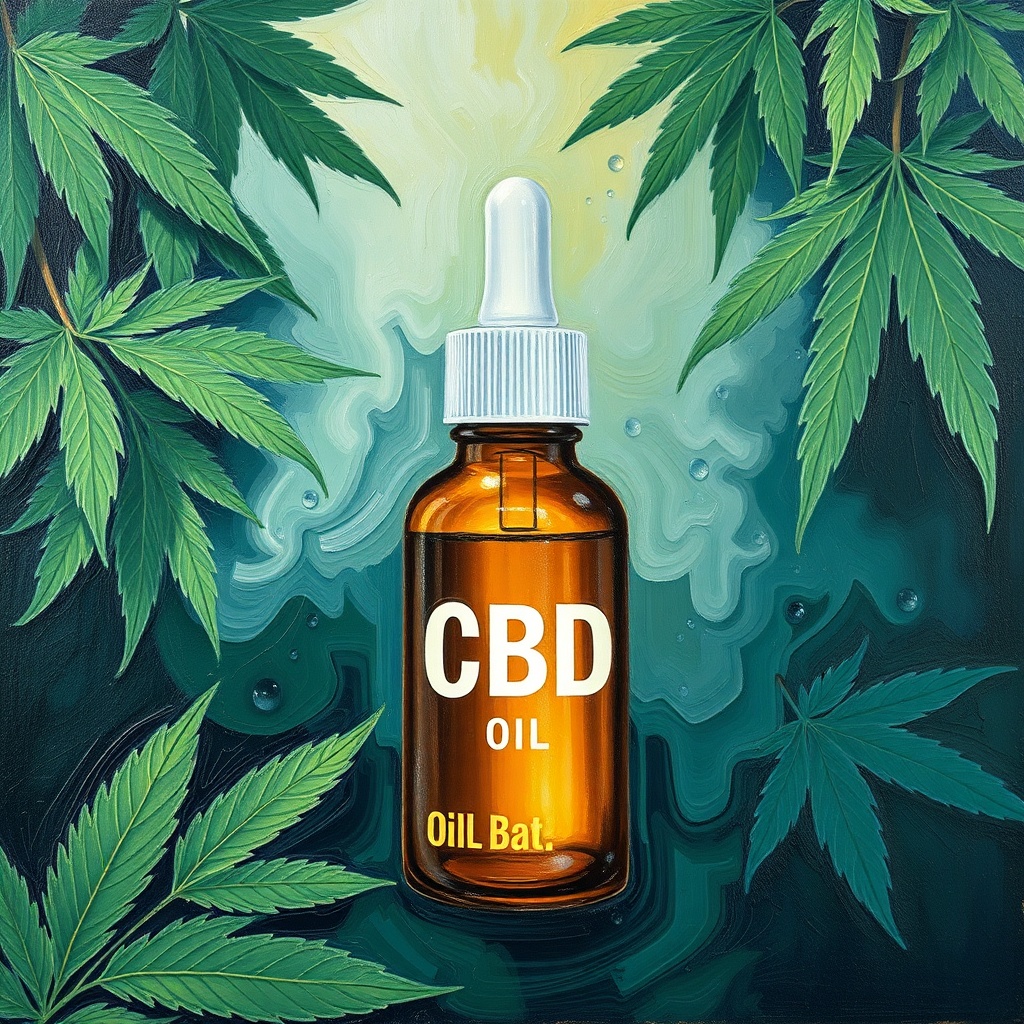
– Clear labeling: Look for CBD amount per serving, batch number, and carrier oil type (MCT oil and hemp seed oil are common).
– Transparent sourcing: Brands that disclose where and how their hemp is grown (organic practices, location) are preferable.
– Reputation and reviews: Established brands with good customer feedback and responsive customer service are safer bets.
Dosing advice
There’s no universal dose. A practical approach is “start low and go slow”: begin with a low dose, monitor effects for several days, then increase gradually until you reach the desired effect. Keep a log of dose, timing, and outcomes to help fine-tune your regimen.
Legal and regulatory landscape
Legality depends on product composition and local regulations.
Many places allow hemp-derived CBD with minimal THC content, while other jurisdictions restrict CBD or require prescriptions. Check local rules before buying and especially before traveling with CBD products.
Practical tips
– Store CBD in a cool, dark place to preserve potency.
– Avoid products that make sweeping medical claims.
– If trying CBD for the first time, choose a lower concentration and simple format (tincture or capsule) to evaluate effects.
CBD offers potential benefits for many people, but careful selection, informed dosing, and medical guidance help maximize safety and effectiveness.