CBD oil remains one of the most talked-about natural wellness options, popular for its versatility and approachable dosing. Whether you’re exploring it for stress support, sleep, joint comfort, or skin health, understanding how CBD works and how to choose a high-quality product will help you get the most reliable results.
What CBD oil does and how it works
CBD (cannabidiol) interacts with the body’s endocannabinoid system, a network involved in regulating sleep, mood, immune response, and pain perception.
CBD does not produce a “high” the way THC does, but it may influence receptors and signaling pathways that help promote balance and relief from everyday discomforts.
Common uses and potential benefits
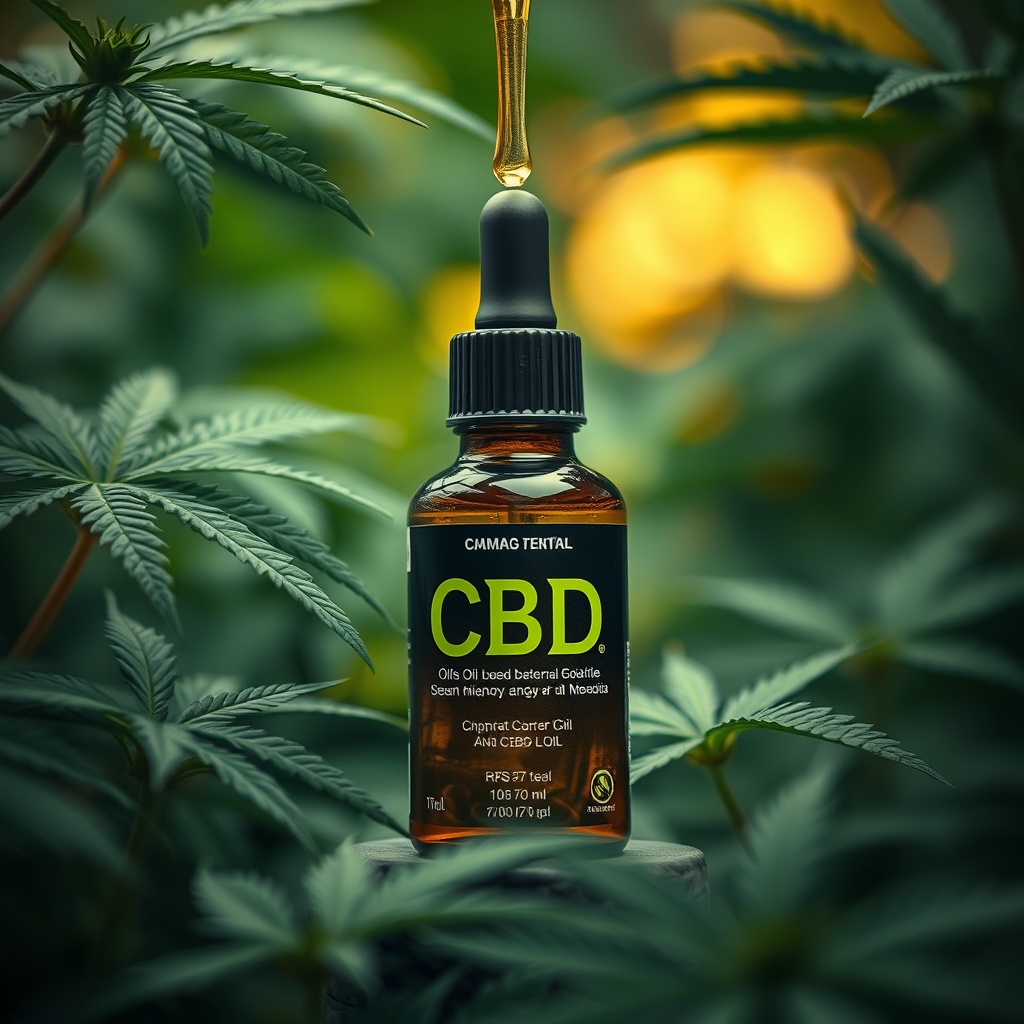
– Stress and mild anxiety support: Many people report a calmer mood and improved stress resilience with regular, low-dose use.
– Sleep support: Taken before bed, some find CBD helps shorten the time it takes to fall asleep and improves sleep quality.
– Comfort and recovery: Topical and oral CBD are popular among those seeking targeted relief for muscle or joint stiffness.
– Skin care: Formulations with CBD plus calming botanicals can help with redness or irritation for some skin types.
Choosing the right product
– Know the type: Full-spectrum CBD contains other cannabinoids and trace THC; broad-spectrum removes THC but keeps other compounds; isolate is pure CBD. Expect different effects—many users prefer full or broad-spectrum for the “entourage” benefits.
– Look for third-party lab tests (COAs): Reliable brands publish batch-specific certificates of analysis showing cannabinoid potency and confirming the absence of contaminants like pesticides, heavy metals, and solvents.
– Extraction method matters: CO2 extraction preserves compounds cleanly and is a preferred method. Avoid products that rely on low-quality extraction processes.
– Ingredient transparency: Check carrier oils (MCT or hemp seed oil), flavorings, and added botanicals. Simpler ingredient lists reduce the risk of allergens or unwanted additives.
How to use CBD oil
– Tinctures taken under the tongue offer moderate onset and flexible dosing. Hold for 30–60 seconds before swallowing.
– Capsules and edibles are convenient and discreet but have slower onset and longer duration.
– Vaping gives rapid effects but carries respiratory risks; use caution and prioritize tested formulations.
– Topicals work best for localized discomfort without systemic effects.
Dosing and safety
Start low and go slow: begin with a small dose and increase gradually while observing effects. Because products vary widely in potency, read labels to determine how many milligrams per serving you’re taking. Common side effects include drowsiness, dry mouth, and occasional gastrointestinal upset. CBD can interact with medications metabolized by the liver’s enzyme systems—especially blood thinners and certain seizure medications—so consult a healthcare professional before starting CBD if you’re on prescriptions.
Storage and shelf life
Store CBD oil in a cool, dark place away from direct sunlight and heat. Proper storage preserves potency and flavor for longer.
Final practical tips
– Buy from reputable brands that provide clear COAs and sourcing details.
– Prefer hemp grown with good agricultural practices and clean extraction methods.
– Track how you feel and adjust dosing gradually.
– Discuss CBD use with your healthcare provider if you take prescription medications or have chronic health conditions.
CBD oil can be a useful tool within a broader wellness routine when chosen carefully and used responsibly.
Keeping quality, transparency, and safety front of mind will increase the chances of a positive experience.