CBD oil remains one of the most discussed natural supplements for wellness. With wider availability and improved manufacturing standards, consumers face many choices. This guide covers what to look for, how different products compare, safety considerations, and practical tips for finding a quality CBD oil.
What CBD oil is and how it works
CBD (cannabidiol) is a non-intoxicating compound found in hemp plants. Unlike THC, CBD does not produce a high. It interacts indirectly with the endocannabinoid system and other receptor systems, which is why people explore it for stress support, sleep, comfort, and general balance.
Research continues to evolve, so evidence varies by use and individual response.
Types of CBD oil
– Full-spectrum: Contains CBD plus minor cannabinoids, terpenes, and trace THC. Many users prefer it for the “entourage effect,” where components may work synergistically.
– Broad-spectrum: Similar to full-spectrum but processed to remove THC while retaining other cannabinoids and terpenes.
– CBD isolate: Pure CBD with no other cannabinoids or terpenes. Good for those who want zero THC exposure.
Extraction and quality
CO2 extraction is widely regarded as the cleanest, most consistent method. Avoid products that do not disclose extraction methods or that use cheap solvent extraction without thorough testing.
High-quality manufacturers publish Certificates of Analysis (COAs) from independent third-party labs showing cannabinoid potency and screening for contaminants like heavy metals, pesticides, and residual solvents.
Bioavailability and formulations
How you take CBD affects how much your body absorbs:
– Sublingual tinctures: Placed under the tongue for faster absorption than standard edibles.
– Capsules and edibles: Convenient but undergo digestion, which reduces bioavailability.
– Topicals: Applied to the skin for localized support; do not enter systemic circulation significantly.
– Water-soluble or nanoemulsified products: Formulated to increase absorption and onset time, often marketed for faster effects.
Vaping and inhalation offer rapid onset but carry specific safety and regulatory concerns; choose with caution.
Dosing basics and safety
Individual response varies widely. A practical approach is to start low and go slow—begin with a small dose and adjust gradually until you notice the desired effect. Keep a simple log of dose and outcomes to track what works. Be aware that CBD can interact with medications metabolized by the liver’s CYP450 enzymes, including some blood thinners and antiseizure drugs.
Avoid use during pregnancy or breastfeeding and consult a healthcare professional if you take prescription medication or have health conditions.
What to look for on the label
– Total CBD per bottle and per serving (mg)
– Serving size and number of servings
– Source of hemp (organic/sustainably grown preferred)
– Extraction method (CO2 preferred)
– Batch-specific third-party COA with clear results
– THC content if you need to avoid it
Storage and shelf life
Store CBD oil in a cool, dark place away from heat and direct sunlight. Close the cap tightly to limit oxidation. Proper storage preserves potency and flavor.
Practical buying checklist
– Confirm third-party lab testing and matching batch numbers
– Prefer CO2-extracted products from reputable brands
– Choose full- or broad-spectrum if you want more plant compounds; choose isolate if you need no THC
– Read customer reviews and check for clear company transparency and return policies
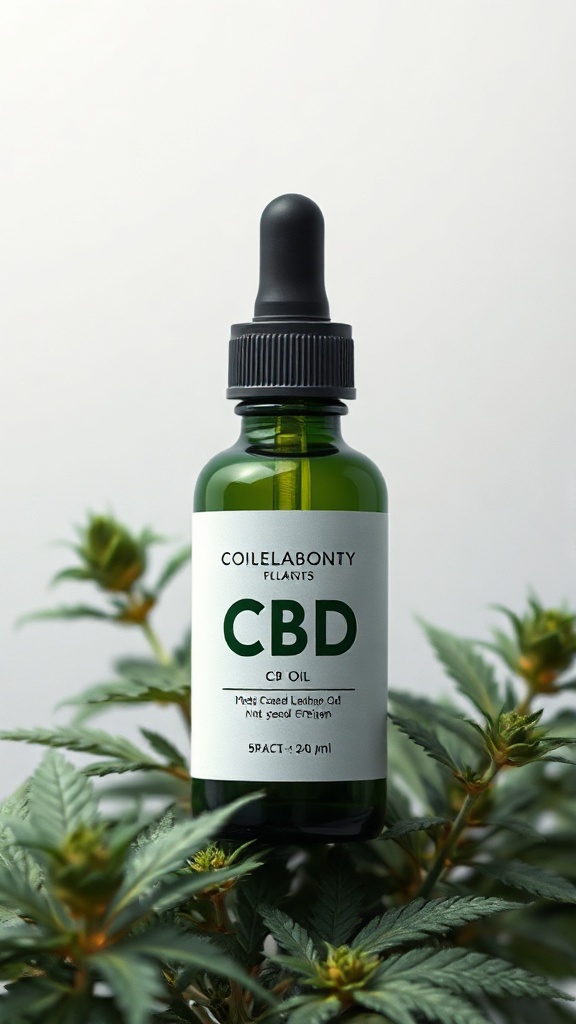
When chosen and used carefully, CBD oil can be a useful part of a wellness routine. Prioritize quality, start conservatively with dosing, and seek medical advice when needed to ensure safe, informed use.