Marijuana: What Responsible Use Looks Like Today
Marijuana (cannabis) remains one of the most discussed plant-based substances because of its therapeutic potential, evolving legal status, and wide range of products.
Whether you’re curious about medical cannabis, recreational options, or safer consumption, understanding the basics helps you make informed choices.
What marijuana actually is
Cannabis contains dozens of cannabinoids, with THC (tetrahydrocannabinol) and CBD (cannabidiol) the most well known. THC produces the psychoactive “high”; CBD is non-intoxicating and often used for anxiety, sleep, and inflammation.
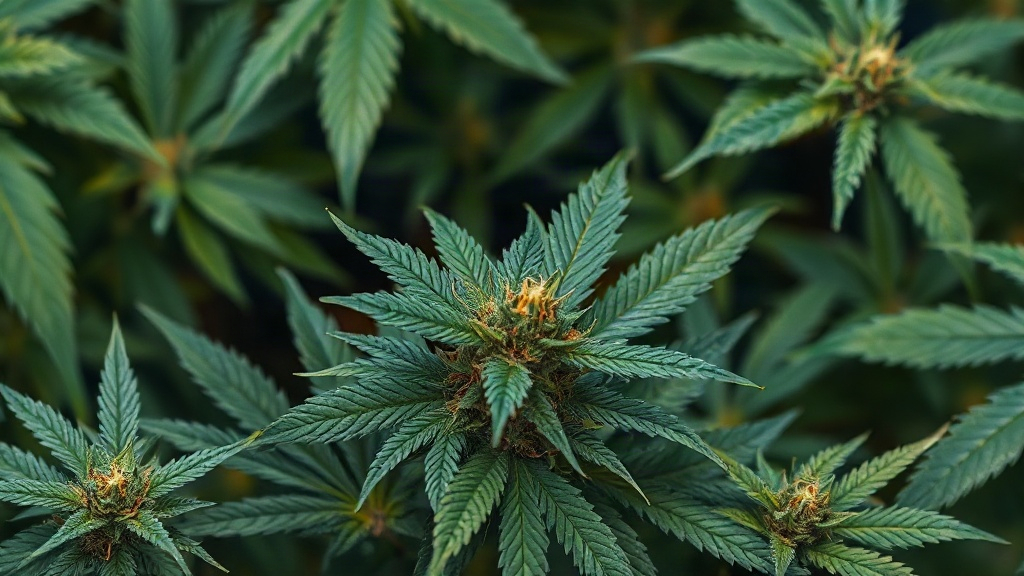
Terpenes—aromatic compounds—also influence the smell and subtle effects of different cultivars.
Choosing the right product
– Flower: smoked or vaporized; fast onset and easy to dose for experienced users.
– Vapes: quicker onset like smoking but purchase only tested cartridges from reputable sources to avoid contaminants.
– Edibles: delayed onset and long-lasting effects; dose carefully because effects can take 1–3 hours to appear.
– Tinctures and sublinguals: faster than edibles, useful for controlled dosing.
– Topicals: applied to skin for localized relief without systemic intoxication.
Dosing and safety tips
Start low and go slow. For THC edibles, a low starting dose is 2.5–5 mg; for tinctures, begin with a small measured amount and wait to assess effects. Keep a log of strains, doses, and outcomes to find what works. Avoid mixing alcohol and high-THC products; combining them increases impairment risk. If you use prescription medications, consult a healthcare provider—CBD and THC can interact with drugs metabolized by liver enzymes.
Medical considerations
Research supports cannabis for certain conditions such as chronic pain, chemotherapy-related nausea, muscle spasticity, and specific seizure disorders. Individual response varies, so medical guidance and access to cannabinoid profiles (THC/CBD ratios) and lab results are important. Pregnant or breastfeeding people should avoid marijuana due to potential risks to the fetus or infant.
Regulation and product quality
Regulated dispensaries provide lab-tested products with clear potency labeling and contaminant screening. Avoid black-market or untested sources—contaminants like pesticides, residual solvents, and heavy metals have been found in unregulated products. Look for certificates of analysis (COAs) and transparent supply chains.
Impairment and legal responsibilities
Cannabis can impair reaction time, judgment, and coordination. Do not drive or operate heavy machinery while under the influence. Workplace policies vary—employers may test and enforce restrictions regardless of local legality—so understand your rights and obligations.
Sustainability and sourcing
Cultivation can be resource-intensive. Look for brands that prioritize energy-efficient grows, water conservation, and organic pest management. Indoor cultivation has a higher carbon footprint than sun-grown or greenhouse methods, so certified sustainable options reduce environmental impact.
Final tips for responsible users
– Keep products locked and out of reach of children and pets.
– Store edibles in original packaging with clear dosing info.
– Start with low doses, track effects, and adjust gradually.
– Buy tested products from licensed retailers and ask for COAs.
– Discuss use with a healthcare professional if you have medical conditions or take other medications.
Staying informed about product quality, dosing, and legal responsibilities helps people use marijuana more safely and effectively.
Whether exploring cannabis for symptom relief or recreational enjoyment, thoughtful choices and trusted sources make the experience healthier and more predictable.