Cannabis, as we know it, is a plant charged with numerous compounds. One of these is tetrahydrocannabinol, more popularly known as THC. This notorious cannabinoid is associated with the euphoric feeling that people often associate with marijuana. However, beyond the surface, THC has a world of intriguing characteristics and potential benefits that are worth exploring.
The Chemical Structure and Functioning of THC
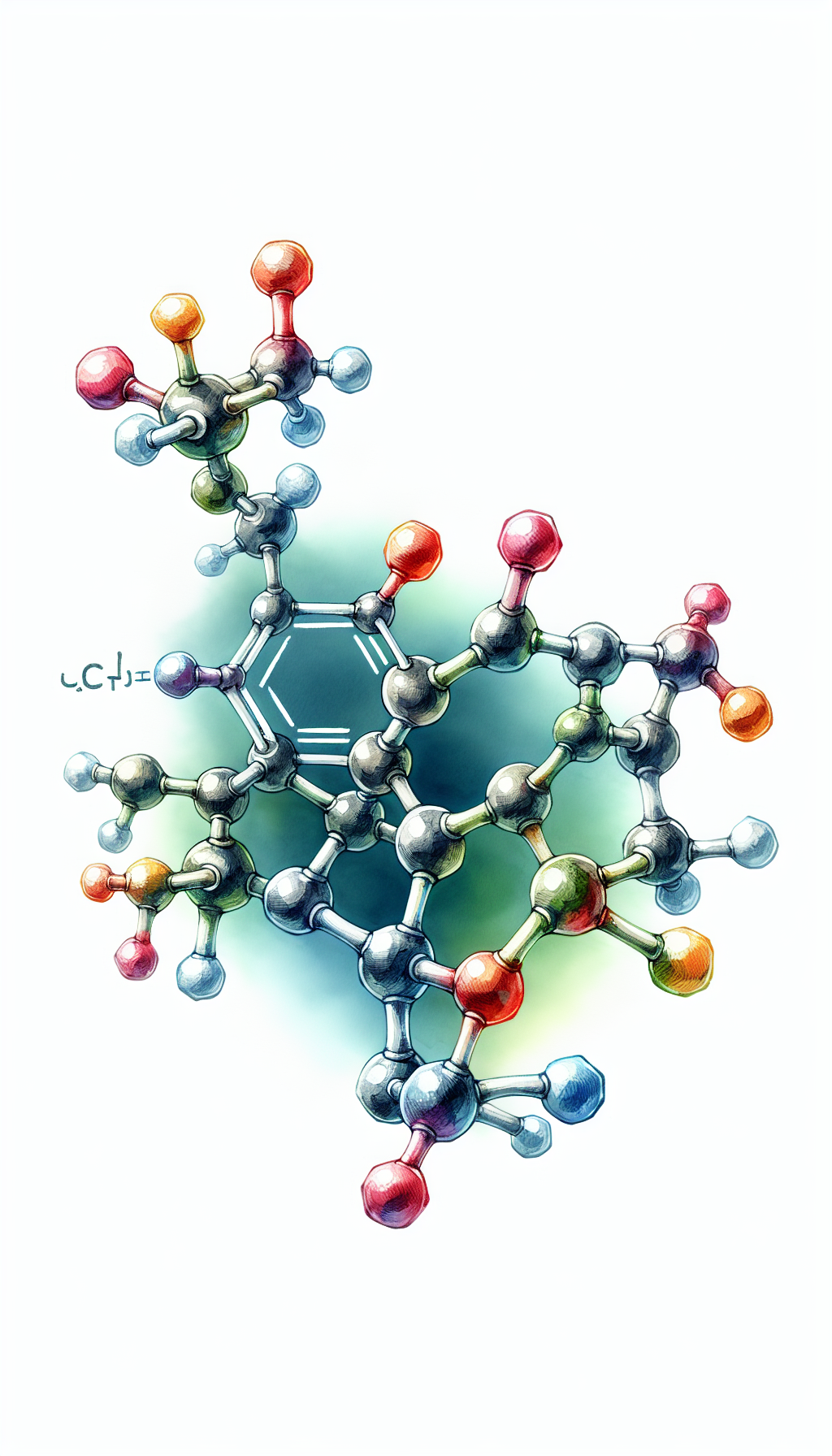
On the molecular level, THC shares a common structure with our body’s natural cannabinoid, anandamide. This similarity allows it to interact with our body’s cannabinoid receptors, specifically located in brain cells that are responsible for memory, cognition, and motor coordination.
When THC is ingested or inhaled, it binds to these cannabinoid receptors, inhibiting their function. It affects areas of the brain such as the hippocampus and orbitofrontal cortex, leading to altered states of thinking, memory, and pleasure.
The Potential Medical Benefits of THC
While the recreational use of THC is widely recognized, less known are the potential medical benefits it may offer.
Researchers are increasingly focusing on the potential of THC to treat a number of health conditions.
Pain Management: Traditional pain medications can have a host of side effects and potential for addiction. THC has shown promise as an alternative for managing chronic pain.
Appetite Stimulation: THC can stimulate appetite, potentially helping those who have trouble maintaining weight due to illnesses such as HIV/AIDS or cancer.
Nausea and Vomiting: THC has been found to be effective in decreasing nausea and vomiting, especially in patients undergoing chemotherapy.
Sleep Aid: For those who struggle with insomnia, THC may help you catch those much-needed Zzz’s.
The Legal Status of THC
The legal landscape for THC is complex and varies widely around the globe. While some states in the U.S. have legalized the medical and recreational use of marijuana, others only allow for CBD use, and some have strict laws against any form of the plant. Globally, the picture is even more diverse, with some countries having progressive cannabis laws, while others maintain a strict prohibitionist stance.
The Potential Risks of THC
While THC holds an array of potential benefits, it’s essential to recognize the risks associated with its use.
Long-term use of THC can lead to dependency and has been associated with mental health disorders. Further, its impact on coordination and judgement can increase the risk of accidents.
It’s crucial to ensure that any use of THC is guided by a healthcare professional. This is especially true for those using it for medical purposes. Remember that everyone reacts differently to THC, so what works for one person may not work for another.
Currently, research into THC is flourishing, and we are only beginning to scratch the surface of this intriguing cannabinoid’s potential. From its medical benefits to its psychoactive properties, THC is taking center stage in a global conversation about cannabis.
Unquestionably, the ongoing studies, the evolving legal landscape, and the continued public interest make THC a topic bound to attract further attention. As we continue to explore the depths of this compound, it’s essential to stay informed and approach it with an open but cautious mind.