Cannabis, with its rich history and ever-growing acceptance, has quickly become a key player in wellness practices worldwide. Today, it isn’t just a recreational substance but a significant component integrated into holistic health practices. This shift in perception and use can be attributed to the broad range of potential benefits that cannabis offers, from pain relief to stress reduction.
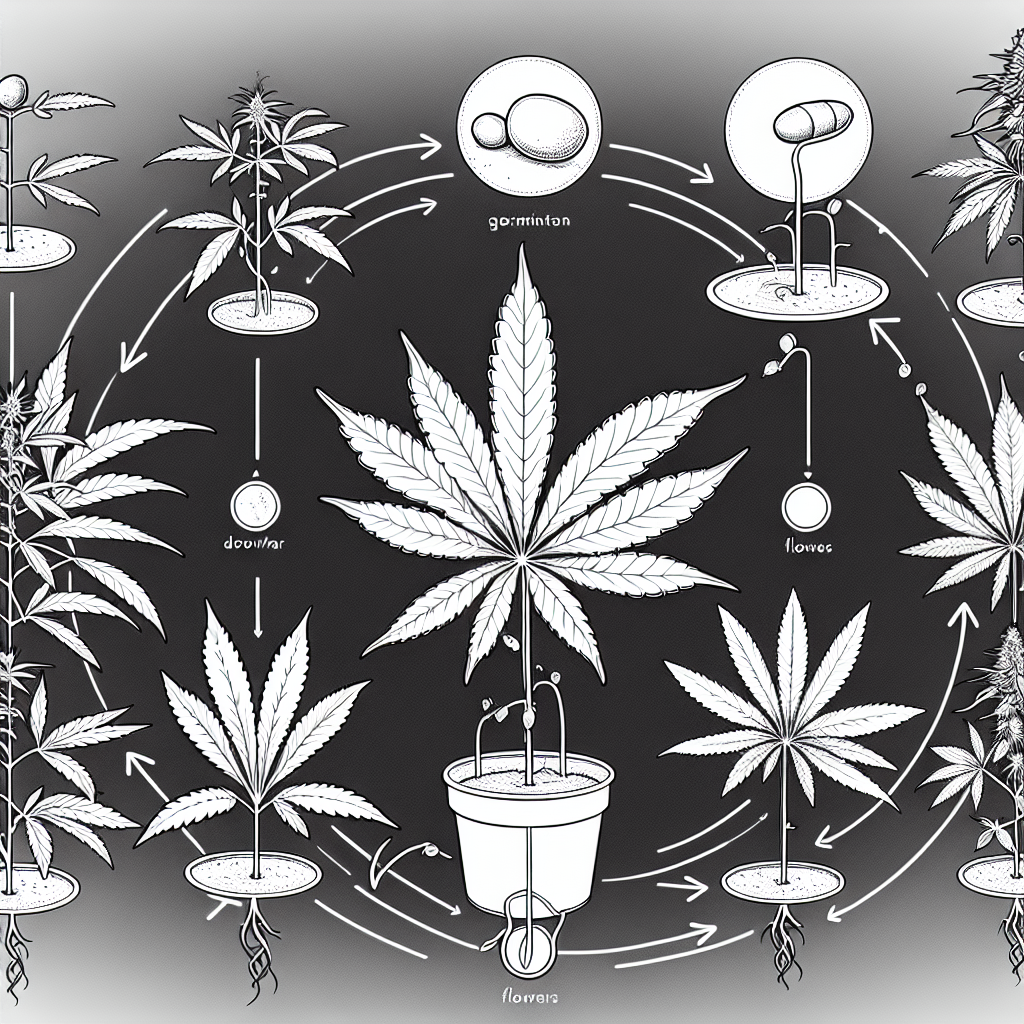
In recent years, the wellness industry has seen a surge in the incorporation of cannabis into various products and practices.
Not only have select spas started offering cannabis-infused treatments, but several wellness products like massage oils, skin creams, and even teas are now available with cannabis extracts. This integration signifies a shift from conventional wellness practices, opening doors to new therapeutic potentials.
One of the primary reasons behind this trend is the profound relationship between cannabis and pain management.
Cannabis, particularly non-psychoactive cannabidiol (CBD), is recognized for its potential analgesic properties. Many individuals suffering from chronic pain conditions have turned to cannabis as a natural alternative to synthetic painkillers. Today, cannabis-infused balms, creams and oils are common in the wellness market, offering a potential solution to discomfort and pain.
Additionally, cannabis’s role in stress management and mental wellness has been a game-changer.
CBD, with its calming effects, is believed to alleviate symptoms of anxiety and promote relaxation.
Some wellness companies have capitalized on these benefits, curating mindfulness practices and relaxation techniques around cannabis. Meditation combined with micro-dosing cannabis is gaining momentum as a practice that aims to enhance concentration, tranquility, and overall well-being.
Cannabis has also found its place in the skincare industry, with many companies producing cannabis-infused skincare products. The anti-inflammatory properties of CBD are thought to help combat skin inflammation, reduce redness, and even alleviate symptoms of conditions like psoriasis and eczema. Furthermore, cannabis is rich in antioxidants, which can potentially help combat signs of aging.
However, the integration of cannabis into wellness practices has not been without its challenges.
Despite the increasing acceptance, some skepticism and legal hurdles still exist. It is important that consumers approach cannabis with an informed mindset, understanding the potential pros and cons. For instance, while CBD is generally well-tolerated, it can interact with certain medications. Therefore, it is recommended to consult with a healthcare professional before incorporating it into daily routines.
Moreover, while cannabis holds promising potential, it is crucial to remember that more research is needed to fully understand its effects. Many claims about cannabis’s benefits are based on anecdotal evidence and early research. Therefore, it is essential to approach these claims critically, waiting for further scientific validation.
In the face of these challenges, the cannabis industry continues to thrive and evolve. This progress is a testament to the potential benefits and possibilities that cannabis brings to the wellness sector.
It also brings into focus the importance of continued research and conversation around this versatile plant.
Currently, the influence of cannabis on wellness practices is evident, and its potential seems vast. As the world continues to embrace this versatile plant, its role in promoting holistic health and wellness is likely to grow. Engaging in informed, responsible use of cannabis could very well lead to a new era of wellness, where natural alternatives are not just desirable, but also efficacious and readily available.