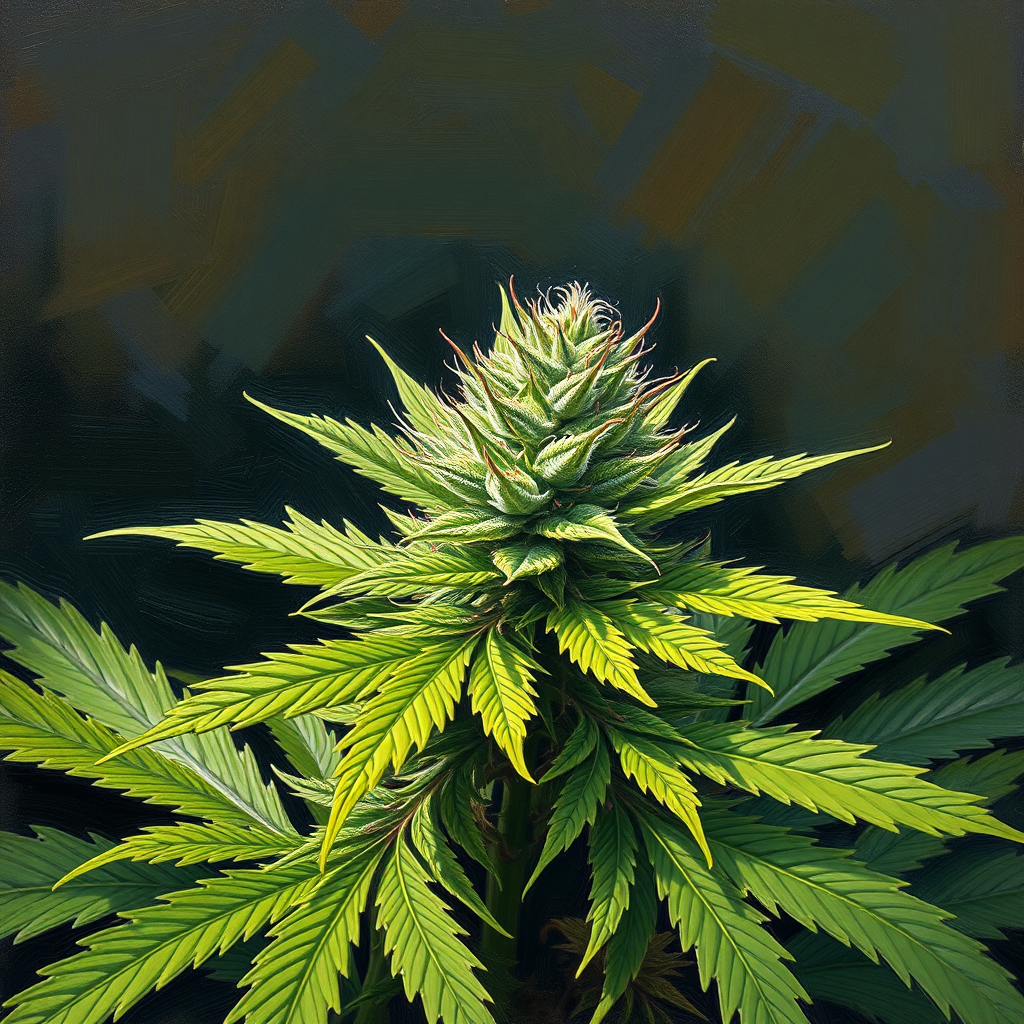
The world of cannabis has come a long way from its early controversial days; today, people are exploring this versatile plant’s vast array of applications in both recreational and medicinal contexts.
With ongoing research, the therapeutic potential of cannabis is increasingly becoming a subject of interest, contributing to a significant shift in societal attitudes and legislative stances around the globe.
Cannabis is derived from the Cannabis Sativa plant, composed of over a hundred different compounds known as cannabinoids. Among these cannabinoids, the two most recognized and studied are Delta-9 Tetrahydrocannabinol (THC) and Cannabidiol (CBD).
THC is the primary psychoactive compound in cannabis, responsible for the ‘high’ sensation. However, it’s not just about the euphoria with THC; this compound is currently being evaluated for pain relief, insomnia, glaucoma, and low appetite, conditions often encountered in chronic diseases and cancer.
On the other hand, CBD is non-intoxicating but has made headlines for its potential therapeutic benefits. People are increasingly using CBD products to address anxiety, chronic pain, epilepsy, and even aid sleep.
The conversation around cannabis can’t be complete without discussing the ‘entourage effect’. This theory suggests that the cannabis plant’s numerous compounds work together synergistically, magnifying the therapeutic benefits of the plant’s individual components. Therefore, a whole-plant extract is believed to be more beneficial than isolated compounds.
Currently, the medical community is witnessing a growing interest in cannabis as a therapeutic tool. Evidence from preliminary studies suggests potential in alleviating symptoms in conditions such as multiple sclerosis, epilepsy, and even some psychiatric disorders. This has led to an increase in medical cannabis programs and the development of FDA-approved drugs containing cannabinoids.
In the realm of mental health, early research indicates that CBD may exhibit anti-anxiety and antidepressant effects.
Its potential role in treating anxiety disorders, including post-traumatic stress disorder (PTSD), is currently being studied. Moreover, there’s also ongoing research into understanding the potential role of cannabis in managing opioid dependency, marking an interesting turn in addiction treatment.
Despite the promising potential of cannabis, it’s crucial to mention that more rigorous clinical trials are needed to fully understand the plant’s therapeutic scope and limitations. Also, it’s important to remember that cannabis, like any other therapeutic agent, comes with its side effects, including potential dependency and cognitive impairments, which necessitates careful and regulated use.
Furthermore, while experiencing a widespread shift in societal attitudes, cannabis laws remain complex and varied globally. Therefore, anyone considering cannabis as a therapeutic option should understand their regional laws and consult with a healthcare practitioner for personalized advice.
The journey of understanding cannabis continues to unfold, transforming its image from a recreational substance to a potential therapeutic agent. As research advances, we can expect to learn more about the diverse applications of cannabis, which could revolutionize the way we approach many health conditions in the future.
It’s a fascinating time in the world of cannabis, and keeping ourselves informed is key to harnessing its potential responsibly.