THC, or Tetrahydrocannabinol, is one of the most recognized and extensively studied components of the cannabis plant. Known for its psychoactive properties, THC has recently been garnering attention not just for recreational use, but also for its potential health benefits. The exploration of its utility in wellness and health sectors is currently on an upward trend.
Initially, THC was primarily associated with the ‘high’ experienced by cannabis users. However, recent studies have found a range of potential therapeutic benefits. These benefits have transformed the perception of THC, causing a surge in its usage as a wellness solution.
One of the main reasons THC is turning heads in the wellness sector is its reported pain-relief properties. Individuals dealing with chronic pain conditions have found solace in THC-based products, as these are believed to interact with pain-signaling cells, reducing discomfort and inflammation.
For those suffering from conditions such as arthritis and migraines, THC is now being considered an alternative to traditional painkillers.
Furthermore, THC has shown promise in the area of mental health. Researchers suggest that, in regulated doses, THC might help manage symptoms of mood disorders, such as anxiety and depression.
By interacting with the brain’s cannabinoid receptors, it can induce a calming effect, reducing stress and promoting relaxation.
There is also a growing interest in the potential of THC to stimulate appetite. This could be particularly beneficial for individuals undergoing treatments like chemotherapy, which often reduce appetite and lead to significant weight loss. Moreover, THC might assist in managing nausea and vomiting, complementing its potential role in cancer care.
While the potential benefits of THC are exciting, it’s important to approach this topic with balance. High doses of THC can lead to unwanted side effects like anxiety, paranoia, and impaired cognitive function. Therefore, it’s imperative that anyone considering THC for wellness purposes consults a healthcare professional first.
Furthermore, the legal status of cannabis and its components, including THC, varies widely.
Although many regions have relaxed their cannabis laws recently, it’s crucial for individuals to understand the regulations in their locality before exploring THC-based products.
To capitalize on the benefits of THC while minimizing its potential side effects, many companies are now offering products with a balance of THC and CBD (cannabidiol). CBD is another compound found in cannabis, known for its health benefits without the psychoactive effects. These THC-CBD balanced products aim to offer the best of both compounds, leading to more holistic health and wellness solutions.
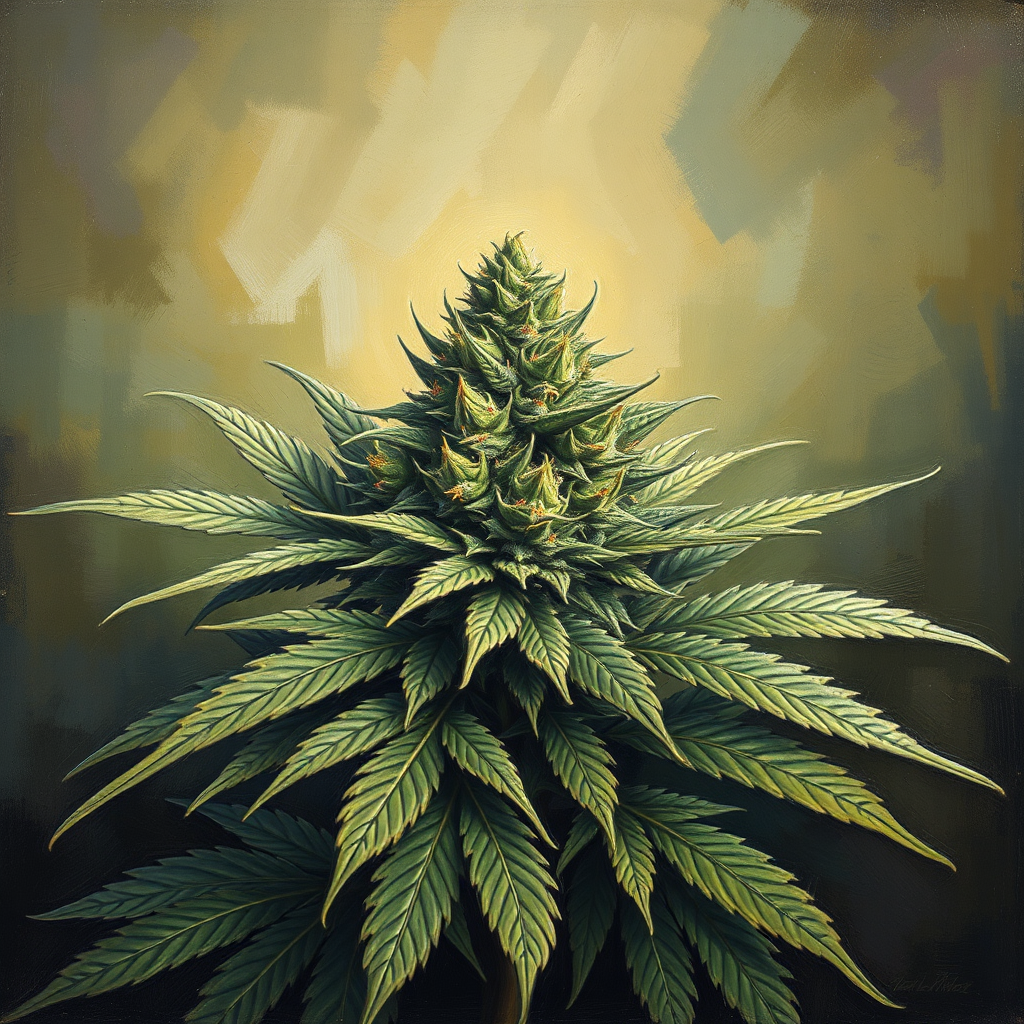
In the ever-evolving world of health and wellness, the rising popularity of THC is certainly making waves. As more research is conducted, and as perceptions continue to shift, the potential for THC to play a significant role in wellness solutions is increasingly tangible.
From pain management to mental health support and beyond, the promise of THC holds considerable intrigue and potential.
With an informed, cautious approach, THC might just be the next big thing in wellness. As with any health-related venture, it’s essential to have informed discussions with health professionals, and to fully understand the legalities and potential effects. Embracing such an approach ensures a safe, effective exploration of the world of THC wellness solutions.