THC, or Tetrahydrocannabinol, has recently been thrust into the spotlight due to the evolving legal and societal perspectives on cannabis. As the primary psychoactive compound in cannabis, THC has a significant role in the overall experience of the user. It’s the element that’s mostly associated with the classic ‘high’ that marijuana is known for. But THC brings more to the table than just recreational enjoyment, as it also boasts potential therapeutic benefits.
Hence, this article will delve deeper into the fascinating world of THC.
Understanding the Science of THC
To fully appreciate THC’s effects, we must first understand the science.
THC works by imitating compounds in our bodies known as endocannabinoids. These chemicals play crucial roles in activities such as cognition, motor coordination, and appetite, among others.
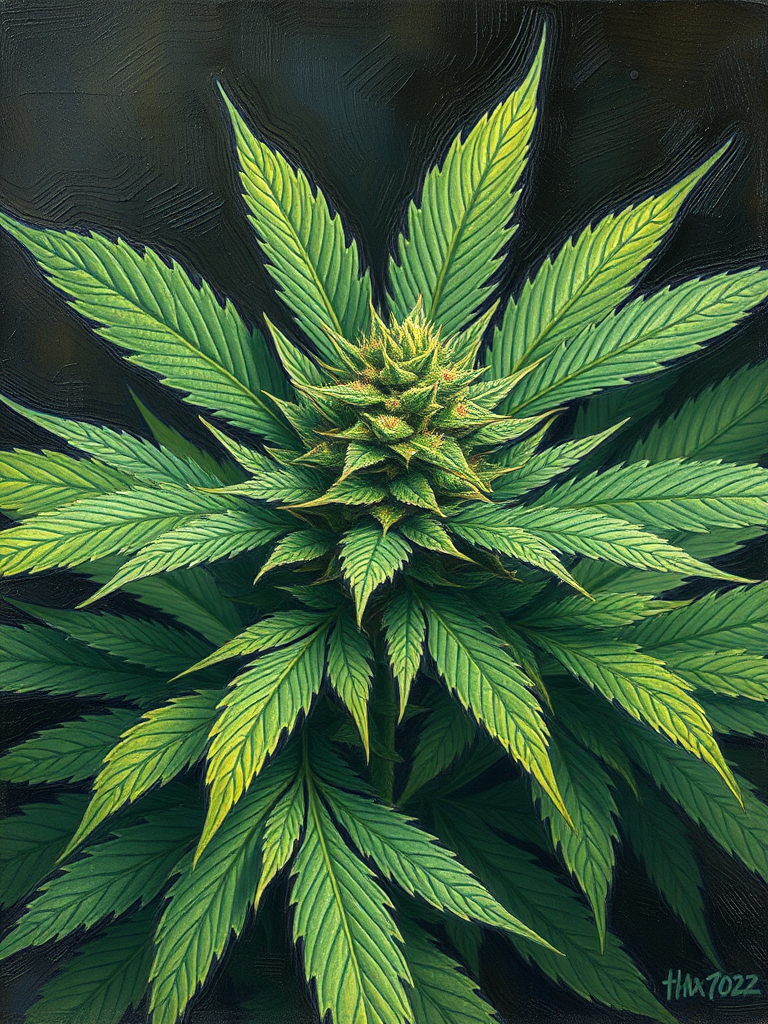
THC binds with cannabinoid receptors in the brain and cannabinoid receptor 1 (CB1), in particular, predominates in areas of the brain associated with thinking, memory, pleasure, and time perception. This interaction explains many of THC’s effects, from the euphoria and relaxation it can induce to potential memory impairments.
THC’s Therapeutic Potential
THC’s interaction with the body’s endocannabinoid system has opened avenues for potential therapeutic uses. Medical research currently explores its efficacy for a range of conditions, such as chronic pain, nausea, sleep disorders, and appetite loss.
It’s also being studied for its potential use in conditions like multiple sclerosis and PTSD. Always remember, though, that these potential benefits should be weighed against possible side effects.
The Entourage Effect
One particularly captivating aspect of THC is its potential synergistic relationship with other compounds in cannabis. This is often referred to as the ‘entourage effect’.
The theory suggests that compounds in cannabis, such as terpenes and other cannabinoids, including CBD, can modulate and even enhance THC’s effects. This could pave the way for more nuanced and effective cannabis-based therapies in the future.
Navigating the Legal Landscape
While THC’s potential benefits are promising, it’s important to note that its legality varies by location. In some regions, cannabis and THC are legal for both recreational and medicinal use, while others permit only medicinal use or prohibit cannabis altogether. It’s always crucial to be aware of the laws in your region before considering any cannabis or THC products.
Striking the Right Balance with THC
The most important takeaway when considering THC is balance. Each individual experiences THC differently, and factors like the strain of cannabis, the consumption method, and individual tolerance levels can greatly influence the experience.
As with anything, moderation is key. It’s crucial to start with low doses, particularly for novice users, and gradually increase as comfort and tolerance levels allow. Also, being aware of potential side effects, such as dry mouth, increased heart rate, and memory issues, can help users make informed decisions about THC use.
THC is a complex compound that, much like the cannabis plant it originates from, is abundant in nuances.
From its potential therapeutic benefits to its recreational uses and the science behind it, THC truly is a multifaceted compound with a lot to offer. As we continue to explore its potential, one thing remains clear: the world of THC is as intriguing as it is diverse. Enjoy the journey of discovery.