Understanding the Health Benefits of Cannabis
The world of health and wellness is continually evolving, with new breakthroughs and discoveries reshaping our understanding of medicine.
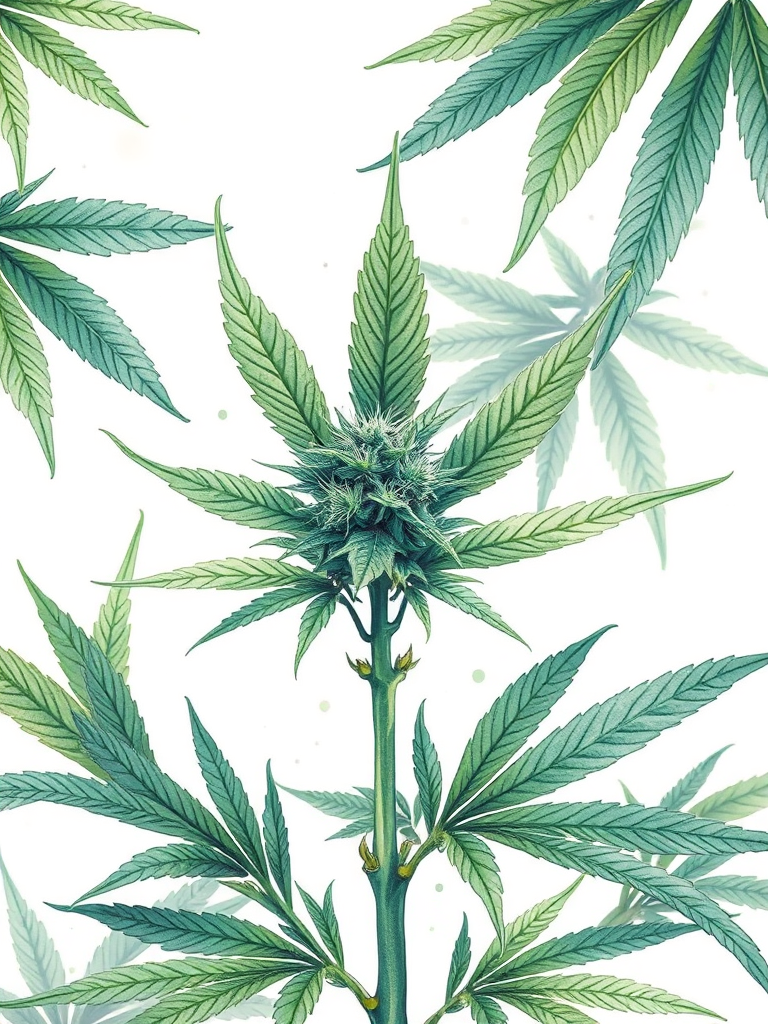
One such development gaining significant attention in recent years is the potential therapeutic properties of cannabis.
Cannabis, often associated with recreational use, has found itself at the center of intense medical and scientific research. This exploration stems from a newfound interest in its potential health benefits, ranging from pain management to mental health.
A deeper look into the plant reveals an intricate compilation of chemical compounds, some of which are thought to possess notable medicinal properties. These compounds, known as cannabinoids, interact with the body’s endocannabinoid system to produce various effects.
Two cannabinoids – cannabidiol (CBD) and tetrahydrocannabinol (THC) – are the most studied and understood.
CBD has been celebrated for its potential therapeutic properties, which include anti-inflammatory, analgesic, anxiolytic, and anti-psychotic effects. Recently, CBD has been used in treatments for a range of conditions, including chronic pain, anxiety, epilepsy, and even certain autoimmune diseases.
It’s also been associated with potential benefits for conditions like insomnia and post-traumatic stress disorder.
On the other hand, THC, the psychoactive compound in cannabis, is behind the “high” sensation. However, it also has potential health benefits.
Several studies suggest THC can help alleviate symptoms of conditions such as multiple sclerosis, glaucoma, and nausea caused by chemotherapy.
In addition to the potential health benefits, cannabis is also gaining traction as a wellness supplement. CBD, in particular, is being incorporated into products ranging from topical creams and lotions to gummies and teas.
People are turning to these products for their supposed benefits in enhancing relaxation, reducing stress, and promoting better sleep.
However, it’s crucial to note that while the potential health benefits of cannabis are promising, extensive research is still needed. As with any substance, cannabis can have side effects, and its consumption should always be done responsibly. It’s also critical to remember that laws regarding cannabis use vary widely. In some places, it’s legal for both medical and recreational use, while in others, it’s strictly regulated or even banned.
Today, the conversation surrounding cannabis is shifting. No longer solely viewed as a recreational substance, its potential therapeutic properties are opening up exciting avenues for research and development in the medical and wellness industry. With ongoing studies and a growing body of evidence, the future of cannabis in health care looks increasingly bright.
As the world of cannabis evolves, so too should our understanding of it.
So whether you’re a health professional, a wellness enthusiast, or just a curious individual, stay informed about the latest developments in cannabis research. After all, knowledge is key when it comes to making the best decisions for your health and wellness.
Navigating the world of cannabis can be a daunting task.
However, with a balanced perspective and informed decisions, you can explore its potential benefits while staying safe and legal. Remember, cannabis isn’t a one-size-fits-all solution, but for some, it could be a valuable tool for supporting overall health and well-being.