Cannabis, often heralded as a controversial plant, is currently undergoing a comprehensive transformation in its public perception. This shift is primarily due to the mounting evidence supporting the various health and wellness benefits derived from its multiple components. Today, cannabis is no longer exclusively associated with recreational use.
Instead, it’s being embraced for its potential in promoting well-being and treating a range of health conditions.
The spotlight in the cannabis arena is shining brightly on two primary components: cannabidiol (CBD) and delta-9-tetrahydrocannabinol (THC).
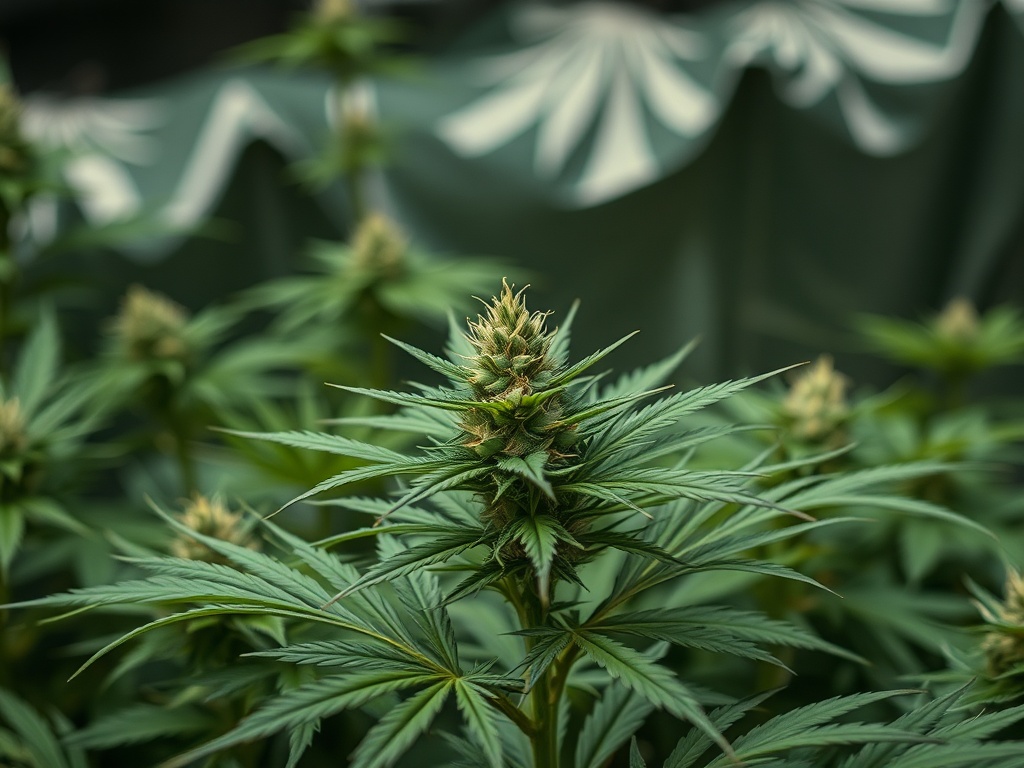
THC is the psychoactive compound responsible for the ‘high’ associated with recreational use. Conversely, CBD has garnered attention for its therapeutic qualities without the psychoactive effects. Both compounds interact with the body’s endocannabinoid system, but their effects are markedly different. This distinction is vital in the ongoing conversation about the medicinal applications of cannabis.
The rising popularity of CBD infused products signifies a paradigm shift in the wellness industry. CBD provides a natural and holistic approach to dealing with common health issues such as anxiety, sleep disorders, and chronic pain. It’s available in various forms such as oils, edibles, topicals, and capsules, giving consumers a broad spectrum of options to choose from based on their preferences and needs.
Research on the efficacy of cannabis in treating more severe conditions is in progress, with some compelling results already. For instance, cannabis-derived treatments are currently being used in managing epilepsy, multiple sclerosis, and symptoms associated with chemotherapy. As the body of evidence grows, the potential for cannabis-derived therapies continues to expand, offering hope for those battling complex health issues.
The current landscape of legal regulations surrounding cannabis is also evolving. More and more countries and states are decriminalizing or legalizing cannabis, either for medical or recreational use, or both. This development is fostering a conducive environment for further research and development in the cannabis sector, as well as encouraging responsible use among consumers.
While the positives are substantial, it’s crucial to note potential downsides. For instance, misuse or overuse of THC can lead to dependency issues and adverse mental health effects.
It’s essential for consumers to understand these risks and use cannabis responsibly. Additionally, the long-term effects of using cannabis-derived products are still not entirely understood, and more research is necessary.
In the realm of agriculture, cannabis poses an exciting opportunity for farmers. The growth of the cannabis industry has sparked an interest in large-scale, sustainable cultivation practices. The aim is to balance the surging demand for cannabis products with the need to preserve biodiversity and ecosystems.
Recently, cannabis has also begun to infiltrate the beauty industry. Cannabis-infused skincare products promise to deliver anti-inflammatory, moisturizing, and anti-aging benefits.
The antioxidant properties of CBD are being harnessed in serums, creams, and oils, promising healthier, glowing skin.
The cannabis revolution is upon us, transforming perceptions and industries alike. While the journey is still unfolding, the potential and possibilities seem boundless. As we continue to explore and understand this multifaceted plant, it’s clear that cannabis’s story is only just beginning. Its place in health, wellness, and beyond is set to redefine how we perceive and utilize this once stigmatized plant.