In recent times, the world has seen a surprising shift in the perspective surrounding cannabis. Once condemned and associated solely with counterculture, the plant has now emerged as a popular player in the global wellness industry. This can be largely attributed to the ongoing scientific research that continues to unveil the myriad potential health benefits of this versatile plant.
Cannabis is most celebrated for its two primary compounds, Cannabidiol (CBD) and Tetrahydrocannabinol (THC). While THC is known for its psychoactive effects, it’s CBD that has recently been garnering significant attention within the wellness community. This non-psychoactive compound is being hailed for its potential therapeutic applications, with numerous studies backing its efficacy in managing symptoms associated with various health conditions.
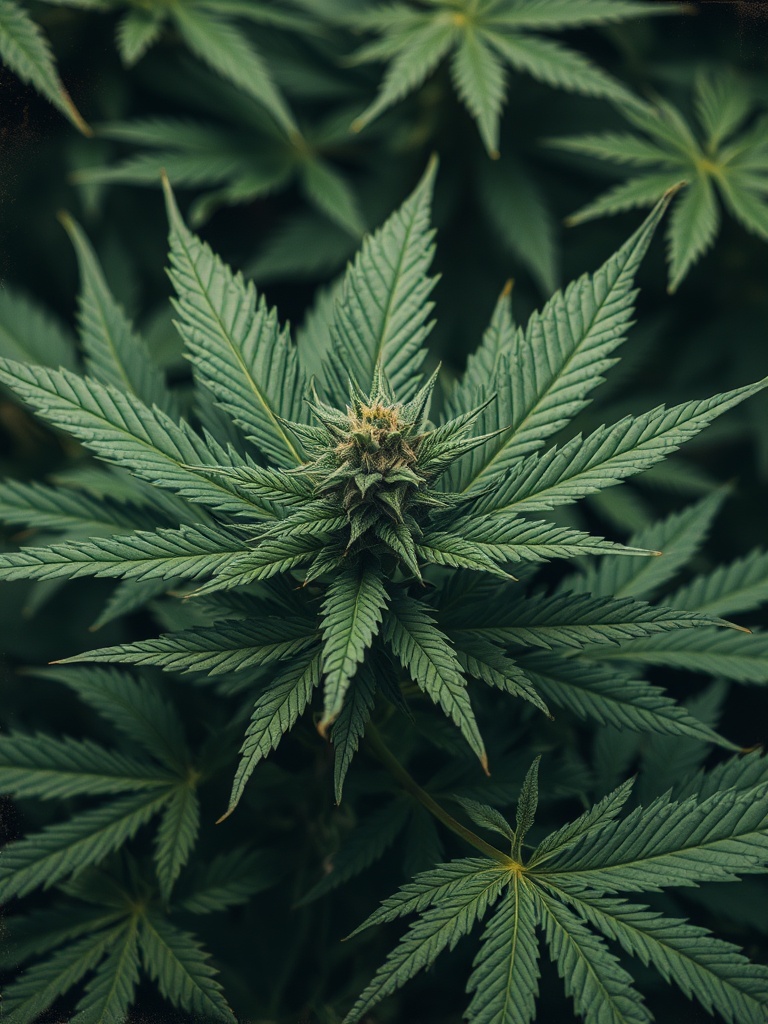
Several wellness brands today are incorporating CBD into their products, touting its potential benefits for anxiety, pain management, and sleep disorders.
These CBD-infused products range from skincare creams and balms to tinctures, capsules, and even edibles like gummies and chocolates. As such, the global appeal of CBD is continually expanding, reaching beyond its traditional user base.
Meanwhile, the use of THC in the wellness industry is slightly more controversial due to its psychoactive properties. However, in regulated doses, it has also shown promise in easing certain health conditions, including chronic pain, glaucoma, and nausea induced by chemotherapy. As a result, a growing number of countries and states are reassessing their stance on the medicinal use of cannabis, leading to an increased demand for THC-infused wellness products.
In addition to CBD and THC, cannabis also contains a host of other lesser-known but equally significant compounds known as cannabinoids. Scientists have discovered over a hundred different cannabinoids to date, each with its own potential therapeutic benefits.
Consequently, the scope of cannabis within the wellness industry is vast and largely untapped, allowing for future exploration and innovation.
However, while the cannabis wellness boom is undeniably exciting, it’s important to note that not all products on the market are equally effective or safe.
The lack of regulation and standardization in some regions means that the quality of cannabis products can greatly vary. Therefore, consumers should exercise caution and do their due diligence when purchasing these products. Look for brands that provide third-party lab results, use organic, locally-sourced cannabis, and offer transparency about their extraction methods.
Moreover, it’s crucial to bear in mind that while cannabis shows great promise in promoting wellness, it’s not a one-size-fits-all solution.
Just like any other wellness product, its effects can vary from person to person. Thus, it’s recommended to consult with a healthcare provider before incorporating cannabis into one’s wellness routine, particularly for those with pre-existing conditions or those currently on medication.
All in all, as research continues to unfold the potential of cannabis in promoting wellness and managing various health conditions, the plant’s role in the wellness industry is set to evolve even further.
However, the key to leveraging its benefits lies in responsible use, backed by thorough research and consultation. This, in turn, is contingent on the continued efforts of scientists, lawmakers, and industry players, who together can ensure that the potential of cannabis is harnessed responsibly and effectively.