CBD oil keeps growing in popularity as more people look for natural options to support sleep, stress, and everyday aches. Understanding what CBD is, how it works, and how to choose a high-quality product makes the difference between a positive experience and wasted money.
What CBD oil does
CBD (cannabidiol) interacts with the body’s endocannabinoid system, a network that helps regulate mood, sleep, pain perception, and immune response. Unlike THC, CBD does not produce a psychoactive “high.” Research and clinical reports suggest CBD may help reduce anxiety symptoms, improve sleep quality for some people, and provide relief for certain types of pain and inflammation. There’s also an FDA-approved medication that uses CBD for specific seizure disorders, which underscores the compound’s therapeutic potential.
Types of CBD oil
– Full-spectrum: contains CBD plus trace cannabinoids, terpenes, and up to legal-limit THC — believed to provide an “entourage effect.”
– Broad-spectrum: includes multiple cannabinoids and terpenes but typically has non-detectable THC.
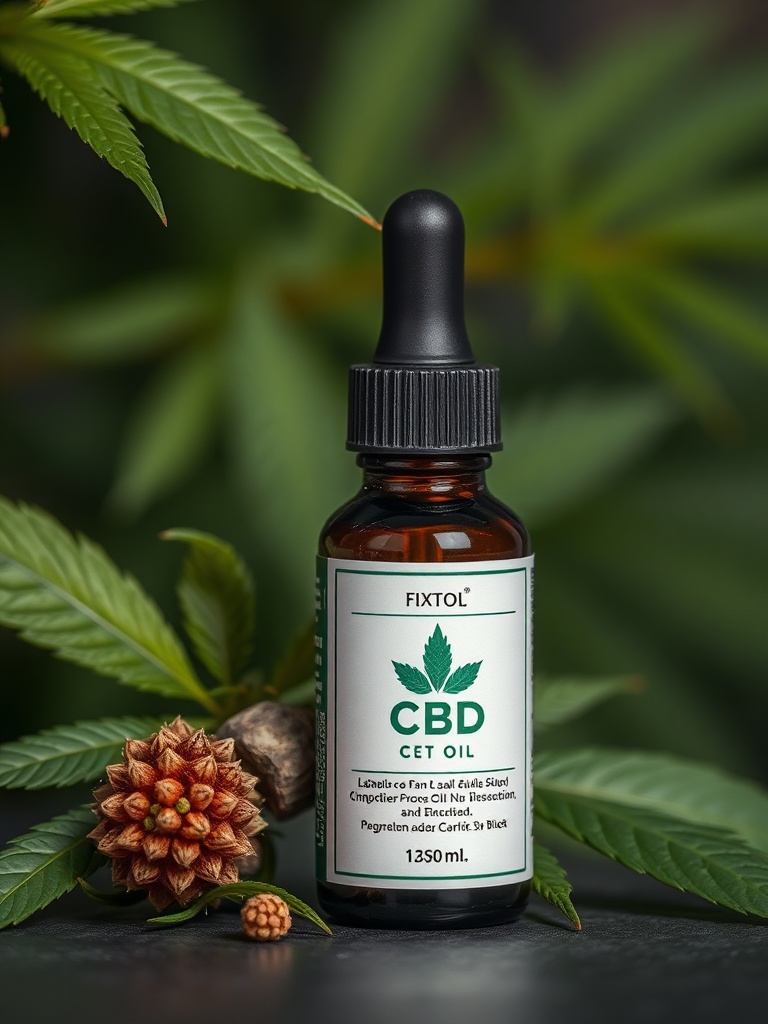
– CBD isolate: pure CBD with no other cannabinoids or terpenes.
Carrier oils matter — common choices are MCT (fractionated coconut oil), hemp seed oil, or olive oil — and they influence absorption and taste.
Safety, side effects, and drug interactions
CBD is generally well tolerated, but side effects can include dry mouth, drowsiness, diarrhea, and appetite changes. CBD can interact with medications that are metabolized by the liver enzyme system CYP450 (examples include certain blood thinners and anti-seizure drugs). If you take prescription medications, check with a healthcare provider before starting CBD.
Dosing guidance
There’s no one-size-fits-all dose.
A practical approach is “start low and go slow”: begin with a low dose, monitor effects for several days, and increase gradually. Many people find benefit at modest doses (for example, single-digit to mid-double-digit milligrams daily), while others use higher amounts for more pronounced effects. For targeted conditions like sleep or chronic pain, some people increase dose in the evening or split doses through the day. Always err on the side of caution and consult a clinician for personalized guidance.
How to choose quality CBD oil
– Third-party lab testing (Certificate of Analysis): verify potency and confirm absence of contaminants (heavy metals, pesticides, residual solvents).
– Clear labeling: product should list CBD content per serving and total milligrams per bottle.
– Extraction method: CO2 extraction is considered clean and efficient.
– Hemp source: reputable brands disclose the farm location and cultivation practices; organic hemp reduces pesticide risk.
– Transparent company: look for brands with accessible customer service, clear return policies, and visible manufacturing standards.
– Know the THC limit: in many places, hemp-derived CBD must contain no more than 0.3% THC; local laws vary, so check regulations where you live.
Delivery methods and use cases
– Tinctures/oils (sublingual): fast onset and easy dose control.
– Capsules and gummies: convenient for consistent dosing and travel.
– Topicals: targeted relief for sore muscles and joints; minimal systemic absorption.
– Vaping: faster onset but carries respiratory risks; choose with caution.
Final considerations
CBD oil can be a useful tool for managing everyday stress, sleep disruptions, and mild pain when chosen and used responsibly. Look for transparent testing, start with a low dose, and consult a healthcare professional if you’re on medications or have a chronic condition. With careful selection and realistic expectations, CBD oil can be part of a balanced wellness approach.