CBD oil remains a popular natural supplement for people exploring options to support sleep, stress management, pain relief, and overall wellness. With growing consumer interest, it’s important to know how CBD works, how to choose a high-quality product, and how to use it safely.
What is CBD oil?
CBD (cannabidiol) is a non-intoxicating compound found in the hemp plant. CBD oil typically combines a CBD extract with a carrier oil such as MCT or hemp seed oil.
Products vary by cannabinoid profile: full-spectrum contains CBD plus other cannabinoids and terpenes (including trace THC within legal limits), broad-spectrum removes THC while retaining other compounds, and CBD isolate is pure CBD.
Potential benefits and evidence
Research and user reports suggest CBD may help reduce feelings of stress, improve sleep quality for some people, and provide localized relief when applied topically. Clinical evidence is strongest for specific medical uses of certain CBD formulations; for general wellness, studies show promising but mixed results. Expect outcomes to vary by individual, product quality, dose, and route of administration.
How to choose quality CBD oil
– Third-party lab testing: Look for a Certificate of Analysis (COA) from an independent lab showing cannabinoid potency and absence of contaminants (pesticides, heavy metals, residual solvents).
– Extraction method: CO2 extraction is often preferred because it preserves a broad range of cannabinoids and terpenes without solvent residues.
– Ingredient transparency: Check the label for clear CBD content (mg total and mg per serving), carrier oil, and full ingredient list.
– Reputation and reviews: Brands with transparent sourcing, clear COAs, and responsive customer service are preferable.
Dosage and administration
Start low and go slow. Begin with a low dose—many people start with a small daily amount and increase gradually until they notice effects. Factors that influence dose include body weight, metabolism, the condition being targeted, and product potency. Common delivery methods:
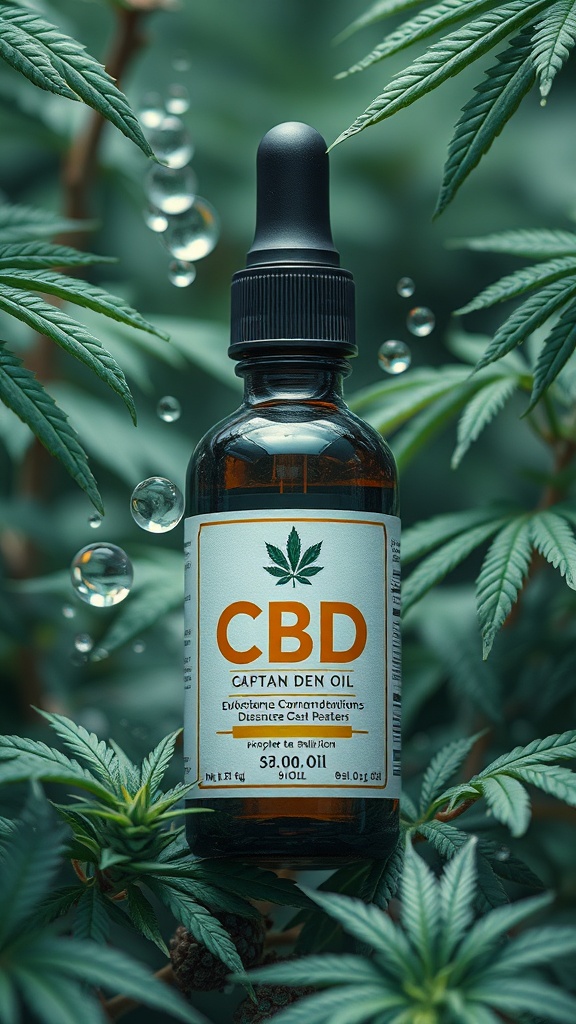
– Sublingual tinctures: Fast absorption under the tongue, useful for general effects.
– Edibles and capsules: Longer onset and longer-lasting effects due to digestion.
– Topicals: Lotions and balms for targeted, localized relief without systemic effects.
– Vaping/inhalation: Rapid onset but carries respiratory risks; not recommended for everyone.
Safety and interactions
CBD is generally well tolerated, but it can interact with certain medications by affecting liver enzymes (CYP450 system). Consult a healthcare provider before starting CBD if you take prescription medications, especially blood thinners or drugs with a narrow therapeutic window. Avoid CBD if pregnant or breastfeeding unless advised by a clinician. Common mild side effects can include drowsiness, dry mouth, and changes in appetite.
Legal considerations
Legal status varies by location. Many hemp-derived CBD products contain trace amounts of THC below local legal limits, but laws differ—check local regulations before purchasing or carrying CBD products.
Practical tips
– Verify potency and serving size on the label.
– Store products away from heat and light.
– Keep a usage journal to track dose, timing, and effects.
– Choose products with clear customer support and return policies.
CBD oil can be a useful part of a wellness routine when chosen and used responsibly.
Prioritize quality, consult a healthcare professional for personalized advice, and adjust dosage patiently to find what works best for you.