CBD oil: practical guidance on benefits, safety, and how to choose the right product
CBD oil continues to attract attention for its potential to support wellness, manage discomfort, and promote sleep and calm. Understanding what CBD can — and can’t — do, plus how to pick a safe product, helps anyone make smarter choices.
What CBD is and how it works
Cannabidiol (CBD) is a non-intoxicating compound found in hemp and cannabis plants. It interacts with the body’s endocannabinoid system and other signaling pathways, which may help regulate pain, mood, and sleep. Unlike THC, CBD does not produce a high at typical doses.
Evidence and common uses
Strong evidence exists for CBD’s use in certain seizure disorders under medical supervision. For other uses such as anxiety, chronic pain, and insomnia, research is growing but remains mixed. Some people notice meaningful benefits for anxiety reduction and better sleep; clinical trials of higher methodological quality are still emerging to confirm consistent effects and optimal dosing.
Types of CBD products
– Full-spectrum: contains CBD plus other cannabinoids, terpenes, and trace THC.
The so-called “entourage effect” is often cited to explain broader therapeutic potential.
– Broad-spectrum: retains multiple cannabinoids and terpenes but is processed to remove detectable THC.
– CBD isolate: pure CBD with no other cannabinoids or terpenes.
Delivery formats include oils/tinctures, capsules, gummies, topicals, and vapes. Oils and tinctures placed under the tongue tend to offer faster absorption than edibles, while topicals target localized discomfort. Vaping offers rapid effects but carries respiratory and product-quality concerns.
Choosing a safe, effective product
– Look for third-party lab reports (Certificates of Analysis). These should confirm CBD potency and test for pesticides, heavy metals, residual solvents, and microbial contaminants.
– Prefer CO2-extracted oil; it’s a cleaner, more controlled method than some solvent-based processes.
– Check the cannabinoid profile to confirm whether the product is full-spectrum, broad-spectrum, or isolate.
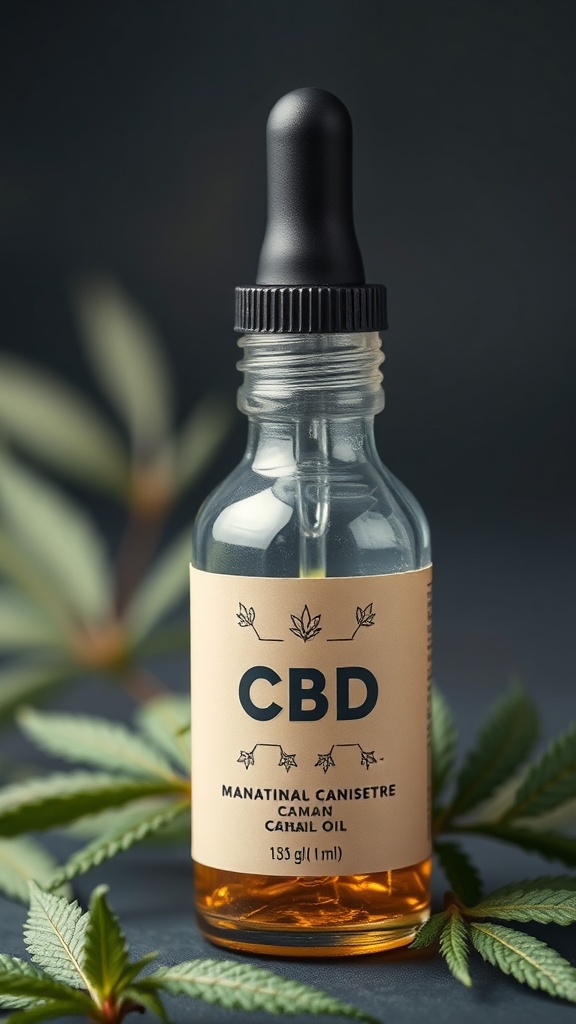
– Examine the carrier oil (MCT oil and hemp seed oil are common) and ingredient list for unnecessary additives or high sugar in gummies.
– Purchase from reputable brands that provide clear dosing information and transparent sourcing.
Dosing: start low and go slow
Individual response to CBD varies. Begin with a low dose—many people start around a small single-digit to low-double-digit milligram range once or twice daily—then increase gradually while tracking effects and side effects. Patience matters; allow several days to assess changes at a given dose. For significant medical conditions, dosing should be supervised by a clinician.
Safety and interactions
CBD is generally well tolerated, but side effects can include dry mouth, drowsiness, digestive upset, and appetite changes. CBD can affect liver enzymes and interact with medications metabolized by the cytochrome P450 system, including blood thinners and certain antiepileptic drugs. Avoid CBD during pregnancy or breastfeeding unless directed by a healthcare provider.
Final considerations
CBD oil has promising applications but isn’t a magic bullet. Prioritize quality, transparency, and realistic expectations.
When used thoughtfully—starting with conservative dosing, verifying third-party testing, and consulting a healthcare professional when needed—CBD can be a useful option within a broader wellness plan.