Understanding Modern Cannabis: How to Choose, Use, and Stay Safe
Cannabis products have evolved far beyond simple flower. Today’s marketplace includes a wide range of options—edibles, tinctures, concentrates, topicals, and vapable extracts—each with unique effects, onset times, and risk profiles. Whether you’re exploring cannabis for wellness or recreational use, understanding potency, product labels, and safe consumption can help you make informed choices.
Types of cannabis products
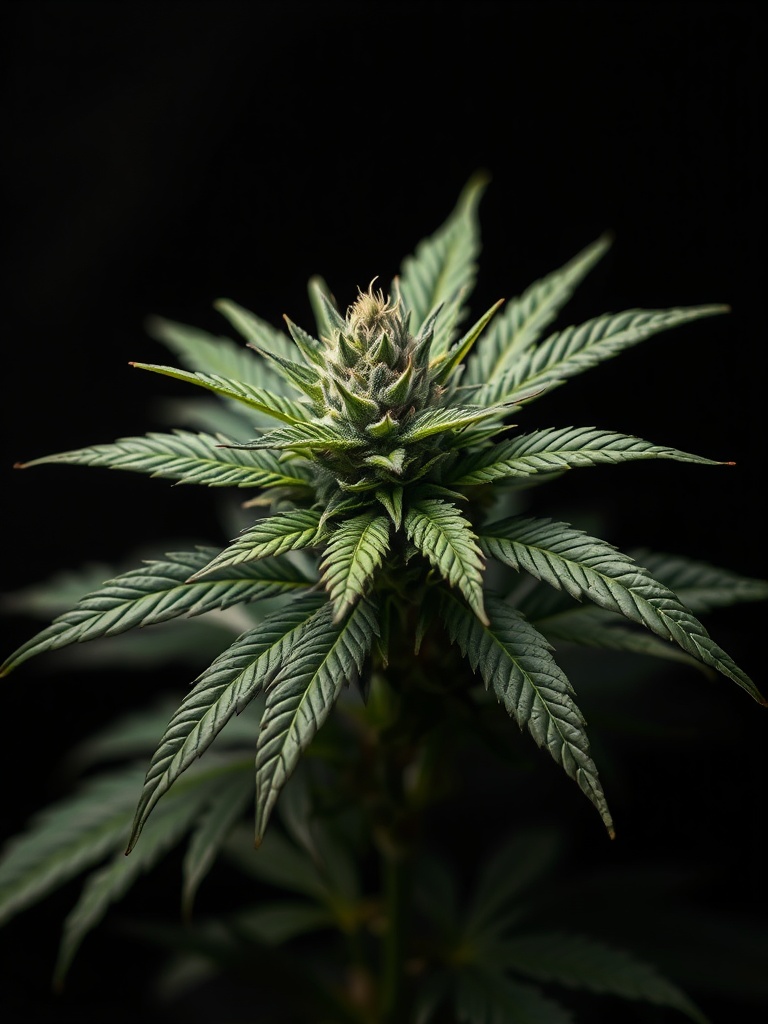
– Flower: Traditional smoked or vaporized cannabis. Onset is fast and effects are relatively easy to dose with experience.
– Edibles: Foods and beverages infused with THC, CBD, or both. Onset is delayed and effects last longer, so start low and wait before consuming more.
– Concentrates: Highly potent extracts like shatter, wax, and live resin.
These offer strong effects and require careful dosing.
– Vapes: Cartridge-based or disposable devices delivering vaporized cannabinoids. Quality and lab-testing are important to minimize contaminants.
– Tinctures & sublinguals: Liquid extracts absorbed under the tongue for faster onset than edibles but slower than inhalation.
– Topicals: Creams and balms targeted for localized relief, often used for pain or inflammation without psychoactive effects.
Reading labels and understanding potency
Labels now typically list THC and CBD content in milligrams and percent potency.
For inhaled products, potency is often expressed as a percentage of THC by weight; for edibles and tinctures, look for milligrams per serving. Common guidance:
– New or occasional users: Microdoses (1–2.5 mg THC) or low doses (2.5–5 mg THC).
– Intermediate users: Moderate doses (5–10 mg THC).
– Experienced users: Higher doses, adjusted by tolerance.
Terpenes and entourage effects
Terpenes are aromatic compounds that influence flavor and may modulate effects. Myrcene, limonene, and linalool are frequently referenced for their calming, uplifting, or relaxing qualities. Look for lab reports that list terpene profiles to match a product to desired effects.
Safety, quality, and lab testing
Seek products with third-party lab certificates of analysis (COAs) showing cannabinoid potency and testing for pesticides, heavy metals, residual solvents, and microbial contaminants. Avoid products without transparent lab data. For vaping, choose manufacturers that disclose ingredients and manufacturing practices to reduce the risk of harmful additives.
Dosing tips and timing
– Start low and go slow: Especially with edibles and concentrates, patience prevents unintended overconsumption.
– Keep a consumption journal: Track product, dose, onset time, and effects to refine personal dosing.
– Wait-at-least rule: After consuming an edible, wait at least two hours before taking more; effects can continue to build.
– Microdosing: Small, regular low doses can provide symptom relief for some without strong psychoactive effects.
Interactions and precautions
Cannabis can interact with prescription medications, especially those metabolized by certain liver enzymes. Consult a healthcare professional if you take anticoagulants, anticonvulsants, or other drugs with narrow therapeutic windows. Avoid mixing cannabis with alcohol or sedatives. Do not drive or operate heavy machinery while impaired.
Storage and freshness
Store cannabis products in a cool, dark, airtight container away from children and pets. Proper storage preserves terpene and cannabinoid integrity and prevents mold or degradation.
Choosing the right product
Decide whether psychoactive effects are desired.
For symptom relief without intoxication, look for high-CBD, low-THC formulations or topical applications. If seeking stronger psychoactive experiences, prioritize lab-tested flower or responsibly produced concentrates and always match dosing to experience level.
Being informed leads to safer, more satisfying experiences.
Prioritize reputable brands, transparent testing, and conservative dosing to enjoy cannabis responsibly.