CBD oil remains one of the most searched-for natural wellness products.
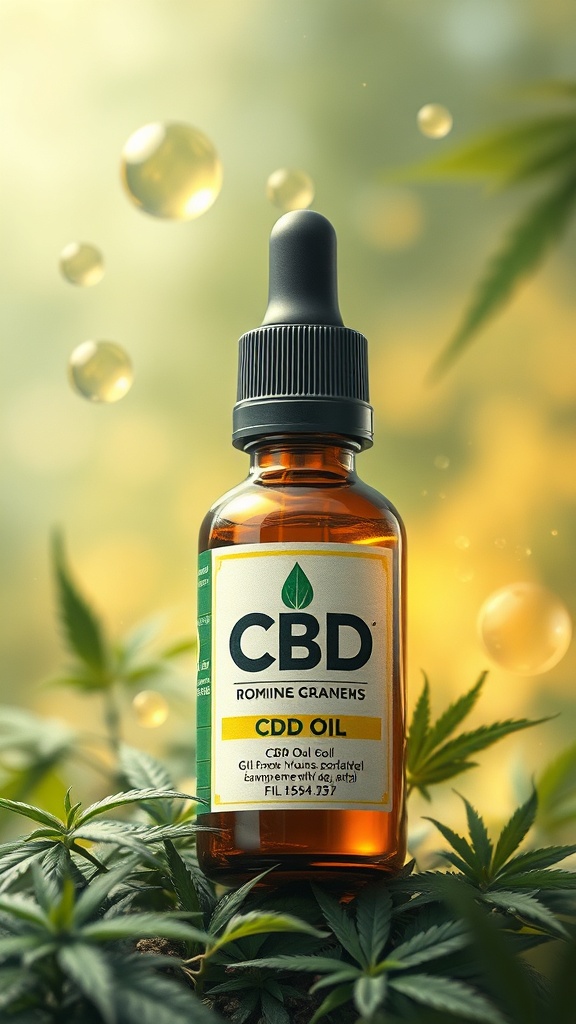
With more people curious about its potential uses, knowing how CBD works, how to choose a quality product, and how to use it safely helps you make informed decisions.
What CBD is and how it works
CBD (cannabidiol) is a compound derived from hemp plants that interacts with the body’s endocannabinoid system, a network involved in sleep, mood, appetite, and pain regulation. Unlike THC, CBD is not intoxicating at typical doses. Research suggests CBD may support relaxation, better sleep quality for some people, and relief from occasional discomfort, but results vary and definitive clinical outcomes depend on condition and individual factors.
Types of CBD products
– Full-spectrum: contains CBD plus other hemp compounds, including trace amounts of THC (usually at or under legal limits).
Many users prefer full-spectrum for the so-called entourage effect—compounds working together.
– Broad-spectrum: includes multiple hemp compounds but is processed to remove detectable THC. A popular choice for those who want extra cannabinoids without THC.
– Isolate: pure CBD with no other cannabinoids or terpenes.
Best for users wanting only CBD.
Delivery methods and bioavailability
– Sublingual oils/tinctures: placed under the tongue for faster absorption than swallowed products. Often favored for dosing flexibility.
– Capsules and edibles: convenient and discreet, but they pass through digestion so effects take longer and bioavailability is lower.
– Vaping/inhalation: offers rapid onset but carries respiratory considerations; not recommended for everyone.
– Topicals: applied directly to the skin for localized relief without systemic effects.
How to choose a quality CBD oil
– Look for third-party lab reports (Certificates of Analysis, or COAs) that confirm cannabinoid potency and absence of contaminants (pesticides, heavy metals, residual solvents).
– Prefer products made with clean extraction methods; supercritical CO2 extraction is widely regarded as a high-quality technique.
– Check labeling for total CBD mg per bottle and per serving so you can dose consistently.
– Consider carrier oil: MCT (fractionated coconut oil) is common and supports absorption; hemp seed oil is also used for flavor and profile.
– Review terpene information if you want flavor and potential complementary effects.
Dosing basics and safety
Start low and go slow: begin with a small dose and increase gradually until you notice desired effects. Typical beginner ranges often fall into low tens of milligrams per day, but individual needs vary widely. Always follow product serving instructions.
Be aware of side effects and interactions: CBD can cause drowsiness, dry mouth, GI upset, and appetite changes for some people.
It can interact with medications metabolized by the CYP450 enzyme system—particularly blood thinners and certain seizure medications—so discuss use with a healthcare professional if you take prescription drugs.
Legal landscape and testing concerns
Many regions allow hemp-derived CBD products that contain no more than 0.3% THC, but local laws and workplace drug-testing policies vary. If avoiding THC for legal or employment reasons, choose broad-spectrum or isolate products and verify COAs that show non-detectable THC.
Storage and shelf life
Store CBD oil in a cool, dark place to maintain potency and terpene profile. Keep bottles tightly sealed and follow the manufacturer’s expiration guidance.
Final considerations
Quality and transparency matter more than marketing claims. Prioritize reputable brands that share lab results, clear dosing information, and ingredient lists.
If you’re considering CBD for a specific health concern, consult a healthcare professional to align your approach with any medications or medical conditions.