Cannabis is moving from niche counterculture to mainstream wellness and commerce. As public attitudes shift and research advances, consumers and businesses are navigating a rapidly evolving landscape of products, science, and regulations. Understanding the essentials—cannabinoids, consumption methods, safety, and market trends—helps anyone make informed choices.
What’s in the plant
The cannabis plant contains dozens of cannabinoids and hundreds of terpenes. THC and CBD remain the most familiar: THC produces the psychoactive effects many users seek, while CBD is non-intoxicating and is commonly used for wellness purposes. Beyond those, cannabinoids like THCA, CBG, and minor cannabinoids are drawing attention for their unique properties and potential benefits.
Terpenes such as myrcene, limonene, and linalool influence aroma and may modulate effects, a phenomenon often called the entourage effect.
Consumption methods and dosing
Available consumption methods include smoking, vaping, edibles, tinctures, topicals, and capsules. Each delivers cannabinoids differently:
– Inhalation (smoking or vaping) produces rapid onset and easier dose control.
– Edibles result in delayed onset and longer-lasting effects; start low and wait before redosing.
– Sublingual tinctures offer a middle ground for onset and control.
– Topicals and transdermals are used for localized relief without systemic intoxication.
Microdosing—using very small amounts to achieve subtle effects without impairment—is a growing approach among recreational and medical users. Regardless of method, begin with a low dose, especially with edibles, and keep records to find a predictable routine.
Safety and interactions
Cannabis can interact with medications, particularly those metabolized by liver enzymes.
It affects cognition, coordination, and reaction time; avoid driving or operating heavy machinery while impaired. Consume responsibly, store products securely away from children and pets, and be cautious with homemade preparations that can result in uneven doses.
Medical use and evidence
Clinical research continues to explore cannabis for pain management, spasticity, nausea, and anxiety-related symptoms. While some studies show promising outcomes, evidence varies by condition and product type. Patients considering cannabis for medical reasons should consult a healthcare professional to weigh potential benefits, risks, and interactions with existing treatments.
Market trends and industry shifts
The market has diversified beyond flower to include concentrates, standardized medical formulations, and designer cannabinoid products derived from hemp.
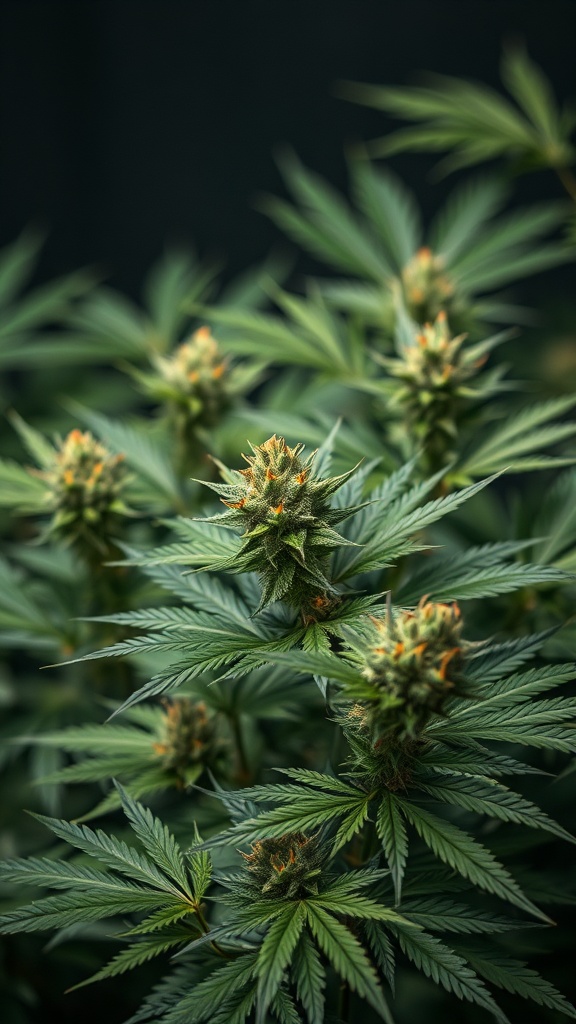
Craft cultivators emphasize unique strains, terpene profiles, and sustainable growing practices. Sustainability is becoming a priority across cultivation and processing—water-efficient cultivation, renewable energy, and circular packaging are gaining traction with conscientious consumers.
Regulation and consumer protection
Regulatory approaches differ widely by jurisdiction, affecting product quality, testing, labeling, and access. Look for products that have third-party lab testing for potency and contaminants like pesticides, heavy metals, and residual solvents. Clear labeling and QR codes linking to lab reports are signs of transparency from reputable brands.
Cannabis tourism and cultural integration
Cannabis-friendly travel, culinary experiences, and wellness retreats are increasingly common where regulations allow. These offerings cater to consumers seeking curated experiences, education, and safe consumption environments.
Final thoughts
Cannabis presents a complex mix of opportunity and responsibility.
Whether exploring cannabis for wellness, recreation, or professional reasons, prioritize informed choices: verify product quality, start with low doses, understand legal rules where you are, and consult healthcare providers when using cannabis alongside other medications. The landscape continues to mature, and staying informed ensures safer, more satisfying experiences.