Understanding cannabis: what to know before you buy
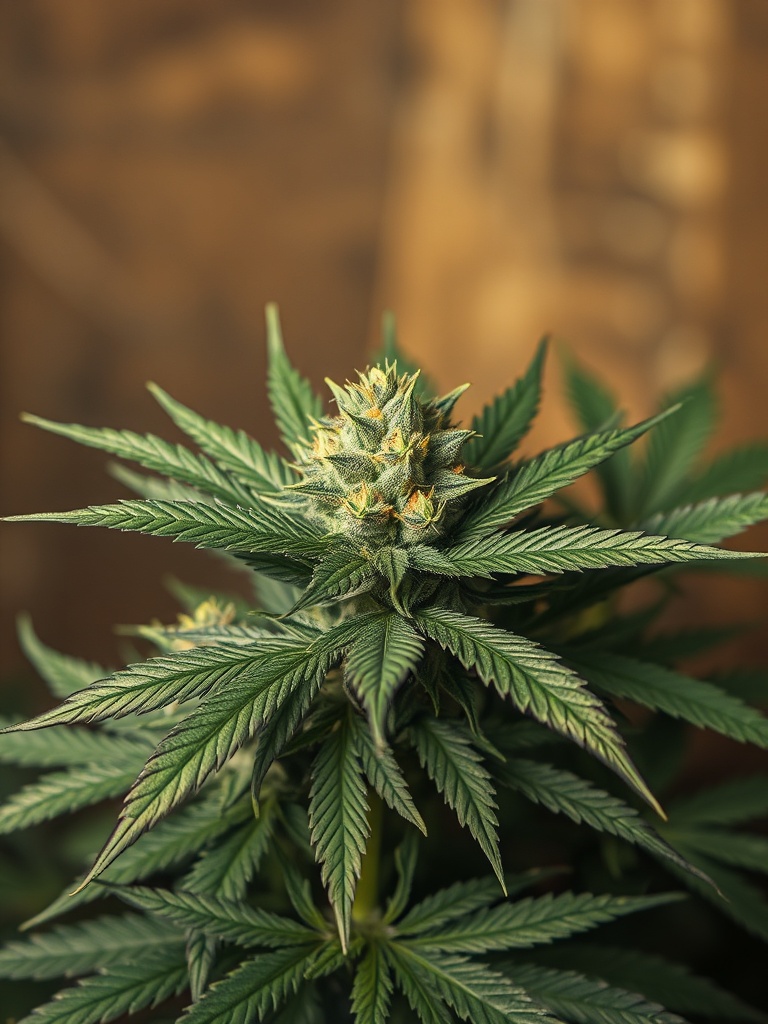
Marijuana (cannabis) is a complex plant with a wide range of products, from flower and concentrates to tinctures and edibles. Key components are THC (the primary psychoactive compound) and CBD (a non-intoxicating compound prized for therapeutic effects). Terpenes — aromatic molecules like myrcene, limonene, and linalool — influence aroma and may subtly shape the overall experience.
Choosing the right product
– Flower and vaping: Smoking or vaping delivers rapid onset and easier dose control. Flower offers a full-spectrum experience, while concentrates can contain very high THC levels and require more caution.
– Edibles: Effects take longer to begin but last much longer.
Start low and go slow — edible onset can be delayed, which leads some people to take more than intended.
– Tinctures and sublinguals: These offer intermediate onset and easier titration compared with edibles.
– Topicals: Used for localized relief without systemic intoxication in many cases.
Safe consumption and dosing
– Start low: For inexperienced users, a common starter edible dose is 2.5–5 mg THC. Microdosing (1–2.5 mg THC) can provide subtle effects without strong intoxication.
– Wait and reassess: With edibles, wait at least two hours before deciding to consume more. For inhaled forms, effects are typically felt within minutes and peak within an hour.
– Avoid mixing: Combining cannabis with alcohol or other sedatives increases impairment and risk of adverse effects.
– Responsible environment: Consume in a safe, comfortable setting and avoid driving or operating heavy machinery while impaired.
Health considerations and interactions
– Medical uses: Evidence supports cannabis or cannabinoids for certain conditions such as chronic pain, chemotherapy-related nausea, and some seizure disorders (specific CBD formulations). Benefits vary by condition and product.
– Risks: Cannabis can increase anxiety or induce paranoia in some users, especially at high THC levels. Heavy or frequent use can be associated with dependence or cognitive effects in vulnerable individuals.
– Drug interactions: CBD and other cannabinoids can interact with medications metabolized by liver enzymes (CYP450). Discuss use with a healthcare provider if you take prescription medications.
– Pregnancy and breastfeeding: Cannabis is not recommended during pregnancy or breastfeeding due to potential risks to fetal and infant development.
Quality, testing, and labeling
Choose products from licensed retailers that provide lab testing for potency and contaminants (pesticides, heavy metals, residual solvents). Third-party certificates of analysis (COAs) should be accessible and detail cannabinoid breakdown and terpene profiles. Be cautious with unregulated sources where product purity and potency are unknown.
Legal and workplace realities
Legal status varies by jurisdiction — know local laws for possession, purchase, and public consumption.
Workplace policies and employer drug testing often still screen for THC metabolites; CBD use does not guarantee a negative test because some CBD products contain trace THC.
Safe storage and harm reduction
Store cannabis products securely and out of reach of children and pets; use child-resistant packaging and clear labeling. If transitioning from tobacco or other substances, consider harm-reduction strategies and seek support when needed.
Final practical tips
Buy tested products, start with a low dose, wait to assess effects, and consult a clinician if using cannabis for medical reasons or if you take other medications. Staying informed about product types, dosing, and local rules helps ensure a safer, more predictable experience.