Marijuana continues to evolve from a counterculture product into a mainstream plant with wide-ranging uses, regulations, and consumer choices. Whether you’re curious about health applications, recreational options, or how to stay safe, understanding the basics helps you make informed decisions.
What marijuana contains
The plant’s effects come from cannabinoids and terpenes. THC is the primary psychoactive compound, while CBD provides non-intoxicating effects and is often used for wellness. Other cannabinoids such as CBG, CBN, and THCV are gaining attention for distinct properties and niche therapeutic potential. Terpenes—fragrant oils like myrcene, limonene, and pinene—contribute to aroma and may influence the overall experience through entourage effects.
Medical use and evidence
Marijuana-based therapies are applied for symptom management across conditions like chronic pain, nausea related to medical treatments, and certain seizure disorders.
Some cannabis-derived medications are approved for specific indications, and clinical studies continue to refine where cannabis is most effective. Discussing options with a healthcare professional is important because evidence varies by condition, and cannabis can interact with other medications via liver enzymes.
Consumption methods and effects
– Smoking and vaping deliver rapid onset and easier dose titration, but inhalation carries respiratory considerations. Using regulated products reduces the risk associated with illicit cartridges.
– Edibles produce a delayed, longer-lasting effect; start with a low dose and wait several hours before consuming more.
– Tinctures and sublinguals offer intermediate onset and flexible dosing.
– Topicals are used for localized relief without systemic intoxication.
– Concentrates provide high potency and are best reserved for experienced users.
Safety and responsible use
Start low and go slow, especially with edibles and high-THC products. Avoid combining cannabis with alcohol or sedatives.
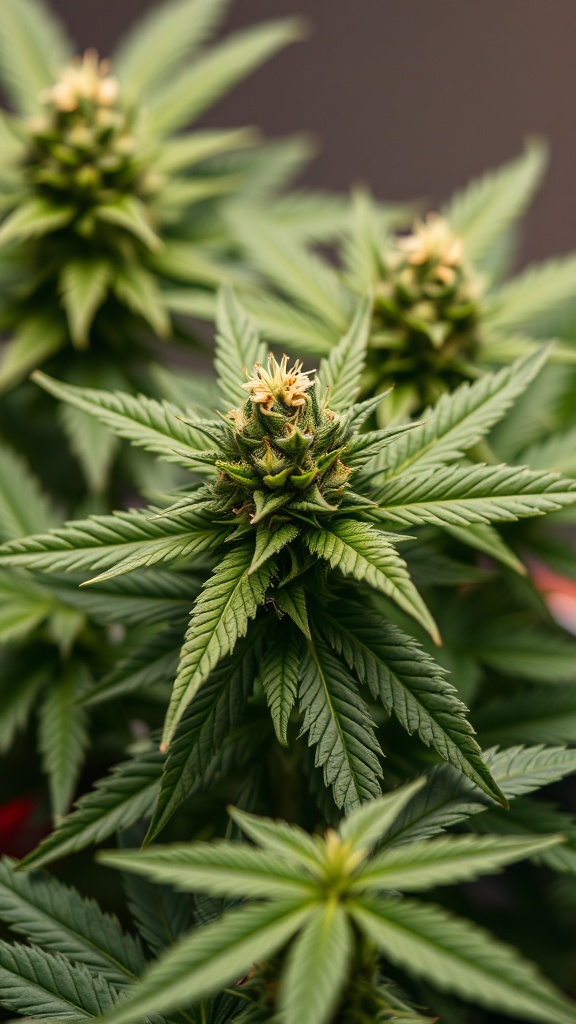
Do not drive or operate heavy machinery while impaired.
Keep products securely stored away from children and pets—edible packaging can be especially appealing and dangerous. Pregnant or breastfeeding individuals should avoid cannabis due to potential risks to fetal and infant development. Be mindful of mental health history; high-dose THC can exacerbate anxiety or psychosis in susceptible people.
Regulatory and industry landscape
Legal status varies widely: many jurisdictions offer medical access and adult-use legalization, while others maintain prohibition. This patchwork affects product quality standards, testing requirements, access to banking and insurance, and research availability. Regulatory frameworks that require third-party testing for potency and contaminants (like pesticides, heavy metals, and residual solvents) improve consumer safety—always choose tested products when possible.
Sustainability and cultivation
Indoor cultivation provides control over quality but can be energy-intensive.
Outdoor and mixed-light grows reduce energy footprints but depend on climate. Responsible growers focus on water conservation, integrated pest management, and reducing single-use plastics in packaging.
Choosing products wisely
Look for clear labeling of cannabinoid content, terpene profiles, and lab test certificates. Pay attention to dosage guidance and start with low-potency options if you’re inexperienced.
For medical use, work with a clinician who understands cannabis therapeutics.
By paying attention to source, dosing, and legal context, consumers can navigate marijuana products more safely and confidently while tapping into the plant’s therapeutic and recreational possibilities.