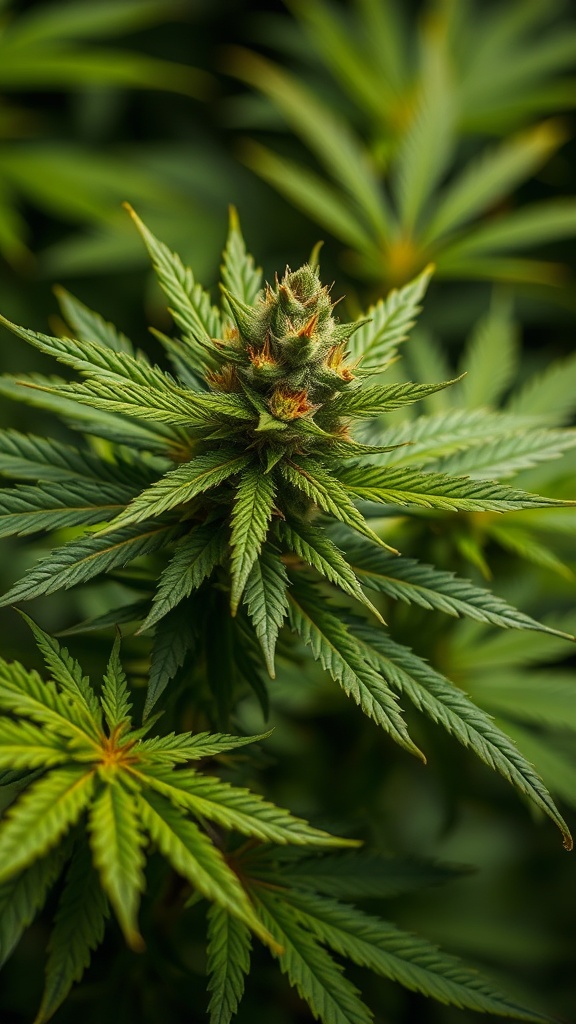
THC Explained: How It Works, Benefits, Risks, and Safer Use
Tetrahydrocannabinol (THC) is the primary psychoactive compound in cannabis that produces the familiar “high.” It interacts with the body’s endocannabinoid system, mainly by activating CB1 receptors in the brain and nervous system, which alters mood, perception, appetite, and pain signaling.
Understanding how THC works and how to use it safely helps people make informed choices for recreation or symptom relief.
How THC affects the body and mind
– Rapid effects after inhalation: Smoking or vaping delivers THC to the bloodstream and brain almost immediately, producing onset within minutes and peak effects within a short period.
– Delayed but often stronger oral effects: Edibles are metabolized into 11-hydroxy-THC, a compound that can be more potent and longer-lasting. Onset is slower and unpredictable for newcomers.
– Cognitive and sensory changes: THC commonly causes euphoria, altered time perception, sensory enhancement, and reduced short-term memory. Higher doses can cause anxiety, paranoia, or acute psychotic-like symptoms in vulnerable individuals.
– Physical effects: Increased heart rate, red eyes, dry mouth, and increased appetite are typical. THC may interact with cardiovascular conditions, so caution is warranted.
Medical uses and evidence
THC has recognized therapeutic actions, especially for nausea, appetite stimulation, certain pain conditions, and spasticity.
Some pharmaceutical preparations that contain THC or THC analogs are prescribed in jurisdictions where medical use is permitted.
Combining THC with CBD may moderate psychoactive effects and provide a broader therapeutic profile for some conditions.
Safety, dependence, and mental health
– Tolerance and withdrawal: Regular use can lead to tolerance and mild withdrawal symptoms such as irritability, sleep difficulties, and reduced appetite when use stops.
– Risk of addiction: A subset of users develop cannabis use disorder, characterized by loss of control and continued use despite negative consequences.
– Mental health risks: High-potency THC and early, heavy use are associated with increased risk of anxiety, depression, and psychosis in susceptible people.
Avoid THC if you have a personal or family history of psychotic disorders.
Practical dosing and harm reduction
– Start low, go slow: For oral products, begin with a low dose and wait sufficiently long before taking more. For inhalation, take small puffs and pause to assess effects.
– Know your product: Choose lab-tested cannabis products that list THC content and serving size. Avoid unregulated or counterfeit items, especially concentrates and synthetic cannabinoids sold under different names.
– Avoid mixing with alcohol or other sedatives, and never drive or operate machinery while impaired.
– Store securely away from children and pets; edibles can be appealing and dangerous if accidentally ingested.
Drug interactions and testing
THC is metabolized by liver enzymes and can interact with medications processed by the same pathways.
Blood pressure and heart rate changes can also affect people taking cardiovascular drugs. THC metabolites are detectable in bodily fluids; detection windows vary from days to several weeks depending on frequency of use and testing method. Employers or legal systems may still screen for THC.
Making an informed choice
THC can offer meaningful relief for some conditions and a desired recreational effect for others, but it’s not risk-free. Consider individual health status, family history, local legal frameworks, and product quality.
For medical use or if you have chronic health issues or are taking medications, a healthcare professional can help tailor safe, effective strategies.