CBD oil remains one of the most talked-about natural supplements for wellness. With growing consumer interest, it’s useful to understand what CBD oil is, how it works, and how to choose a high-quality product.
What is CBD oil?
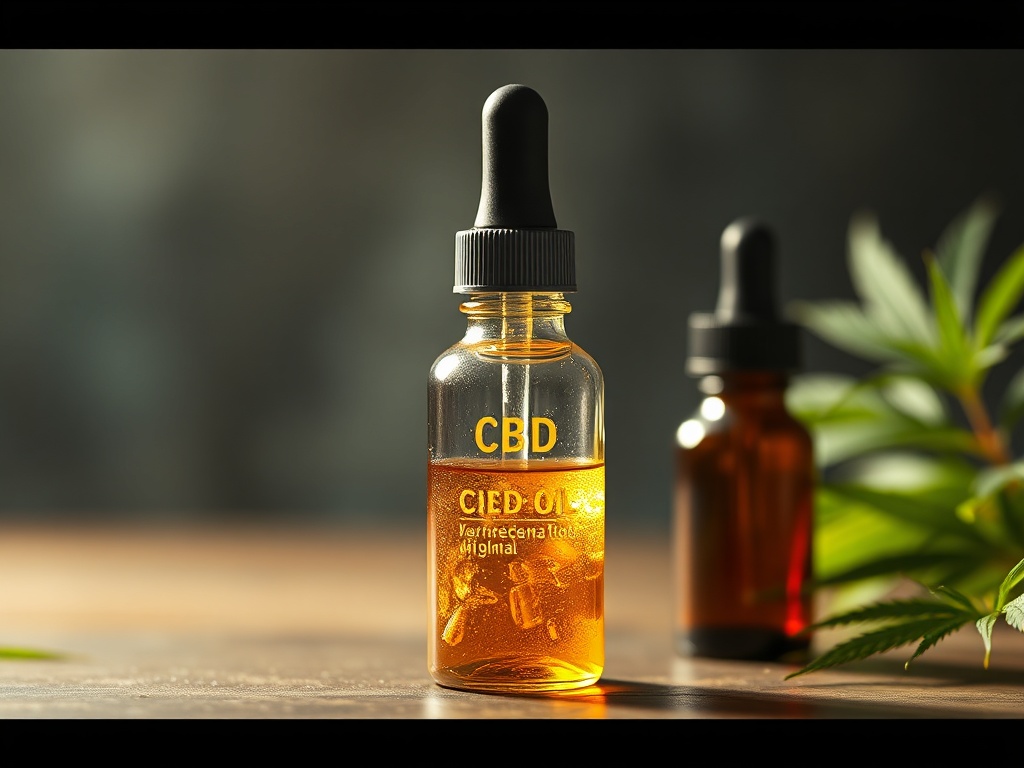
CBD (cannabidiol) is a non-intoxicating compound found in cannabis plants. CBD oil combines extracted cannabidiol with a carrier oil such as MCT, hemp seed, or olive oil to make it easier to dose and absorb. Unlike THC, CBD does not produce a “high” at typical doses.
Types of CBD oil
– Full-spectrum: contains CBD plus trace cannabinoids, terpenes, and small amounts of THC. Many users prefer full-spectrum products for the “entourage effect,” where multiple cannabis compounds may work synergistically.
– Broad-spectrum: includes CBD and other cannabinoids and terpenes but is processed to remove THC.
– CBD isolate: pure cannabidiol with no other cannabinoids or terpenes.
Potential benefits and evidence
Research suggests CBD may help with anxiety, sleep difficulties, and certain types of chronic pain, and there is strong clinical evidence for a prescription CBD medicine for specific seizure disorders. Much of the evidence for other uses is emerging and mixed—some studies show promising results, while others are inconclusive.
People often report reduced stress, improved sleep, and pain relief, but responses vary widely.
Safety, side effects, and interactions
CBD is generally well tolerated, but potential side effects include drowsiness, dry mouth, diarrhea, and changes in appetite or weight. CBD can interact with medications metabolized by the cytochrome P450 enzyme system—this includes certain blood thinners, antiepileptics, and others. Always consult a healthcare provider before combining CBD with prescription medications.
Dosage and routes of administration
Start low and go slow. Many people begin with a low daily dose and gradually increase until they achieve the desired effect.
Common methods of use:
– Sublingual tinctures: placed under the tongue for faster absorption and flexible dosing.
– Capsules and edibles: convenient and discreet, but slower onset due to digestion.
– Vaping: rapid onset but carries respiratory risks.
– Topicals: applied directly to the skin for targeted relief of muscle or joint discomfort.
Quality matters: what to look for
– Third-party lab testing (COA): Verify cannabinoid content, potency, and absence of contaminants (pesticides, heavy metals, residual solvents).
– Clear labeling: dosage per serving, total milligrams of CBD, and type (full/broad/isolated).
– Extraction method: CO2 extraction is widely regarded as clean and efficient.
– Transparent sourcing: hemp grown under regulated conditions and traceable supply chains indicate better quality.
– No unrealistic claims: be wary of products that promise cures or dramatic health outcomes.
Legality and regulation
Legal status varies by jurisdiction. Hemp-derived CBD with low THC content is legal in many places, but local laws differ—check regulations where you live. The FDA has approved a prescription CBD medication for certain seizure disorders and has not approved other CBD products for medical use, so manufacturers cannot legally market CBD as a treatment for most conditions.
Practical tips
Keep a usage log to track dose and effects, consult a healthcare professional about drug interactions, and buy from reputable brands that provide Certificates of Analysis. With careful selection and realistic expectations, CBD oil can be a useful component of a wellness routine for many people.