CBD oil continues to attract attention as people seek natural options for sleep, stress, pain relief, and general wellness. Understanding what CBD oil is, how it works, and how to choose a safe product helps you separate hype from helpful options.
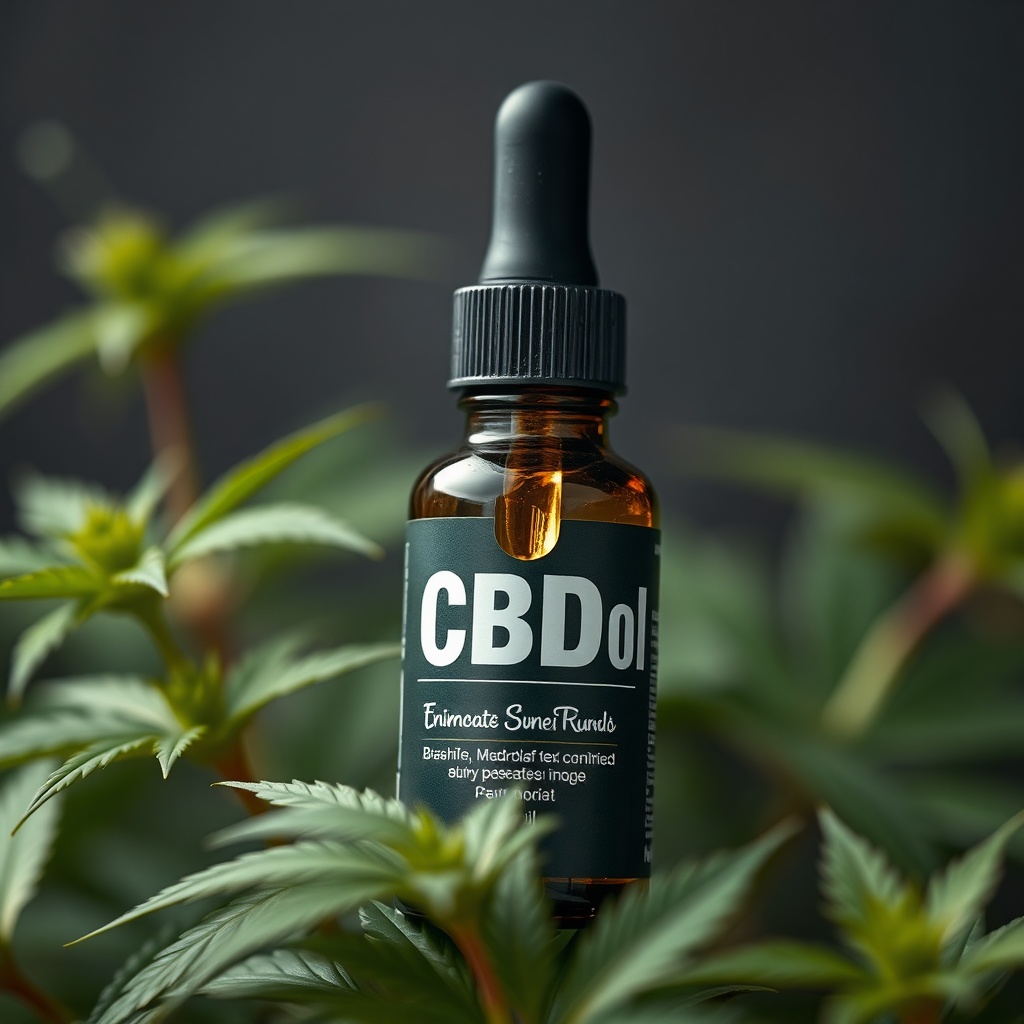
What is CBD oil?
CBD (cannabidiol) is a non-intoxicating compound found in hemp and cannabis plants. CBD oil typically combines a CBD extract with a carrier oil such as MCT, hemp seed oil, or olive oil.
Unlike THC, CBD does not produce a “high,” though products can contain trace THC depending on whether they’re full-spectrum or isolated.
Types of CBD oil
– Full-spectrum: contains CBD plus other cannabinoids, terpenes, and potentially trace THC. Supporters point to the “entourage effect,” where multiple plant compounds may work together for enhanced effects.
– Broad-spectrum: similar to full-spectrum but with THC removed.
– Isolate: pure CBD with no other cannabinoids or terpenes.
How it’s made
Extraction quality matters.
CO2 extraction is viewed as a clean, efficient method that preserves cannabinoids and terpenes.
Solvent-based extractions can be effective if done properly, but they require thorough purging to avoid residual solvents.
Forms and routes of use
– Tinctures (sublingual): placed under the tongue for relatively fast absorption.
– Capsules and softgels: convenient for consistent dosing but slower onset.
– Edibles and gummies: easy to take but go through digestion, delaying effects.
– Topicals: creams and balms applied to skin for localized support.
– Vaping: provides rapid onset but carries risks related to additives and device quality; exercise caution.
Safety, side effects, and interactions
CBD is generally well tolerated, though some people experience drowsiness, dry mouth, gastrointestinal upset, or appetite changes. CBD can affect liver enzymes, so people taking prescription medications—especially blood thinners—should consult a healthcare provider before use. Avoid use during pregnancy and breastfeeding unless advised otherwise by a clinician.
Lab testing and product quality
Label accuracy varies across the market.
Look for products with a Certificate of Analysis (COA) from an independent, reputable lab. A COA confirms CBD and THC content and screens for contaminants such as pesticides, heavy metals, and residual solvents. Transparent brands will make COAs easy to find.
Dosing basics
There is no universal dose. A practical approach is “start low and go slow”: begin with a low dose, monitor effects for several days, and adjust gradually.
Record how much you take and any changes in symptoms. If using for a specific health condition or alongside prescription medications, seek medical guidance.
Legal and workplace considerations
Legal status varies by location and can depend on whether a product is hemp-derived, its THC content, and local regulations. Even low-THC CBD products can sometimes trigger positive drug tests, so consider workplace policies before using.
Storage and shelf life
Store CBD oil in a cool, dark place away from heat and sunlight to help preserve potency. Many products indicate a best-by timeframe; unopened and properly stored products last longer.
Choosing a brand
Prioritize brands that disclose sourcing (hemp grown in regulated environments), use third-party testing, and provide clear dosing guidance.
Reputation, transparent manufacturing practices, and customer reviews can help identify reliable products.
For those curious about CBD oil, careful product selection, cautious dosing, and consultation with a healthcare professional when taking other medications can help you explore potential benefits while minimizing risk.