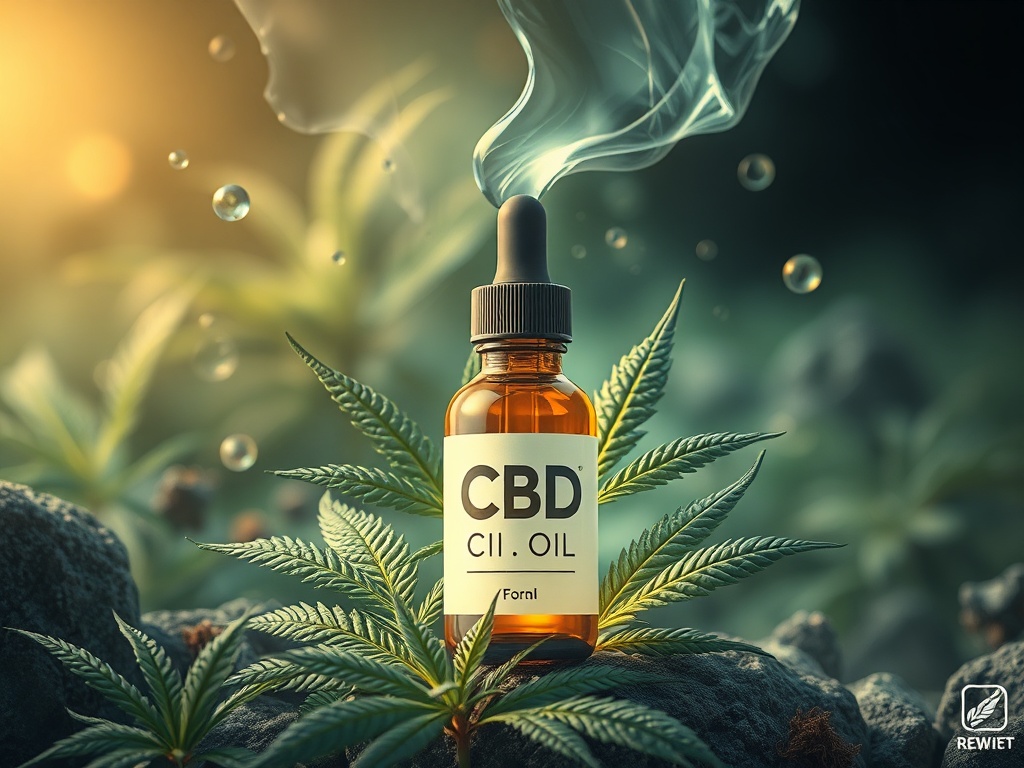
CBD oil is a widely used hemp-derived supplement taken for a variety of wellness goals. It contains cannabidiol (CBD), a non-intoxicating compound that interacts with the body’s endocannabinoid system.
People use CBD oil for general relaxation, sleep support, recovery after activity, and to manage everyday stress, though effects vary by individual.
What is CBD oil?
CBD oil is made by extracting CBD from hemp plants and blending it into a carrier oil such as MCT (fractionated coconut oil) or hemp seed oil.
Products range from pure CBD isolates to broad-spectrum and full-spectrum extracts that include additional cannabinoids and terpenes. Full-spectrum formulas may contain trace amounts of THC; broad-spectrum removes THC while preserving other compounds.
Types of CBD products
– Tinctures/oils: Liquid drops taken sublingually for relatively fast absorption.
– Capsules and softgels: Convenient, consistent dosing with slower onset.
– Edibles: Gummies and foods offer long-lasting effects but lower bioavailability.
– Topicals: Creams and balms applied to the skin for localized use.
– Vapes: Rapid absorption but carry inhalation risks and require caution.
How to read potency
Understanding potency helps you choose the right dose.
Calculate mg per milliliter: divide total CBD mg on the bottle by the bottle size in milliliters. Example: a 30 ml bottle labeled 900 mg CBD equals 30 mg per ml. Many people start with a low dose and gradually increase until they find an effective level.
Choosing a quality product
Quality varies widely across the market. Look for:
– Third-party lab testing (Certificate of Analysis) that confirms cannabinoid content and tests for pesticides, heavy metals, and residual solvents.
– Clear labeling with total CBD per bottle and per serving.
– Transparent sourcing—U.S./EU-grown hemp or clearly stated origin.
– CO2 extraction or other clean extraction methods; avoid products that list unknown solvents.
– Minimal, natural ingredients and a reputable brand with customer reviews.
Safety, interactions and side effects
CBD is generally well tolerated, but some people experience mild side effects such as drowsiness, dry mouth, or digestive upset.
CBD can interact with certain medications metabolized by the liver’s CYP450 enzyme system; individuals taking blood thinners, seizure medications, or other prescription drugs should consult a healthcare professional before use. Avoid products that make disease-treatment claims or promise unrealistic outcomes.
Usage tips
– Start low and go slow: begin with a small dose and increase gradually while tracking how you feel.
– For faster onset, hold tincture under the tongue for 30–60 seconds before swallowing.
– For longer-lasting effects, consider edibles or capsules.
– Keep a simple log of dose, time, and effects to identify an effective routine.
Storage and shelf life
Store CBD oil in a cool, dark place in a tightly sealed container. Properly stored, most oils retain potency for months; heat, light, and oxygen accelerate degradation.
Regulatory landscape
Regulation varies by location and is evolving. Seek products that follow current hemp regulations in your region and avoid brands that make unverified health claims.
When in doubt, prioritize transparency, lab testing, and a cautious approach.
Choosing and using CBD oil wisely—focusing on quality, clear labeling, and appropriate dosing—helps maximize the chances of a positive experience while minimizing risk.