The cannabis landscape is evolving rapidly, shaped by shifting laws, new research, and consumer demand for safer, more transparent products. Whether you’re exploring cannabis for wellness, recreational use, or cultivation, understanding the basics helps you make better choices and reduces risks.
Understanding cannabinoids and terpenes
Cannabis contains dozens of cannabinoids—the most recognized are THC and CBD. THC is the primary psychoactive compound, responsible for the “high,” while CBD is non-intoxicating and sought for potential calming and anti-inflammatory effects.
Other cannabinoids like CBG and CBC are gaining attention for their unique profiles. Terpenes are aromatic compounds that influence flavor and may modulate effects; for example, myrcene can promote relaxation while limonene often imparts an uplifting citrus note.
The interplay of cannabinoids and terpenes, often called the entourage effect, suggests whole-plant products can produce different outcomes than isolated compounds.
Choosing the right product
Products now span smoked flower, vaporizable concentrates, tinctures, edibles, topicals, and transdermal patches. Start by identifying your goal: symptom relief, relaxation, creativity, or sleep.
For beginners, low-dose, balanced CBD:THC products or microdosed edibles can be a gentler introduction. Lab-tested products with clear cannabinoid and contaminant reports reduce the risk of unexpected potency or pesticide exposure. Look for third-party lab certificates of analysis (COAs) and avoid unregulated sources.
Safe dosing and consumption
Dosing varies widely by individual factors like body chemistry, tolerance, and method of consumption. Smoking or vaping provides fast onset and easier titration, while edibles have delayed onset and longer duration—start low and wait longer than you think before taking more. Keep products clearly labeled and out of reach of children and pets. If mixing with alcohol or prescription medications, consult a healthcare professional to assess interactions.
Medical uses and evidence
Cannabis-based therapies are commonly used for chronic pain, nausea associated with certain treatments, spasticity, and seizure disorders. Evidence quality varies by condition and product; whole-plant preparations and specific cannabinoid combinations may be more effective in some cases. Always discuss cannabis use with a healthcare provider, especially if you have underlying health conditions or take other medications.
Cultivation basics and sustainability
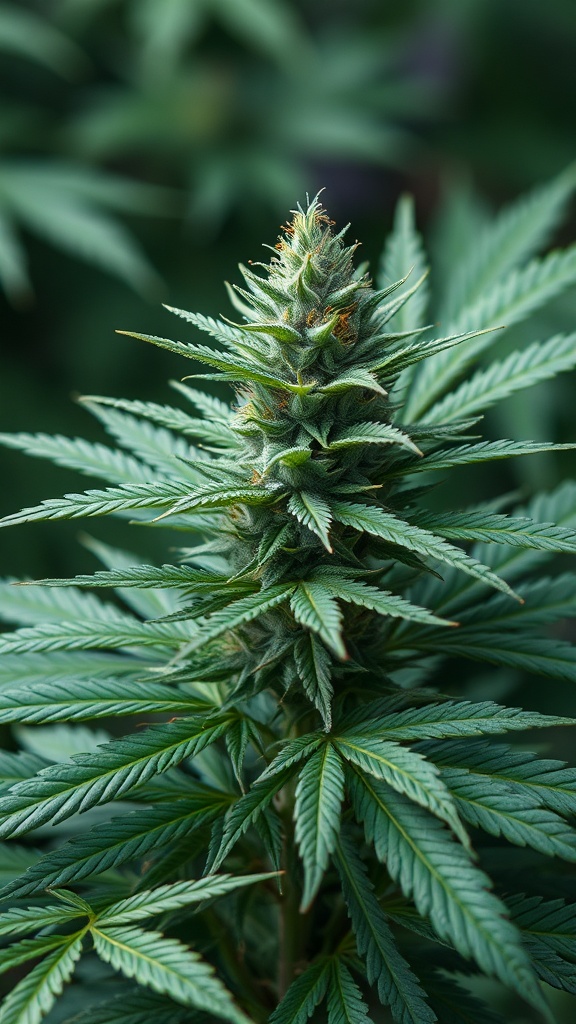
Home cultivation is accessible for many people, but success depends on light, ventilation, nutrients, and pest management. Indoor grows offer control over environment and quality but can be energy-intensive. Consider energy-efficient LED lighting, organic soils, and integrated pest management to minimize environmental impact. Hemp cultivation remains a promising crop for sustainable applications, from fiber to phytoremediation.
Regulatory and social considerations
Regulations vary by location, affecting possession limits, retail access, and home cultivation. Compliance helps avoid legal risk and supports safer marketplaces. Social equity and restorative justice remain central topics as communities address past harms from prohibition.
Choosing businesses that support fair hiring practices and community reinvestment can amplify positive change.
Staying informed
Science and policy around cannabis continue to advance. Rely on reputable sources—peer-reviewed studies, licensed dispensaries with transparent testing, and medical professionals—to guide decisions.
Prioritize safety, start with low doses, and choose lab-tested products to enjoy cannabis responsibly and effectively.