CBD oil continues to attract attention for its potential wellness benefits, wide range of product formats, and evolving regulation. Whether you’re curious about using CBD for stress, sleep, or localized relief, knowing how it works, how to choose quality products, and how to dose safely will help you get the best results.
What is CBD oil?
CBD (cannabidiol) is a non-intoxicating compound found in hemp plants.
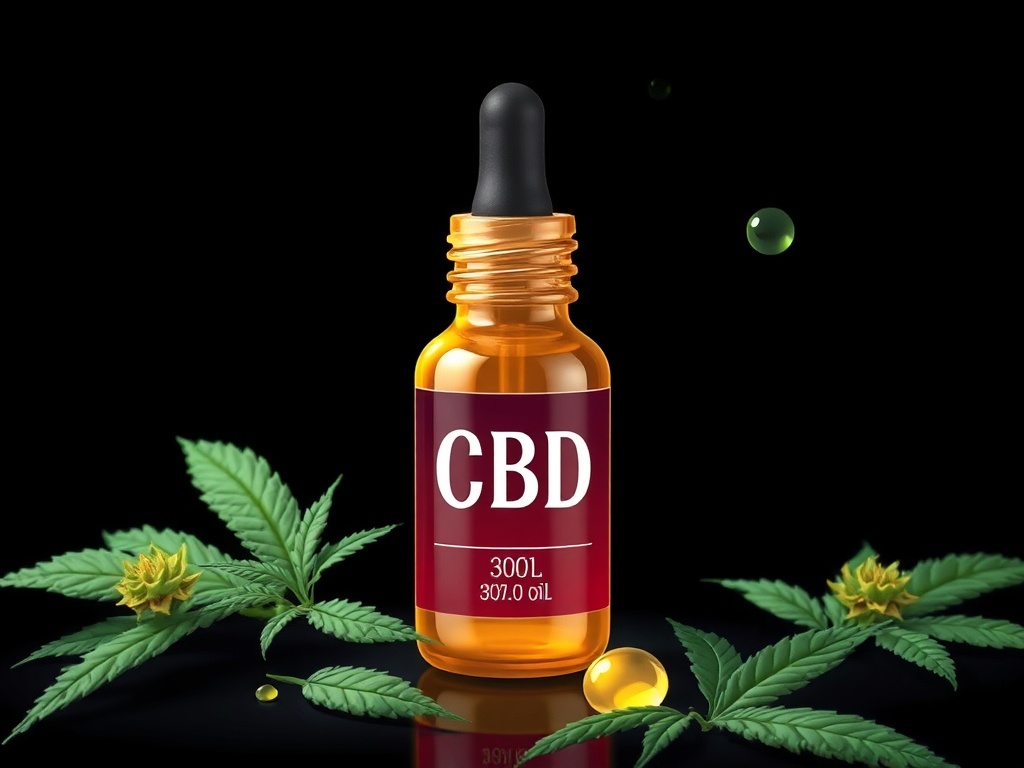
CBD oil usually combines a concentrated extract with a carrier oil such as MCT oil or hemp seed oil. Unlike THC, CBD does not produce a “high,” and many products are formulated to minimize or exclude THC entirely.
Potential benefits and evidence
Research and user reports suggest CBD may support relaxation, help with occasional sleeplessness, and reduce discomfort when applied topically. Evidence varies by condition and product type: oral and sublingual products may have systemic effects, while topicals are commonly used for targeted relief. Clinical evidence is strongest for a few specific medical uses, while everyday wellness claims often rely on preliminary studies and anecdotal reports.
Choosing a quality product
– Look for third-party lab reports (Certificates of Analysis). These verify cannabinoid content and test for contaminants like pesticides, heavy metals, and residual solvents.
– Prefer CO2 or ethanol extraction methods for cleaner extracts.
– Review the cannabinoid profile: full-spectrum (contains a range of cannabinoids and terpenes), broad-spectrum (THC removed but retains other compounds), or CBD isolate (pure CBD). Each type has different effects and legal considerations.
– Check ingredient lists for carrier oil type and any added flavors or sweeteners.
– Pay attention to packaging and storage: dark glass droppers protect against light and oxidation.
How to use and what to expect
– Sublingual tinctures: Place drops under the tongue for faster absorption than edibles; effects often appear within 15–45 minutes.
– Edibles and capsules: Slower onset—typically one to two hours—but longer-lasting effects.
– Vaping: Fast onset and short duration, but consider lung health risks and product quality very carefully.
– Topicals: Lotions, balms, and patches can provide localized relief without systemic effects.
Dosing guidance
Start low and go slow. Beginners often begin with a small daily dose and increase gradually while tracking effects. Many people find a low daily dose effective, while others require more to achieve desired results.
Keep a consistent schedule and record the product strength (mg), amount used, and timing to fine-tune what works.
Safety and interactions
CBD is well tolerated by many people, but side effects can include dry mouth, drowsiness, changes in appetite, and gastrointestinal upset. CBD can interact with medications metabolized by liver enzymes (CYP450), including some blood thinners and seizure medications. Consult a healthcare professional before combining CBD with prescription medications.
Storage and shelf life
Store CBD oil in a cool, dark place away from heat and direct sunlight to preserve potency. Properly sealed products typically maintain potency for several months to a couple of years, depending on formulation.
Final tips for smart buying
– Verify the retailer’s transparency and return policy.
– Choose products with clear dosing instructions and batch-specific lab reports.
– Consider starting with a small, reputable brand that provides detailed product information.
With informed choices and cautious dosing, CBD oil can be a useful addition to a wellness routine.
Consult a healthcare professional for personalized advice, especially if you take other medications or have underlying health conditions.