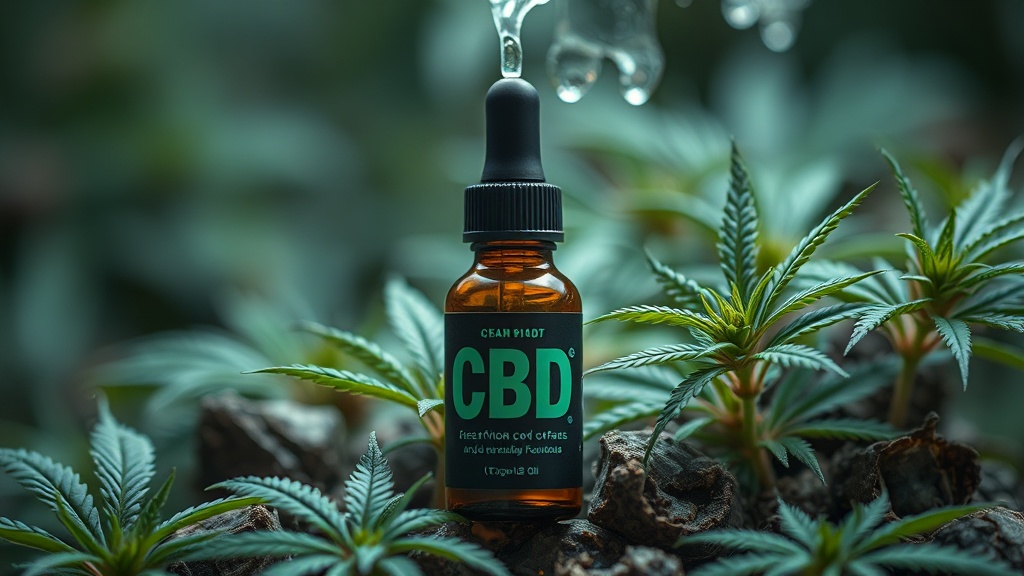
CBD oil continues to attract attention for its potential wellness benefits and diverse product options. Whether you’re new to cannabis-derived supplements or refining your routine, knowing how to choose and use CBD oil safely makes a big difference in results and satisfaction.
What CBD oil is and how it works
CBD (cannabidiol) is a non-intoxicating compound found in cannabis plants. CBD oil is made by extracting cannabidiol and blending it with a carrier oil such as MCT (fractionated coconut oil) or olive oil. CBD interacts with the body’s endocannabinoid system, which helps regulate mood, sleep, pain perception, and immune responses. While research shows promise for certain conditions, evidence varies by use and quality of studies.
Types of CBD oil
– Full-spectrum: Contains CBD plus trace amounts of THC and other cannabis compounds, including terpenes.
Some users prefer full-spectrum for the “entourage effect,” where multiple compounds may enhance each other’s effects.
– Broad-spectrum: Includes CBD and other compounds but is typically processed to remove THC.
– CBD isolate: Pure cannabidiol with no other cannabinoids or terpenes.
How products differ
Extraction method and hemp source affect quality. CO2 extraction is widely regarded for preserving compound integrity without residual solvents; ethanol extraction is another common method. Look for products made from organically grown hemp to reduce pesticide risk. Carrier oil choice affects absorption and mouthfeel; MCT oil is popular for bioavailability and neutral flavor.
Choosing a trustworthy product
– Third-party lab tests (Certificates of Analysis, COAs): Essential. COAs verify CBD potency and confirm low levels of THC and absence of contaminants like heavy metals and solvents.
– Clear labeling: Check CBD per serving and total CBD per bottle. Beware of vague terms like “hemp extract” without clear potency.
– Transparent sourcing: Brands should disclose where hemp is grown and extraction methods.
– Reputation and reviews: Independent customer feedback and responsive customer service are helpful signals.
Dosing and delivery methods
Start low and go slow: begin with a small dose and increase gradually until you find the effective amount. Tinctures (sublingual drops) offer flexible dosing and faster onset compared with capsules.
Capsules provide convenience and consistent dosing. Topicals target localized discomfort or skin issues. Vaping delivers rapid effects but carries additional safety considerations—use caution and avoid unregulated products.
Safety and interactions
CBD is generally well-tolerated but can cause side effects such as dry mouth, drowsiness, and appetite changes. CBD can interact with medications metabolized by liver enzymes (CYP450). Always consult a healthcare professional before starting CBD, especially if you take prescription medications, are pregnant, or are breastfeeding.
Legal and practical considerations
Legal status varies by location. In many places, hemp-derived CBD with low THC is permitted, but local regulations differ—confirm the rules where you live.
Store CBD oil in a cool, dark place to maintain potency and check expiration dates.
Final practical tips
Prioritize products with COAs, transparent sourcing, and clear dosing.
Keep expectations realistic: CBD may help some people with anxiety, sleep, or mild pain, but responses vary.
Consult a healthcare provider to tailor use to your individual health needs and to reduce the risk of interactions.