Understanding THC: Types, Uses, Safety, and What Consumers Should Know
THC (tetrahydrocannabinol) remains one of the most discussed cannabinoids because of its psychoactive effects and growing role in medical and recreational cannabis markets. Whether you’re curious about types of THC, safe use, or product choices, this guide covers essential points to help make informed decisions.
What “THC” really means
THC usually refers to delta-9-tetrahydrocannabinol, the main compound in cannabis that produces a high. Variants such as delta-8 and delta-10 have gained attention for milder psychoactive effects, while acidic precursors like THCa become psychoactive when heated.
Newer, more potent homologs occasionally appear in the marketplace; approach those with caution.
Common consumption methods
– Smoking and vaping: Rapid onset (minutes), easier dose control at first but respiratory risks exist with heavy use and some poorly regulated vape products.
– Edibles: Delayed onset (anywhere from 30 minutes to several hours) and longer duration; dosing is less predictable, so start with low amounts and wait before taking more.
– Tinctures and sublinguals: Faster onset than edibles and easier titration; useful for those avoiding smoke.
– Topicals: Typically non-intoxicating when formulated without transdermal enhancers; used for localized relief.
– Capsules and isolates: Precise dosing and useful for medical routines.
Medical uses and evidence
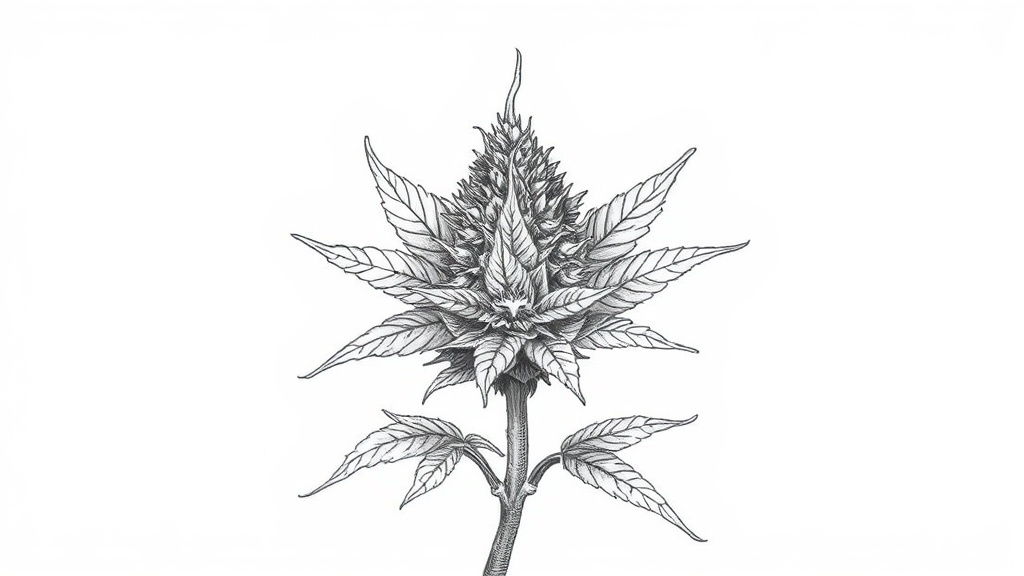
THC is used for symptom relief across conditions including chronic pain, nausea and appetite loss, muscle spasticity, and some sleep disorders.
Many patients report benefit, but efficacy varies by condition and product. Combining THC with CBD can alter effects and tolerability due to the so-called entourage effect, where multiple cannabinoids and terpenes interact.
Dosing and harm reduction
– Start low and go slow: Begin with the smallest effective dose and increase cautiously.
– Know onset and duration: Avoid re-dosing too quickly with edibles.
– Avoid mixing with alcohol or sedatives: Combined effects can be unpredictable and increase impairment.
– Be mindful of tolerance: Frequent high-dose use raises tolerance and may lead to dependence or withdrawal symptoms on cessation.
– Store securely: Keep products away from children and pets; many edibles resemble regular foods.
Safety, testing, and legal considerations
Impairment: THC impairs coordination, reaction time, and judgment — driving or operating machinery while impaired is dangerous and often illegal.
Workplace drug testing commonly screens for THC metabolites; even infrequent use can trigger a positive result. Medication interactions are possible because THC is metabolized by liver enzymes; check with a healthcare provider if you take prescription drugs.
Product selection and labeling
Choose products from reputable sources that provide third-party lab testing (COAs) showing potency and contaminant screening. Clear labeling for THC content, dosage per serving, and allergen information helps avoid accidental overconsumption.
Practical checklist before buying or trying THC
– Confirm local legal status and workplace policies.
– Look for COA testing and transparent labeling.
– Start with low-potency products if inexperienced.
– Plan for time away from tasks requiring full alertness.
– Consult a healthcare professional if you have medical conditions or take other medications.
THC carries both therapeutic potential and risks. Approaching products with awareness about potency, onset, interactions, and legal implications helps minimize harm and improve the user experience.