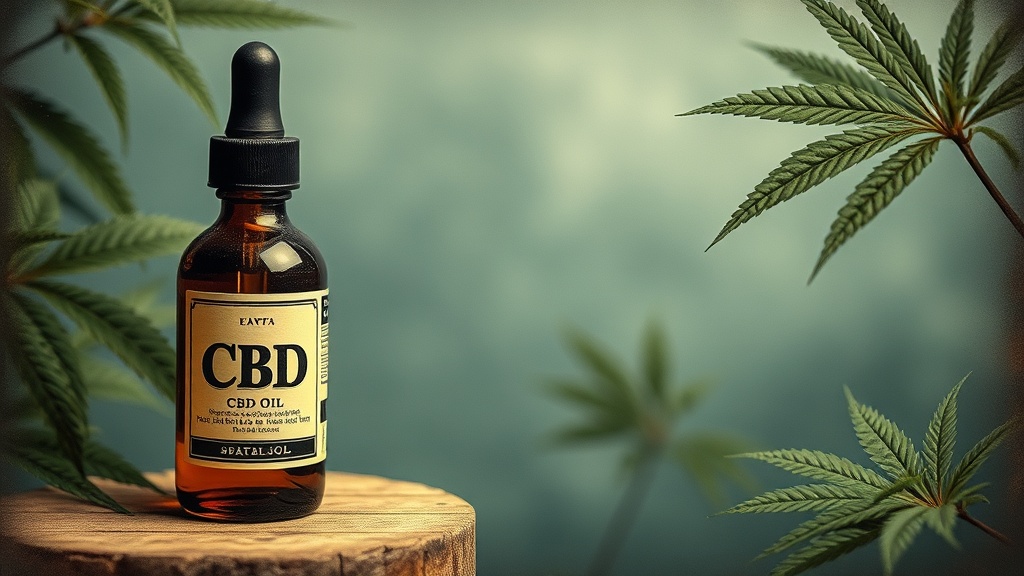
CBD oil continues to be a popular wellness option for people seeking natural alternatives for sleep, stress, pain relief, and overall balance. Understanding what’s in a bottle, how it works, and how to choose a safe product will help you get the benefits while minimizing risk.
What CBD oil is and how it works
CBD (cannabidiol) is a non-intoxicating compound found in hemp and cannabis plants. It interacts with the body’s endocannabinoid system, which helps regulate mood, sleep, appetite, and inflammation. Unlike THC, CBD does not produce a “high,” but it can influence physiological systems and may produce calming or pain-modulating effects for some people.
Types of CBD oil
– Full-spectrum: contains CBD plus other cannabinoids, terpenes, and trace THC.
Often marketed for the “entourage effect,” where multiple plant compounds may work together. Full-spectrum products can show up on drug tests because of trace THC.
– Broad-spectrum: includes CBD and other cannabinoids/terpenes but is processed to remove THC.
– CBD isolate: pure CBD with no other cannabinoids or terpenes.
Extraction and quality matters
Look for CO2 extraction or high-quality ethanol extraction; these methods minimize residual solvents and preserve plant compounds. Reputable brands provide third-party lab reports (Certificates of Analysis, COAs) showing cannabinoid potency, absence of pesticides, heavy metals, residual solvents, and microbial contaminants.
Check the COA matches the product batch and lists cannabinoids by mg per serving.
Choosing the right product and dose
Start low and go slow. Many people begin with a small dose (for example, a few milligrams) and increase gradually until they notice the desired effect.
Pay attention to concentration: tinctures list total mg of CBD per bottle—divide that by volume to calculate mg per dropper. Different delivery methods change onset and duration:
– Sublingual tinctures: faster onset than edibles; some bypass first-pass metabolism.
– Capsules and edibles: slower onset, longer duration.
– Vaping/inhalation: fastest onset but carries respiratory risks.
– Topicals: act locally for skin or joint concerns with minimal systemic absorption.
Safety, interactions, and side effects
CBD is generally well tolerated but can cause dry mouth, drowsiness, gastrointestinal upset, or changes in appetite for some people.
It can interact with certain prescription medications by affecting liver enzymes (cytochrome P450), which may change how drugs are metabolized—this is especially important for blood thinners and some anticonvulsants. Avoid CBD during pregnancy or breastfeeding unless advised by a healthcare professional. If you take prescription medications or have liver issues, consult a clinician before using CBD.
Legal and testing considerations
Legal status and THC limits vary by jurisdiction. Even products labeled “THC-free” or “broad-spectrum” can occasionally contain trace THC due to manufacturing variability, which may trigger workplace drug testing. Verify local laws and employer policies when using CBD.
Practical tips for buying and storing
– Verify third-party lab testing and readable COAs.
– Prefer products with clear dosing information and transparent sourcing (hemp origin, extraction method).
– Store CBD oil in a cool, dark place to preserve potency; some people refrigerate to extend shelf life.
– Avoid products with long ingredient lists of additives; simple carrier oils like MCT or hemp seed oil are common.
Research is ongoing, and evidence supports some uses while more study is needed for others. Careful product selection, conservative dosing, and consultation with a healthcare professional help ensure a safer, more effective CBD experience.