Marijuana remains a topic of high interest as conversations about legalization, medicine, and consumer safety continue. Whether you’re exploring cannabis for wellness, recreation, or curiosity, understanding cannabinoids, consumption methods, safety, and quality helps you make smarter choices.
What to know about cannabinoids and effects
– THC is the primary psychoactive compound that produces intoxication and euphoria.
Potency varies by product and strain.
– CBD is non-intoxicating and sought for potential calming, anti-inflammatory, and seizure-reducing effects. Many products blend THC and CBD for a balanced experience.
– Terpenes are aromatic compounds that influence flavor and may modulate effects; examples include myrcene (earthy), limonene (citrus), and linalool (floral).
Common consumption methods
– Smoking: Fast onset and easy dose control, but smoke inhalation carries respiratory risks.
– Vaping: Offers quick effects with less combustion byproducts; choose tested cartridges and avoid unregulated vape additives.
– Edibles: Stronger, longer-lasting effects with delayed onset. Accurate dosing and patience are essential.
– Tinctures & sublinguals: Moderate onset and adjustable dosing; useful for microdosing.
– Topicals: Non-intoxicating creams and balms for localized relief.
Each method has different onset, duration, and safety profiles—match method to your goals.
Dosing basics and harm reduction
– Start low and go slow: Especially for edibles, begin with a small dose and wait several hours before increasing.
– Microdosing (tiny, sub-perceptual doses) can provide subtle benefits without impairment for some users.
– Avoid mixing cannabis with alcohol or sedatives; interactions can amplify impairment and health risks.
– If you have a history of psychosis, bipolar disorder, or a family history of severe mental illness, consult a healthcare professional before use—high-THC products can increase risk in vulnerable individuals.
Product quality and testing
– Buy from licensed retailers where possible. Reliable products come with Certificates of Analysis (COAs) from third-party labs showing cannabinoid content and tests for pesticides, solvents, heavy metals, and microbes.
– Avoid products with vague labeling or unverified potency claims.
Transparent brands provide batch numbers and lab links.
Legal and practical considerations
– Cannabis laws vary widely by region. Some places permit medical use only, others allow adult-use cannabis, and some maintain prohibition.
Understand local laws before buying, transporting, or using cannabis.
– Driving under the influence of cannabis is illegal and unsafe. Even if you feel capable, impairment can reduce reaction time and judgment.
– Workplace policies may still enforce drug testing and disciplinary actions regardless of local legalization—know your employer’s rules.
Storage and safety
– Store cannabis securely out of reach of children and pets; edible packaging should be child-resistant.
– Keep products in a cool, dark place to preserve potency and prevent mold growth.
– Dispose of unused cannabis responsibly and according to local regulations.
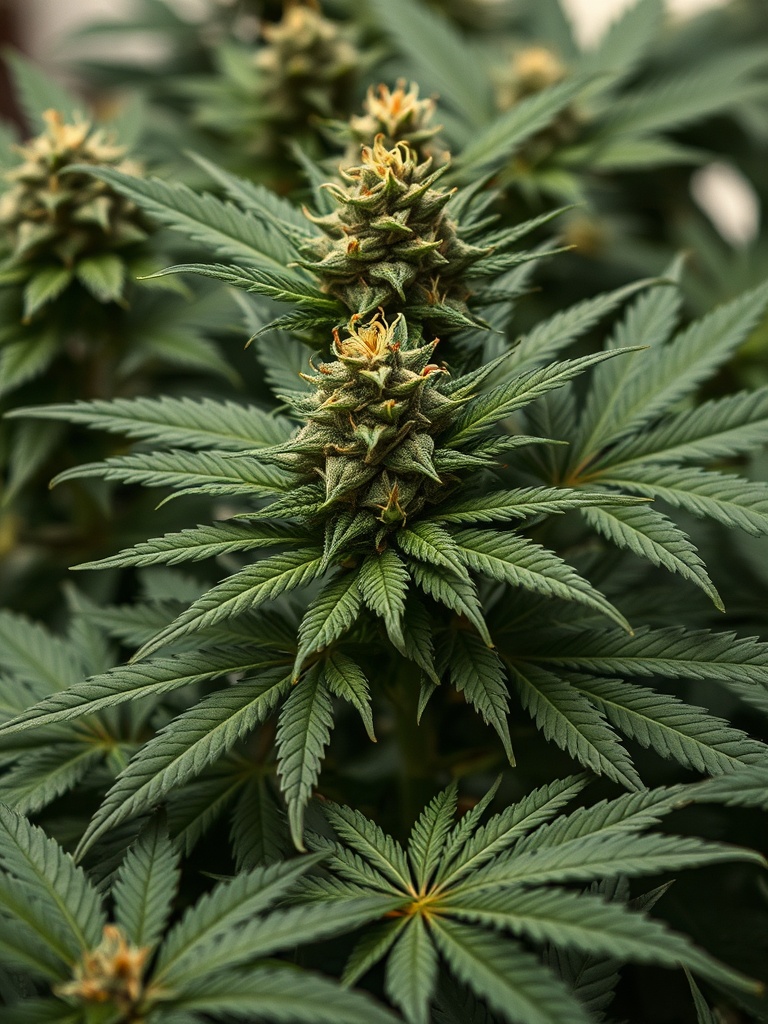
If you’re new to cannabis or changing your routine, seek guidance from knowledgeable dispensary staff or a healthcare provider familiar with cannabinoid therapies. Thoughtful choices—prioritizing quality, accurate dosing, and safety—help ensure a more predictable and beneficial experience.