CBD oil remains one of the most talked-about natural wellness products because of its wide availability, varied formats, and growing scientific interest.
Understanding how to choose a safe, effective product and how to use it responsibly helps you get the most benefit while avoiding common pitfalls.
What CBD oil is
CBD (cannabidiol) is a non-intoxicating compound found in hemp.
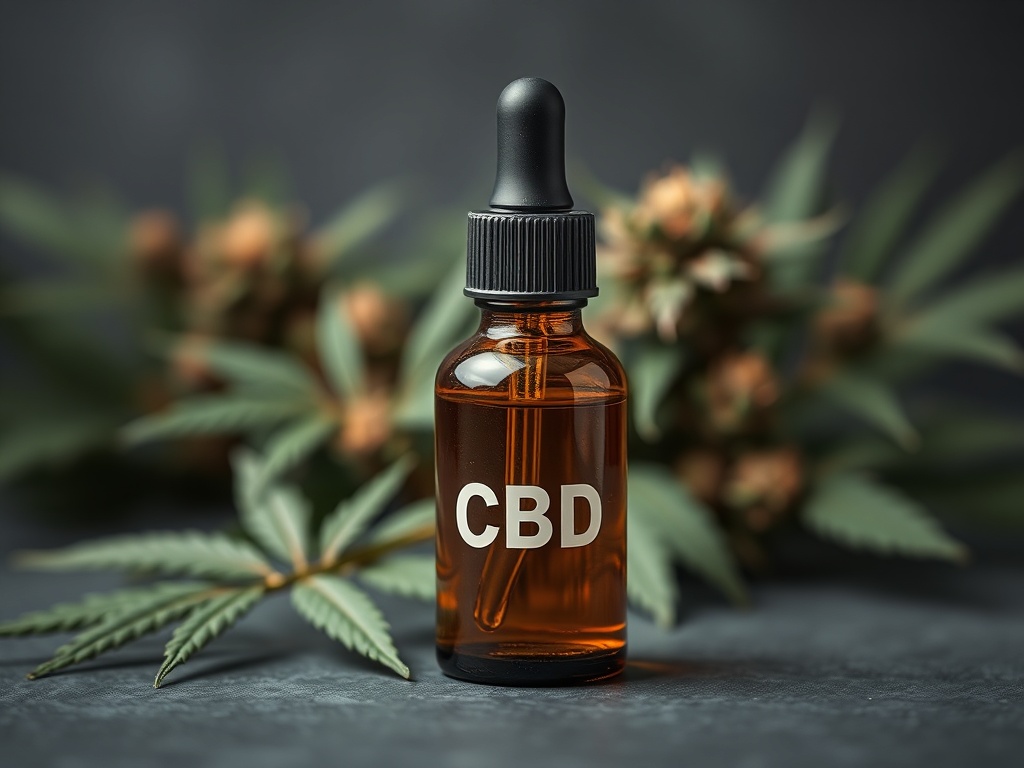
CBD oil typically blends a hemp-derived extract with a carrier oil such as MCT, hemp seed, or olive oil.
Unlike THC, CBD doesn’t produce a “high,” but it can affect the body’s endocannabinoid and other signaling systems, which is why people use it for stress, sleep, discomfort, and general wellness.
Types of CBD products
– Full-spectrum: contains CBD plus other hemp compounds, including trace levels of THC and terpenes.
Some users prefer this for the so-called entourage effect.
– Broad-spectrum: retains other hemp compounds but removes detectable THC.
– CBD isolate: pure CBD with no other cannabinoids or terpenes.
Formats include tinctures (sublingual oils), capsules, gummies, topicals, and vape products. Each has different onset times and bioavailability—sublingual drops act faster than edibles, while topicals target local areas.
Safety, quality, and testing
Quality varies widely across the market.
Look for:
– Third-party lab reports (COAs) that confirm CBD and cannabinoid content and test for pesticides, heavy metals, microbial contamination, and residual solvents.
– Clear extraction method details—CO2 extraction is widely regarded as a clean, reliable method.
– Transparent labeling that lists CBD per serving, batch numbers, and recommended dosing.
– Independent reviews and reputable retailers with clear return policies.
Avoid products that make extravagant medical claims. Regulations differ by jurisdiction, so manufacturers should avoid implying CBD cures or prevents disease.
Dosing and interactions
There’s no one-size-fits-all dose. A practical approach is to start with a low amount and increase gradually until you notice the desired effect. Keep a simple log of dose, time, and response.
Be cautious about drug interactions. CBD can affect liver enzymes (notably the cytochrome P450 system), which may change how some prescription medications work. If you take medication—especially blood thinners, anticonvulsants, or certain antidepressants—consult a knowledgeable healthcare professional before starting CBD.
Side effects and precautions
Common side effects are generally mild and may include drowsiness, dry mouth, digestive upset, or subtle changes in appetite and mood.
Avoid CBD during pregnancy and breastfeeding unless advised otherwise by a clinician. If you experience unusual symptoms, stop use and seek medical advice.
Storage and best practices
Store CBD oil in a cool, dark place to preserve potency—heat, light, and air will degrade cannabinoids and terpenes. Use measuring droppers or pre-dosed products to maintain consistent intake.
Choosing a product
Prioritize transparency: reputable brands publish batch-specific lab results, describe their extraction methods, and offer clear dosing guidance. Consider your goals and preferred format—sublingual for faster relief, edibles for convenience, topicals for localized effects.
Final thoughts
CBD oil can be a useful tool in a wellness toolkit when selected carefully and used responsibly.
Keep expectations realistic, verify product quality through third-party testing, and discuss CBD with your healthcare provider if you take prescription medications or have underlying health concerns.