THC — the active ingredient most people associate with cannabis — is central to discussions about recreation, medicine, safety, and regulation.
Understanding what THC does, how it’s used, and how to reduce risks helps people make informed choices.
What THC is and how it works
THC (tetrahydrocannabinol) binds to cannabinoid receptors in the brain and body, producing psychoactive effects like euphoria, altered perception, and relaxation. Several THC variants exist, including delta-9 (the most common), delta-8, and THCa (the non-intoxicating precursor found in raw plant material). THC’s effects stem from its interaction with the endocannabinoid system, which influences mood, appetite, pain perception, and more.
Methods of consumption and potency
Common delivery methods include smoking or vaping flower, dabbing concentrates, edible gummies or baked goods, tinctures, and topicals.
Each route changes onset, intensity, and duration. Inhalation produces near-immediate effects that peak quickly and taper within hours. Edibles have delayed onset and longer duration because THC is metabolized in the liver into a more potent metabolite, which can lead to stronger and longer-lasting effects.
Potency has trended upward, especially in concentrates and some commercial products. That makes dosing and lab testing more important than ever. Look for products with third-party lab results showing THC percentage, residual solvents, pesticides, and cannabinoid breakdown.
Dosing and microdosing
“Start low and go slow” is the safest dosing rule.
For edible beginners, very small doses can prevent uncomfortable overconsumption; many people begin with a low milligram dose and increase gradually.
Microdosing — taking sub-perceptual amounts — is popular for those seeking mood, focus, or sleep benefits without strong intoxication. Individual response varies widely based on tolerance, body composition, and prior use.
Medical applications
THC is used medically for conditions such as chronic pain, nausea and appetite loss associated with medical treatments, and certain spasticity disorders.
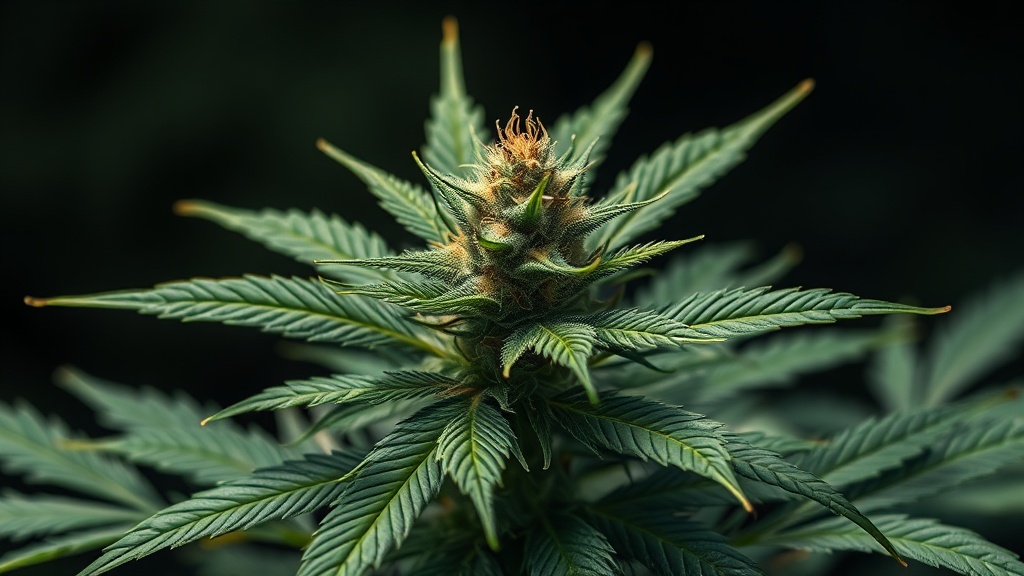
Some patients find symptom relief from whole-plant products that combine THC with CBD and other cannabinoids and terpenes. Always consult a healthcare provider before using THC for medical reasons, particularly when taking other prescriptions.
Safety considerations
THC can impair reaction time, judgment, and coordination — avoid driving or operating machinery while intoxicated. Mixing THC with alcohol or sedatives increases impairment and should be avoided.
People with personal or family histories of psychosis or certain mood disorders should use caution, as THC can exacerbate symptoms in vulnerable individuals.
THC use during pregnancy or breastfeeding is not recommended due to potential harm to fetal and infant development.
Drug testing and metabolism
THC is metabolized into compounds detectable on urine, blood, or hair tests. Detection windows vary: occasional users clear more quickly than frequent users, who can test positive for longer.
If workplace testing is a concern, treat THC as potentially detectable for an extended period.
Legal and quality considerations
Legal status varies by jurisdiction, with some places allowing adult-use or medical access while others maintain strict prohibition.
Even where legal, product quality varies. Prioritize reputable suppliers, look for transparent lab testing, and avoid unregulated or homemade concentrates that may contain contaminants.
Practical tips
– Buy lab-tested products from reputable sources.
– Start with a low dose and allow plenty of time before re-dosing, especially with edibles.
– Avoid combining THC with alcohol or sedatives.
– Keep THC products locked away from children and pets.
– Talk to a healthcare professional about potential drug interactions and health risks.
Knowing how THC works, how to use it safely, and when to seek professional advice helps people reduce harm while accessing potential benefits.