THC: What It Is, How It Works, and Safe Ways to Use It
Tetrahydrocannabinol (THC) is the main psychoactive compound found in cannabis that produces the familiar “high.” It binds to cannabinoid receptors in the brain and body, influencing mood, perception, appetite, and pain.
Understanding how THC works, the different forms it takes, and how to use it safely helps people make informed choices whether they’re exploring cannabis for wellness, recreation, or symptom relief.
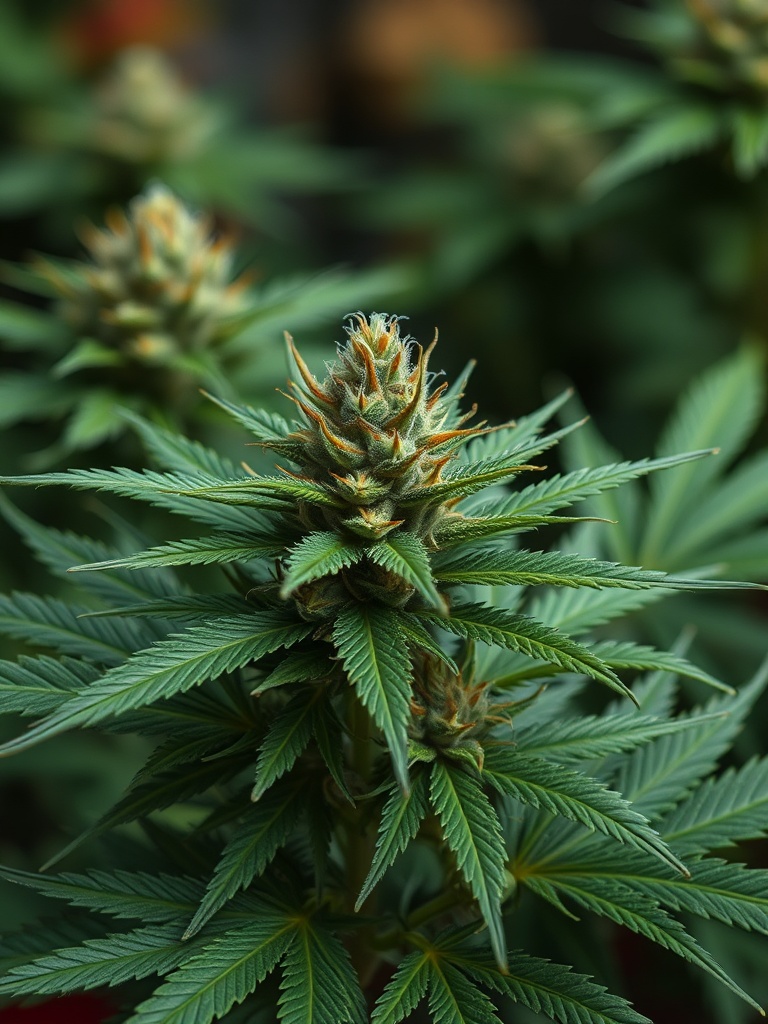
Forms of THC and how they differ
– Delta-9 THC: The classic form associated with intoxication. Present in flower, concentrates, and most edibles.
– Delta-8 THC: A chemically related variant that often produces milder effects and exists in a legal gray area in many places.
– THCa: A non-intoxicating precursor found in raw plant material that converts to THC when heated.
– Other analogues and derivatives: Newer products and formulations keep appearing; potency and effects can vary widely.
Common methods of consumption
– Smoking or vaping: Rapid onset (minutes) and easier dose control; effects peak and typically wear off within a few hours.
– Edibles: Slower onset (30 minutes to a few hours) and longer duration; effects can be stronger and harder to predict, so start low and wait before redosing.
– Tinctures and sublinguals: Midway between inhalation and edibles in onset and duration; offer discreet dosing.
– Topicals: Applied to the skin for localized relief without systemic intoxication.
– Concentrates and dabbing: Very high potency products that require experience and caution.
Effects and factors that influence them
THC’s effects depend on dose, administration method, individual tolerance, body composition, and interactions with other cannabinoids like CBD.
A small dose may produce relaxation and enhanced sensory perception; higher doses can lead to anxiety, paranoia, cognitive impairment, or nausea in some users.
Frequency of use builds tolerance and can affect how one responds over time.
Safety, testing, and harm reduction
– Start low, go slow: Especially with edibles—begin with a small dose and wait long enough to assess effects before consuming more.
– Prefer lab-tested products: Look for third-party testing for potency, contaminants, and accurate labeling.
– Avoid mixing with alcohol or sedatives: Combined effects can increase impairment and risk.
– Don’t drive or operate machinery while impaired: THC impairs reaction time and judgment.
– Store securely: Keep products away from children and pets in child-resistant packaging.
– Be aware of mental health risks: People with a personal or family history of psychosis should exercise caution and consult a clinician.
– Talk to your healthcare provider: THC can interact with medications metabolized by the liver’s CYP450 enzymes.
Legal and market realities
Regulation varies widely by location. Some jurisdictions restrict delta-9 but allow certain derivatives or hemp-based products; others have established regulated markets with quality controls and labeling standards.
Because rules and enforcement differ, verify local law and buy from reputable vendors.
Emerging trends and practical tips
Microdosing and low-dose products are growing in popularity for users seeking symptom relief or mood enhancement without heavy intoxication. Formulations that balance THC with CBD can mitigate some adverse effects. New pharmaceutical and consumer products aim for predictable dosing and improved safety profiles.
Whether you’re new to THC or experienced, staying informed about product types, dosing strategies, and safety best practices helps ensure a better experience.
When in doubt, consult a qualified healthcare professional and choose tested, clearly labeled products from trusted sources.