THC: What it is, how it works, and what to consider before using it
Tetrahydrocannabinol (THC) is the compound in cannabis responsible for the psychoactive effects commonly associated with marijuana.
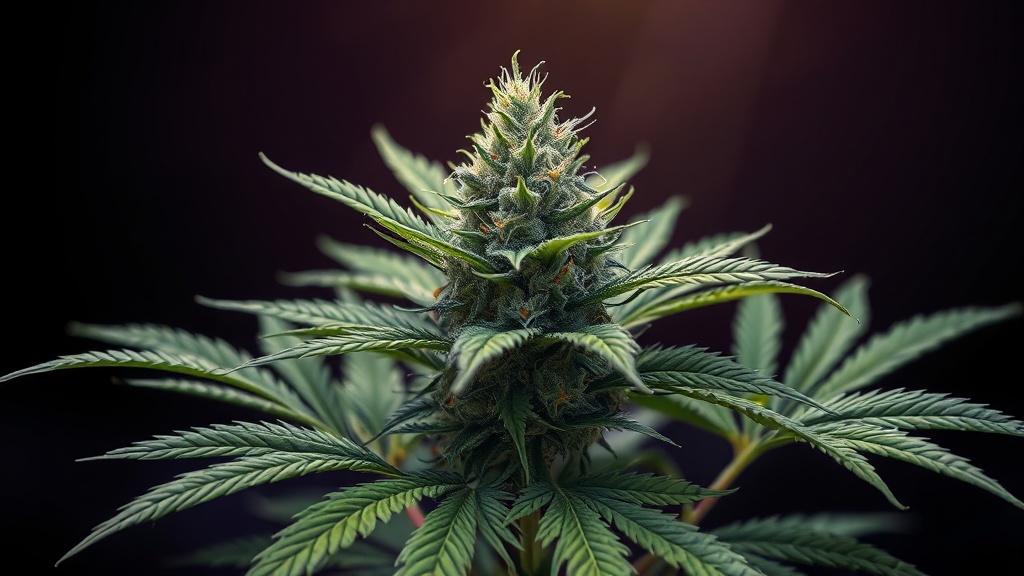
Understanding THC’s effects, delivery methods, safety considerations, and legal landscape helps people make informed decisions whether they’re exploring therapeutic options or recreational products.
How THC works
THC interacts with the body’s endocannabinoid system, binding primarily to CB1 receptors in the brain and central nervous system. This interaction influences mood, memory, appetite, pain perception, and coordination.
Individual responses vary widely depending on biology, tolerance, method of consumption, and product potency.
Common effects and risks
Short-term effects can include euphoria, relaxed sensations, altered perception of time, increased appetite, and impaired short-term memory. Unwanted effects may include anxiety, paranoia, dizziness, or rapid heart rate—risks that are more likely with higher doses or inexperienced users.
Long-term or heavy use can affect motivation, cognitive function, and mental health for some individuals, particularly adolescents and those with a predisposition to psychiatric conditions.
Medical and therapeutic uses
THC has documented benefits for certain symptoms, such as chronic pain, chemotherapy-induced nausea, and appetite loss in specific medical conditions. Many patients report meaningful symptom relief when THC is used under medical supervision or as part of a regulated product. Discussing options with a healthcare provider is important to balance benefits against potential risks and interactions with other medications.
Popular product types
– Flower: Traditional cannabis buds smoked or vaporized; onset is rapid and effects are easier to titrate.
– Edibles: Foods and beverages infused with THC; onset is delayed and effects last longer, making dosing more challenging.
– Concentrates: Highly potent extracts for inhalation; carry a higher risk of intense effects.
– Tinctures and sublinguals: Liquid extracts taken under the tongue for faster onset than edibles but slower than inhalation.
– Topicals: Creams and balms intended for localized relief; typically non-psychoactive but may contain low levels of THC.
Dosing and harm reduction
A harm-reduction approach helps reduce unwanted experiences. Start low and go slow—especially with edibles, where onset can take one to two hours. Avoid mixing THC with alcohol or other sedatives.
Use products from reputable sources that provide lab-tested cannabinoid profiles and contaminant screens. Never operate vehicles or heavy machinery while under the influence.
Workplace testing and legal considerations
THC legality and workplace policies differ by location and employer.
Some drug tests detect inactive THC metabolites long after impairment has passed, which can affect employment even where use is legal.
Be aware of local laws, travel restrictions, and employer rules before using THC-containing products.
Health interactions and contraindications
THC can interact with prescription medications and exacerbate certain conditions. People with a history of psychosis, heart conditions, or pregnancy should be particularly cautious.
Consult a healthcare professional before starting THC, especially when taking other drugs or managing chronic health issues.
Choosing safe products
Look for clear labeling of cannabinoid content (THC and CBD levels), third-party lab testing, and transparent sourcing.
Avoid products with unknown origins or unlabeled potency. Proper storage—away from children and pets—is essential for safety.
Making an informed decision
Whether exploring THC for symptom relief or recreation, staying informed about product types, dosing, and safety can reduce risks. Open conversations with healthcare providers, use of lab-tested products, and a cautious dosing strategy help ensure a safer experience for those who choose to use THC.