CBD oil remains one of the most talked-about natural supplements, praised for its potential to support wellness while also drawing questions about safety, legality, and quality.
Understanding how CBD works, how to choose products, and what to expect can help you make informed decisions.
What CBD is and how it works
CBD (cannabidiol) is a non-intoxicating compound found in hemp and cannabis plants.
It interacts with the body’s endocannabinoid system, which helps regulate sleep, pain, mood, and immune function. Unlike THC, CBD does not produce a psychoactive “high.” Research is ongoing, and while some conditions have stronger evidence than others, many people use CBD to support anxiety management, sleep, and chronic pain.
Evidence and regulatory notes
A prescription CBD medication has been approved for certain seizure disorders, showing the compound can have clinically significant effects in some contexts.
For most other uses, evidence is promising but still developing. Regulators in many regions restrict how CBD is marketed, especially for health claims, and oversight of over-the-counter products varies.
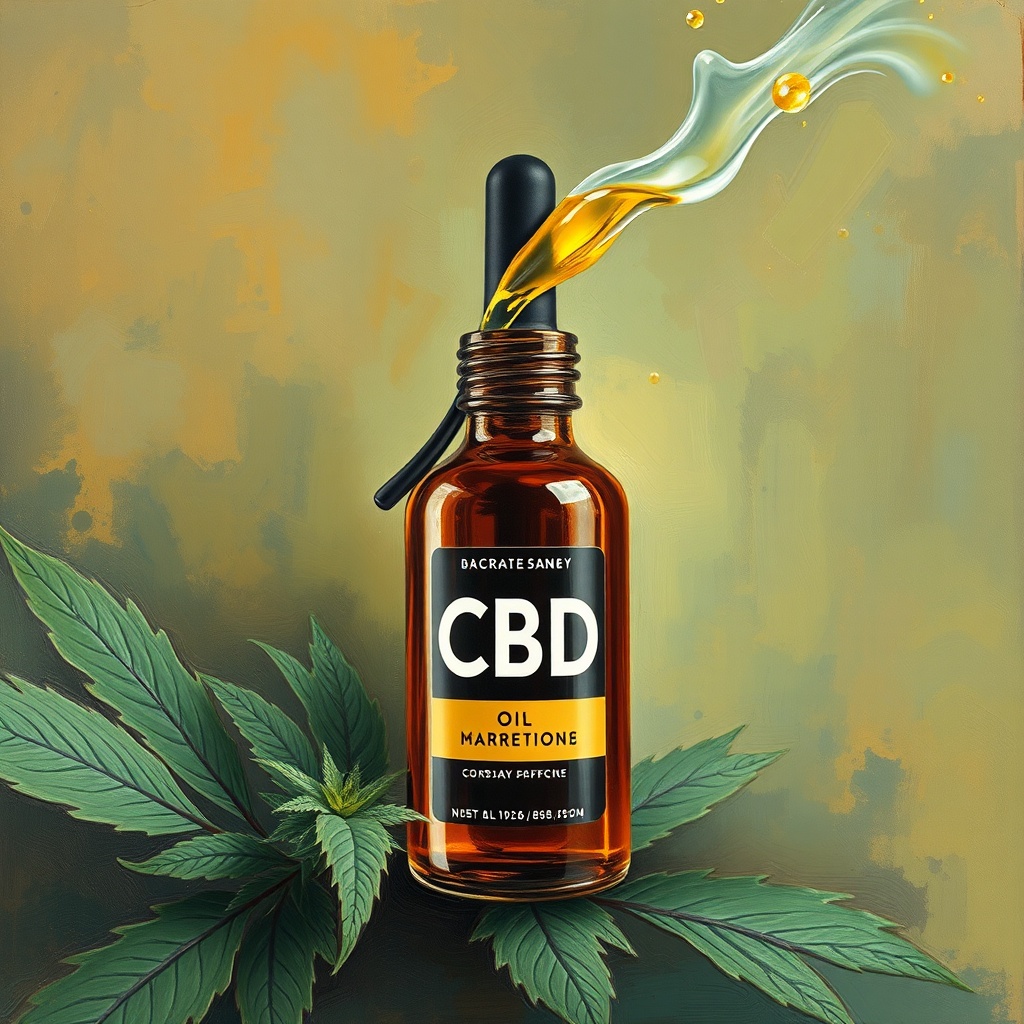
That makes product quality and transparent labeling critical.
Choosing a high-quality product
Look for these signs when evaluating CBD oil:
– Certificate of Analysis (COA): Third-party lab reports should verify cannabinoid potency and test for contaminants such as heavy metals, pesticides, and residual solvents.
– Clear labeling: The total CBD amount per bottle and per serving should be easy to find. Avoid vague terms like “hemp extract” without potency information.
– Extraction method: CO2 extraction is widely regarded as a clean, reliable method that preserves cannabinoids and terpenes.
– Source and cultivation: Hemp grown under good agricultural practices and with defined traceability reduces contamination risk.
– Spectrum type: Full-spectrum products contain a range of cannabinoids and terpenes and may include trace THC within legal limits; broad-spectrum removes THC while retaining other compounds; isolates contain only CBD. Some users prefer full-spectrum for the “entourage effect,” while others choose THC-free options for drug-testing concerns.
Forms and bioavailability
CBD oil is sold as tinctures, capsules, edibles, topicals, and vape products. Bioavailability and onset differ by method:
– Inhalation: Fastest onset and higher bioavailability, but vaping carries respiratory risks.
– Sublingual tinctures: Faster absorption than edibles; placing drops under the tongue allows uptake in 15–45 minutes.
– Edibles/capsules: Convenient and discreet; effects take longer (sometimes up to a couple of hours) but may last longer.
– Topicals: Targeted relief for localized aches or skin issues; limited systemic absorption.
Dosing and safety
“Start low and go slow” is a common, practical approach. Many people begin with a small dose (for example, a few milligrams) and increase gradually while monitoring effects.
Typical daily ranges for general wellness vary widely among individuals. Consult a healthcare provider for personalized guidance, especially if you take prescription medications—CBD can interact with enzymes (CYP450) that affect drug metabolism, and it may alter the effectiveness of blood thinners, certain anti-seizure meds, and other drugs.
Side effects and precautions
CBD is generally well tolerated but can cause drowsiness, dry mouth, gastrointestinal upset, and changes in appetite. Avoid CBD during pregnancy or breastfeeding due to limited safety data. Keep products out of reach of children and pets; specially formulated pet products are available, but dosing differs substantially from humans.
Final considerations
As the science evolves and regulations mature, prioritize transparency and quality when selecting CBD oil. Talk with a knowledgeable healthcare professional to discuss potential benefits, interactions, and appropriate dosing for your needs.
Thoughtful selection and cautious use will help you explore CBD’s potential while minimizing risk.