CBD oil remains one of the most talked-about natural supplements in wellness circles. Understanding what it does, how to choose a safe product, and how to use it responsibly will help you get the most benefit while minimizing risk.
What is CBD oil?
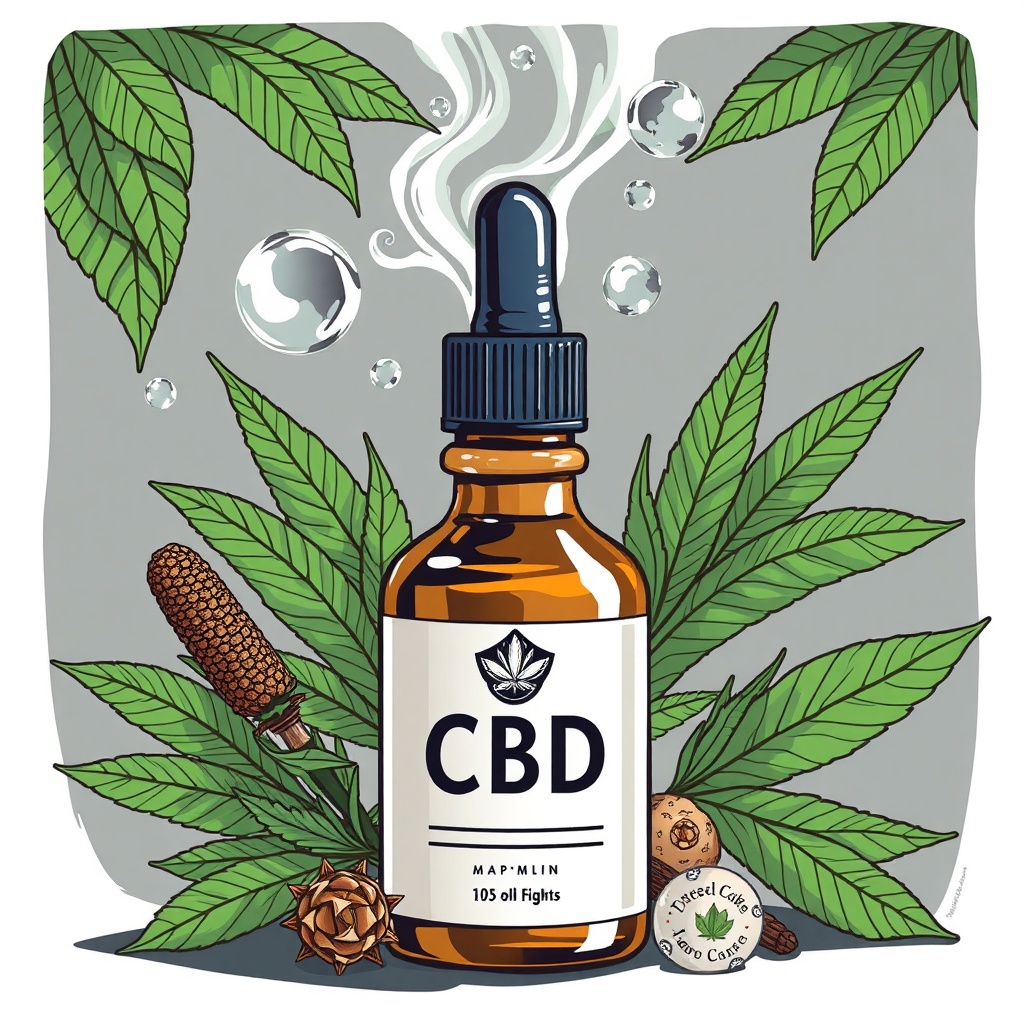
CBD (cannabidiol) is a non-intoxicating compound found in hemp and cannabis plants. CBD oil is typically made by extracting CBD from hemp and diluting it in a carrier oil such as MCT or hemp seed oil. Products vary by cannabinoid content: full-spectrum contains a range of cannabinoids and trace THC, broad-spectrum removes THC while retaining other compounds, and isolates are pure CBD.
Potential benefits and what the evidence says
Robust clinical evidence supports CBD as an approved treatment for certain seizure disorders via a pharmaceutical formulation. For other uses—anxiety, sleep, chronic pain, and inflammation—clinical results are mixed but promising. Some well-designed trials and real-world reports show symptom relief, while other studies find modest or no benefit. Research continues, and the strength of evidence varies by condition, dose, and product quality.
Safety, side effects, and drug interactions
CBD is generally well tolerated for many people. Common side effects include drowsiness, dry mouth, gastrointestinal upset, and changes in appetite. High doses have been associated with liver enzyme elevations in some cases, so monitoring is advisable if you use large amounts or take it long-term.
CBD can interact with medications metabolized by the cytochrome P450 enzyme system—the same pathway affected by grapefruit.
Blood thinners, certain anti-epileptics, and some psychiatric medications are examples where interactions may be clinically relevant.
If you’re on prescription drugs, consult a healthcare professional before starting CBD.
Choosing a high-quality CBD oil
The market is highly variable because regulatory oversight is still evolving. Look for these quality indicators:
– Third-party lab testing and a clear Certificate of Analysis (COA) that confirms cannabinoid potency and tests for pesticides, heavy metals, and residual solvents.
– Transparent labeling with CBD amount per serving and batch numbers.
– CO2 extraction is a preferred method for purity; avoid products that do not disclose extraction methods.
– Clear indication of origin—hemp grown with good agricultural practices is preferable.
– Avoid products with long ingredient lists of unknown additives; simple formulations are often safer.
Dosing and methods of use
Start low and go slow. Begin with a small dose and increase gradually until you notice the desired effect. Typical over-the-counter doses are lower than those used in clinical trials, so personal experimentation under guidance is common.
Common delivery methods:
– Tinctures (sublingual): fast onset, easy to control dose.
– Capsules and edibles: convenient, slower onset, longer duration.
– Topicals: used for localized relief; systemic absorption is usually minimal.
– Vaping: rapid onset but carries safety concerns, especially with unregulated products—exercise caution.
Storage and safety tips
Store CBD oil in a cool, dark place to preserve potency. Keep products out of reach of children and pets.
Avoid using CBD during pregnancy or breastfeeding unless advised by a healthcare professional.
Legality and labeling
Legal status varies by jurisdiction and product type.
Hemp-derived CBD commonly available has a legal THC threshold in many regions, but local laws and enforcement differ. Always check local regulations before purchasing or traveling with CBD products.
If you’re considering CBD oil for a specific health issue, review trusted sources, examine product COAs, and consult a healthcare professional to tailor dosing and avoid interactions.
With careful selection and informed use, CBD oil can be a useful option in a broader wellness plan.