CBD oil has moved from niche wellness shelves into mainstream conversation as a natural option many people explore for anxiety, pain, sleep, and overall balance. Extracted from hemp plants, cannabidiol (CBD) is non-intoxicating and does not produce the “high” associated with THC.
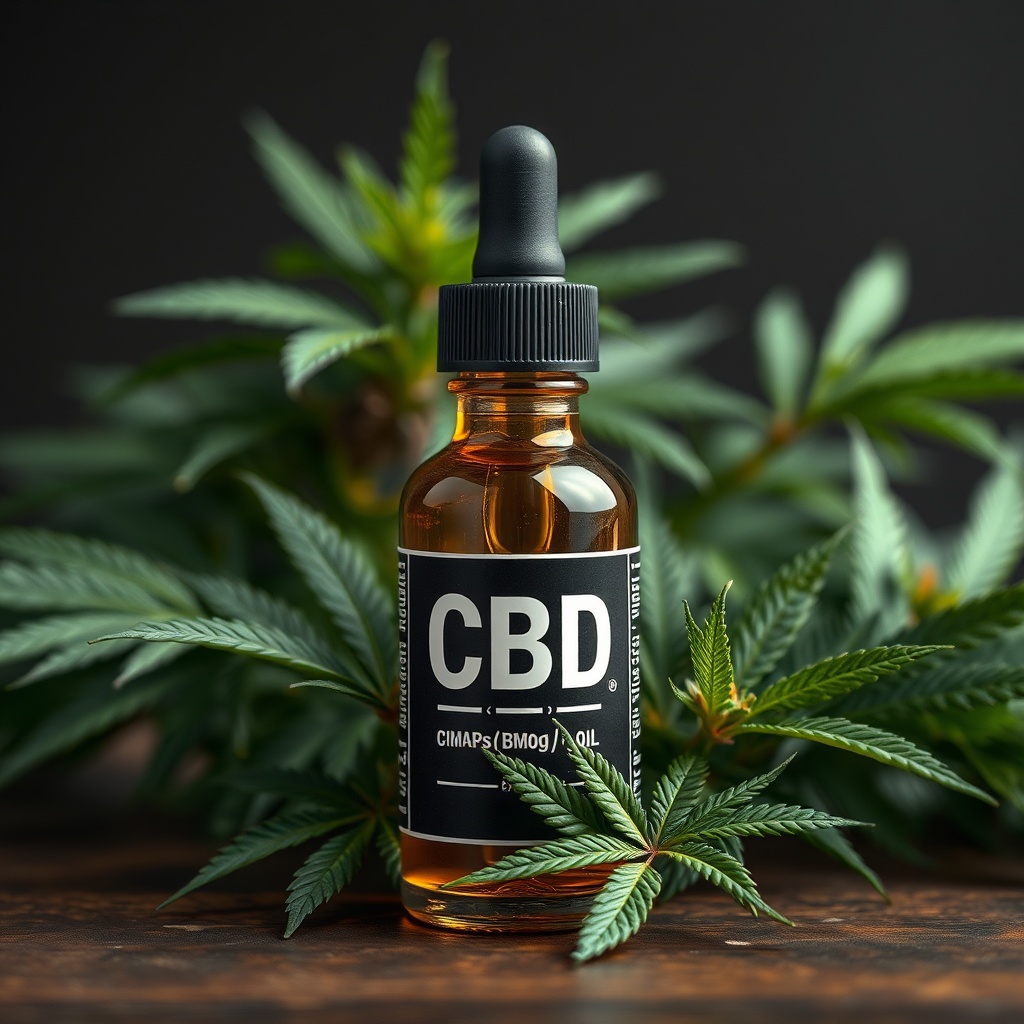
Interest continues to grow alongside evolving research and product innovation, but navigating quality, safety, and realistic expectations is essential.
What the evidence says
Research shows promise for certain uses, but results are mixed. Strong clinical evidence supports the use of prescription CBD for specific severe seizure disorders.
For everyday concerns like anxiety, chronic pain, and sleep disturbances, studies suggest benefit for some people but are not yet definitive. Individual response varies widely, and more high-quality trials are ongoing. Treat claims of “cures” or guaranteed outcomes with skepticism.
Choosing a high-quality product
The CBD market includes huge variation in quality. Use these criteria when selecting oil:
– Third-party lab testing: Look for Certificates of Analysis (COAs) that confirm CBD and THC levels and test for pesticides, heavy metals, and residual solvents.
– Extraction method: CO2 extraction is considered clean and efficient; ethanol extraction is common but quality depends on processing. Avoid products that don’t disclose methods.
– Spectrum type: Full-spectrum contains CBD plus minor cannabinoids and trace THC, which may enhance effects for some users.
Broad-spectrum removes THC while retaining other compounds. Isolate is pure CBD with no other cannabinoids.
– Ingredient transparency: Check carrier oil (MCT, hemp seed oil), added terpenes, flavorings, and absence of unnecessary additives.
– Clear labeling: Potency per serving, serving size, batch number, and manufacturer contact info should be visible.
Forms and how they’re used
CBD oil comes in tinctures, capsules, edibles, topicals, and vape products. Tinctures and sublingual oils offer relatively fast onset and easy dose adjustments. Capsules provide convenience and consistent dosing. Topicals may provide localized relief for sore muscles or skin issues. Vaping delivers rapid effects but carries safety concerns; avoid unregulated vape products and be cautious given reports of lung injury linked to contaminated cartridges.
Safety, interactions, and dosing
CBD is generally well tolerated but can cause side effects such as drowsiness, dry mouth, digestive upset, and changes in appetite.
It can interact with medications metabolized by liver enzymes (CYP450 system), including blood thinners and some seizure medications. Discuss use with a healthcare professional before combining CBD with prescription drugs.
There’s no universal dosing standard. Many people start low and increase gradually while tracking effects.
OTC products vary widely in concentration, and therapeutic doses used in studies can be much higher than typical retail products. Those pregnant, breastfeeding, or with serious medical conditions should avoid CBD unless supervised by a clinician.
Legal and marketing caution
Legal status and regulation vary by jurisdiction. In many places, hemp-derived CBD with very low THC is treated differently than cannabis with higher THC, but rules and enforcement differ between regions. Be wary of products making medical claims; reputable brands stick to neutral language and provide lab verification.
Practical next steps
If considering CBD oil, prioritize verified lab reports, clear labeling, and transparent sourcing. Start with a low dose, monitor effects, and consult a healthcare provider—particularly if taking other medications. Thoughtful selection and cautious use help maximize potential benefits while minimizing risks.