Cannabis: What to Know About Uses, Safety, and Smart Choices
Cannabis is evolving from a niche topic into mainstream conversation, with growing interest from medical patients, recreational users, entrepreneurs, and health-conscious consumers.
Understanding what’s actually in a product, how to use it safely, and how to choose quality offerings helps you get consistent, beneficial results.
Understanding cannabinoids and terpenes
Cannabis contains dozens of cannabinoids, the most well-known being THC (psychoactive) and CBD (non-intoxicating).
Other cannabinoids like CBG and CBC are gaining attention for their unique effects. Terpenes—aromatic compounds also found in many plants—shape the scent, flavor, and subtle psychoactive profile of each cultivar.
The interaction between cannabinoids and terpenes, often called the entourage effect, may influence therapeutic outcomes and overall experience.
Consumption methods and safety
– Smoking and vaping: Inhalation delivers effects quickly, ideal for acute symptom relief. Choose lab-tested products and avoid informal or unknown sources. For vaping, use devices and cartridges from reputable manufacturers to reduce risk of contaminants.
– Edibles and beverages: Onset is slower and effects last longer.
Start low and wait at least 90 minutes before increasing dose to avoid overconsumption.
– Tinctures and sublinguals: Offer more controlled dosing than edibles with faster onset than oral ingestion. Absorption under the tongue can provide predictable effects.
– Topicals: Useful for localized relief without systemic intoxication. Look for clear labeling of cannabinoid content.
Dosing basics
Individual response varies by metabolism, tolerance, and method of use. Beginners benefit from microdosing—very small amounts of THC, or relying on CBD-dominant products—to find a comfortable baseline.
Keep a log of product, dose, onset time, and effects to refine dosing.
When using THC for therapeutic purposes, pairing with CBD can sometimes soften psychoactive intensity.
Reading labels and choosing quality
Lab testing is essential. Look for certificates of analysis (COAs) that confirm cannabinoid potency, terpene content, and absence of pesticides, heavy metals, and residual solvents. Transparent brands display COAs and have clear sourcing information: who grew the plant, whether it was indoor, greenhouse, or outdoor, and whether sustainable practices were used.
Legal landscape and consumer access
Legal restrictions vary widely by location.
Access may be regulated for medical use, recreational use, or tightly controlled. Purchasing through licensed retailers provides consumer protections, regulated testing, and clearer labeling compared with informal markets. Stay informed about local laws and follow regulations for possession, transport, and public use.
Storage and waste reduction
Proper storage preserves potency and flavor: keep products in cool, dark, airtight containers to minimize terpene loss and THC degradation. Consider reusable packaging or brands that prioritize minimal, recyclable materials. Responsible disposal of unused cannabis and associated paraphernalia helps prevent accidental ingestion and environmental harm.
Emerging trends to watch
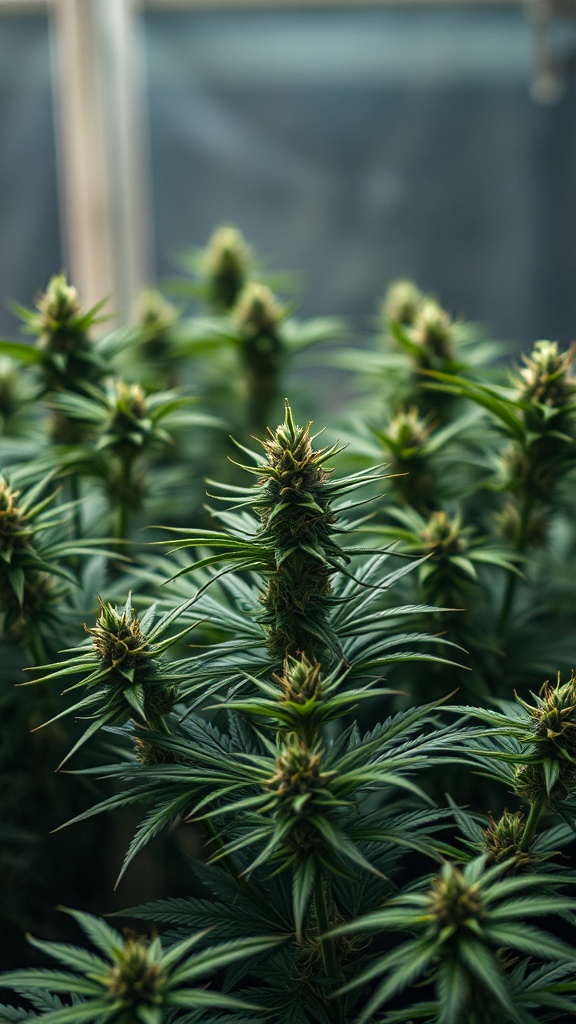
Interest in minor cannabinoids and tailored formulations—like targeted sleep, anxiety, or inflammation products—is growing. Expect continued innovation in product formats, terpene-focused blends, and clearer dosing systems that make consumption more predictable.
Practical tips for smart use
– Buy from licensed retailers and verify COAs.
– Start low, go slow—especially with edibles.
– Keep products clearly labeled and out of reach of children and pets.
– Consult a healthcare professional when using cannabis to manage health conditions or when combining with other medications.
Whether exploring cannabis for wellness, recreation, or symptom management, informed choices and attention to quality will lead to safer, more effective experiences.