What is CBD?
CBD (cannabidiol) is a non-intoxicating compound found in the cannabis plant. Unlike THC, it doesn’t produce a “high.” CBD interacts with the body’s endocannabinoid system, a network involved in regulating mood, sleep, appetite, immune response, and pain perception. That interaction helps explain why CBD is widely used for a variety of wellness goals.
Common uses and what the evidence says
– Stress and anxiety: Many users reach for CBD to manage everyday stress and situational anxiety.
Clinical and observational studies show promising effects for some people, though responses vary and higher-quality trials are still developing.
– Sleep support: CBD may help improve sleep quality indirectly by easing factors that interfere with rest, such as anxiety or pain. People often report better sleep after adjusting dose and timing.
– Pain and inflammation: Topical and oral CBD are popular for mild chronic pain and localized inflammation. Some evidence suggests benefits, particularly when combined with other treatments, but results are mixed across conditions.
– Skin care: CBD’s anti-inflammatory properties have made it a trending ingredient in serums and balms for acne-prone or irritated skin. Results depend on formulation and concentration.
Product types and how to choose
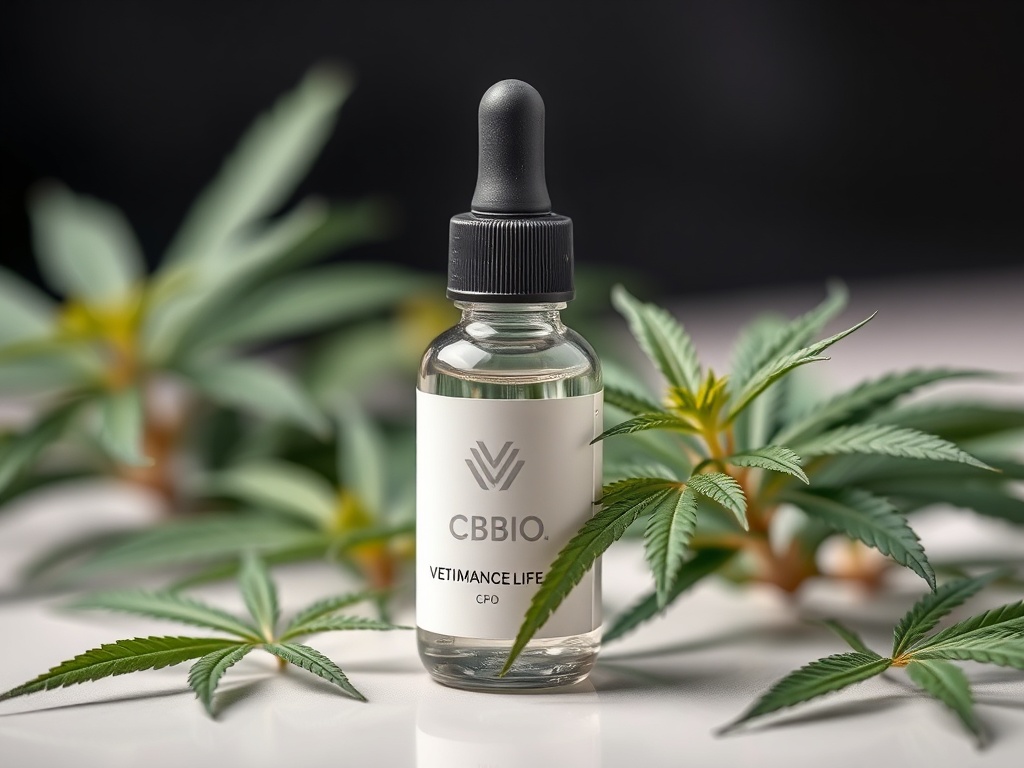
– Tinctures/oils: Sublingual drops deliver relatively fast systemic effects and allow flexible dosing.
– Capsules and edibles: Offer consistent dosing and convenience but take longer to take effect.
– Topicals: Creams, salves, and patches provide targeted relief without systemic effects for most users.
– Vapes: Produce rapid effects but carry respiratory risks and greater regulatory uncertainty; exercise caution.
Choosing a quality product
– Look for third-party Certificates of Analysis (COA) that verify cannabinoid content and screen for contaminants.
– Favor CO2 extraction methods when possible; they conserve cannabinoids without harsh solvents.
– Decide between full-spectrum (contains trace THC and other plant compounds), broad-spectrum (other compounds but no detectable THC), and isolate (pure CBD). Full- and broad-spectrum products benefit from the “entourage effect,” but isolate avoids THC entirely.
– Check source: reputable brands list hemp origin and growing practices. Organic or pesticide-free farming is preferable.
– Verify concentration and serving size so you can calculate mg per dose.
Safety, dosing, and interactions
– Start low and go slow: many people begin with a small dose and increase gradually until they find effective relief.
– Common side effects include dry mouth, drowsiness, and digestive upset. If these appear, lower the dose or change timing.
– CBD can affect liver enzymes (CYP450 family), potentially interacting with prescription drugs. Discuss CBD with a healthcare professional, especially if taking blood thinners, anticonvulsants, or other critical medications.
– Avoid CBD during pregnancy or breastfeeding due to limited safety data.
Legal and regulatory notes
Regulation varies by jurisdiction. Many places allow hemp-derived CBD with only trace amounts of THC, while other regulations restrict sale or marketing claims. Because oversight remains uneven, product quality can differ widely—hence the importance of COAs and reputable sourcing.
Practical tips
– Keep a usage log: note dose, timing, product, and effects to find the right routine.
– Store products in a cool, dark place to preserve potency.
– Prioritize transparency: brands that publish lab reports, batch numbers, and ingredient lists are typically more trustworthy.
CBD can be a helpful part of a wellness routine when used thoughtfully. Careful product selection, conservative dosing, and professional guidance help maximize benefits while minimizing risks.